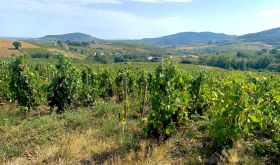
Something feels a bit different at wineries than it used to. Wine tourism is at large, especially here in Melbourne where the Mornington Peninsula and Yarra Valley are only an hour away. The city folk and insta-stars want a piece of the beauty and often luxury that comes with the territory. The vines are fenced off to manage phylloxera risk, but let’s be honest, it’s also to keep out the stilettoes and selfie sticks.
Is it just me, or does something feel a bit lost in wine, as tourism and commercial interest takes over? When I say I’m going to a winery, people are more likely to think of a wide brimmed hat, a fancy dress and 5-star hotels than what will be in the glass.
And the vines? When they reach a certain age and yield less grapes, they’re ripped from the earth and replaced with whatever cool variety is trending with consumers.
What’s missing? Perhaps, (for lack of a better word) the character.
But there was something different about my trip to Nagambie.
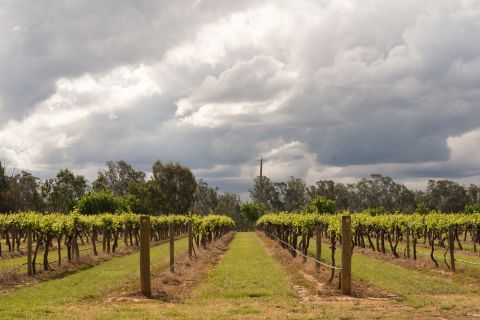
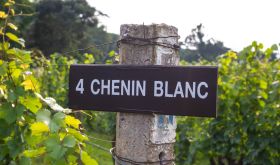
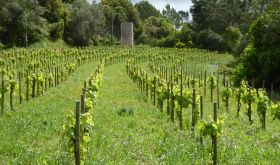
When I drove out to Tahbilk to see their vines which date back to 1860, I at least imagined a fence around them. But no, there they were as I drove in, with a quaint signpost. Without it, you could easily miss the thick, gnarly trunks with perfect imperfection, and just drive straight past.
There’s something I’ve noticed about winemakers and viticulturalists when they talk about old vines. They get less technical, and instead of geeking out on clones and soil, their faces soften, and they talk about them like they’re a fond grandfather. I can see why.
They’re stubborn old things, these thick 160-year-old trunks grow in all kinds of directions, a stark difference to the picture-perfect new vines we see in pretty straight rows today. There’s even signs of people having tried to control them in the past, it’s almost comical to see one vine with a metal steak which has been completely defeated by the horizontal trunk, who, is going to grow in which ever direction it likes, thank you very much.

Tahbilk’s viticulturalist Matt Aitken laughs when I point this out. “Yep, you can’t control them. They’re gonna do whatever they like.”
Aitken is one of the most down to earth people I’ve ever met. He speaks of commercial realities, popular varieties and soil types as we drive through the vineyards. However, when I ask for a closer look at the 160-year-old shiraz vines, he gets a little grin as we jump out of the car. He starts showing me individual vines; how they’ve grown, and how he prunes each differently: “this guy, he can handle so many shoots – I’ve been questioned about this it before, but I know him, he’s got this” he turns to another one “not him. I don’t make him work too hard.”
It’s tempting to think of these vines like old veterans, they were planted before electricity or cars were even thought of in Australia and have lived through both world wars.
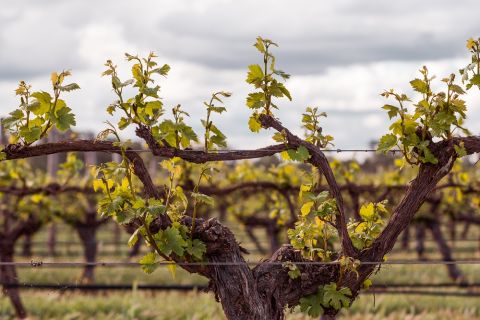
When the pest phylloxera hit Australia in the late 1800s, this single vineyard escaped the destruction which devastated the rest of the estate. The deep-rooted vines took advantage of the fine, sandy soil which managed to keep them standing strong. These vines, of which only seven rows remain, are still ungrafted today.
Aitken says today, the biggest threat to these vines is human error. Indeed, in the 1930s, a lack of communication between owner and worker over which vines to remove resulted in the loss of the majority of these original plantings. Down the track, a worker would make the mistake of using machines on the vines, instead of hand harvesting. “Some of these oldies are just hanging in there,” Aitken said, “but they’re survivors, even when they look like they’re dying…” (I literally gasp as he breaks a chunk off the trunk, damaged from white ants) … “but look, they find a way to hold on,” he says, pointing at the small part of the trunk keeping the vine alive.
When I ask the winemakers about whether the age of the vines makes particularly astounding grapes, they say it’s “distinctive” but not necessarily too different. I push them on this, are they not particularly rich and full like most marketers would have me believe about old vine wines?
Nope, Winemaker Brendan Freeman assures me, they fit well into the Tahbilk style; structured and medium-bodied.
I’m almost frustrated at this point – “so why keep them there?” I ask.
“Because they’re a part of our history” Freeman says, “you can almost guarantee if a big company owned us, they wouldn’t still be here now – they take a lot of hands-on work and don’t produce viable tonnages.
So no, they’re not efficient in the scheme of things, but they’re a big part of us, and our family story.”
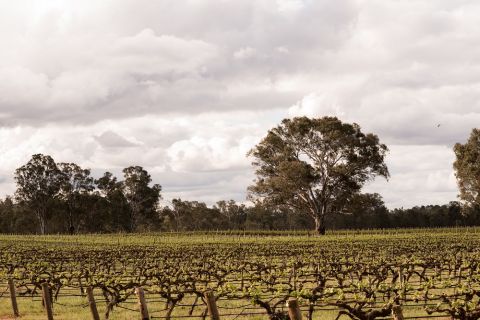
When I went to Tahbilk to find out about their old vines, I was expecting to write a story about how they lead to wines with depth, richness and some kind of ‘WOW factor’ that makes them unrivalled by their youthful counterparts.
Maybe what I took away was even better. The story about a family winery who kept old vines alive through generations despite their commercial inefficiencies. Who haven’t locked them away or created an expensive experience to see them, but share them, and respect them. There’s such authenticity in their love for wines and pride in their history.
If you’re looking for character, you’ll find it in the old vines at Tahbilk in Nagambie.
The photos are provided by Mel Gilchrist.