When a wine writer threatens to sue another wine writer for telling the truth, you know things are getting serious. For a number of years now I have been increasingly uncomfortable with the direction the Australian wine media is heading in. Conflicts of interest and commercial relationships between writers and wineries are not being disclosed. Advertorial is masquerading as editorial. And our readers – the people we’re meant to be writing for – are in the dark about it all.
I’m not the only one unhappy with this situation.
Winemakers often complain in private about the game they feel they have to play: sending samples in the hope of a high score and good review – then being asked to cough up extra cash if they want to use that review for promotional purposes. And whenever wine writers get together, talk often turns darkly to those few among our number who are – as Jamie Goode recently put it – muddying the water for the rest of us by taking money from wine producers.
But nobody ever wants to talk about this in public. The wine industry is afraid of offending the media and stemming the flow of crucial 90-plus scores and third-party endorsements; the wine media is afraid of offending the industry and stemming the flow of freebies and favours.
I recently organised a panel discussion to address this unhealthy culture of co-dependency at an industry talkfest in Melbourne called Wine Day Out (the discussion was recorded and broadcast by ABC Radio National).
As well as confessing my own sins during the discussion (I have taken money in the past to host a couple of winery dinners and contribute articles to winery newsletters – none of which I do any more), I also convinced some other wine writers to 'out' themselves in the spirit of full disclosure: Gourmet Traveller Wine magazine contributor Mike Bennie admitted to having written undisclosed advertorial in the past (again, something he no longer does), and Australian Financial Review wine columnist Philip Rich explained why he believes he doesn’t need to disclose his part-ownership of a wine shop and bar in his columns – although after I spoke to his editor in preparing for the discussion this may change.
I had also gathered a number of instances of other conflicts of interest and lack of transparency to share with the panel and the audience, including a specific example of another writer who does paid promotional work for wineries without disclosing it.
But, the evening before the discussion, this writer sent me an email threatening to take legal action if I aired any details of this writer's business in public.
So much for transparency.
By contrast, Hardie Grant Media, publisher of James Halliday Australian Wine Companion (and some of my books) were not so reticent, and agreed to participate in the discussion.
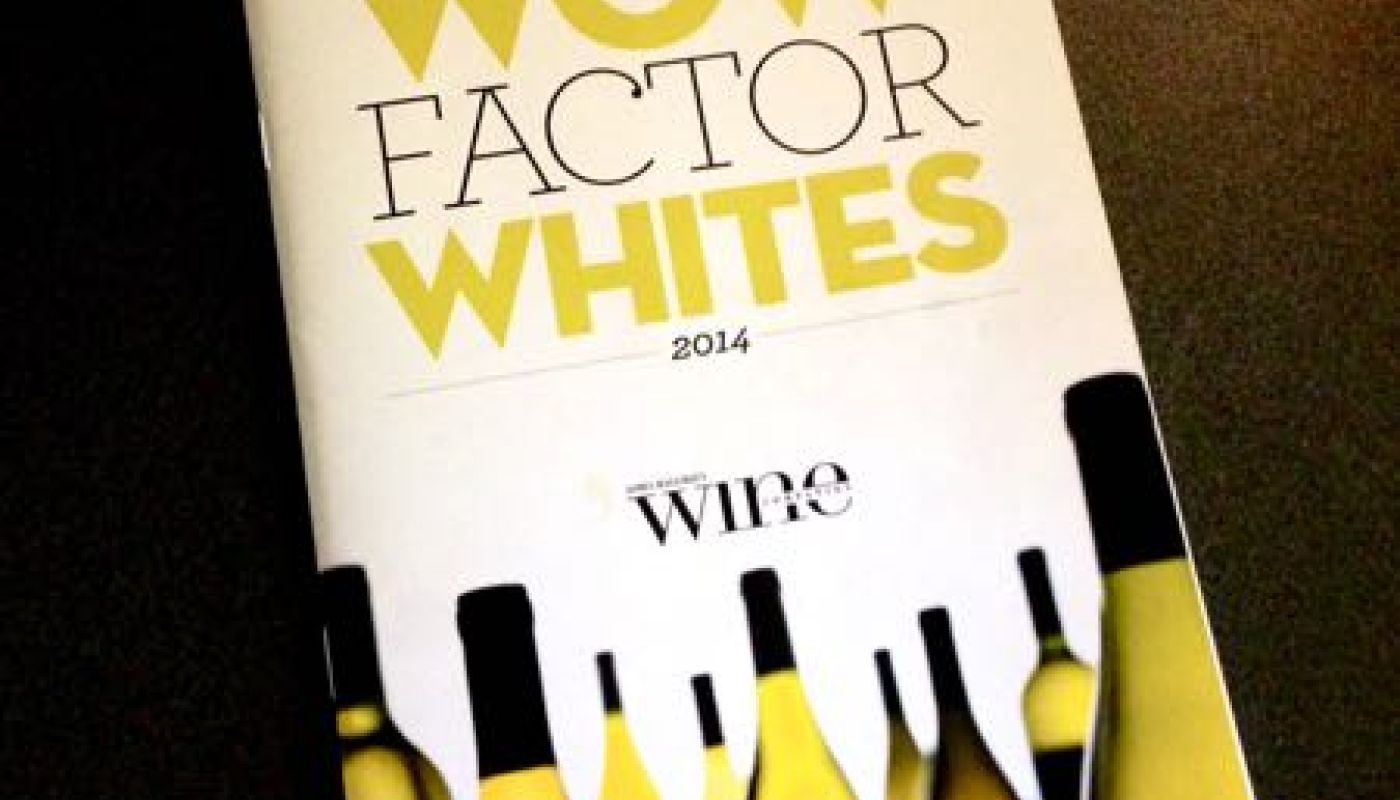
Wine Companion is a multi-channel media business – a website, an annual book, an app and a bi-monthly magazine – and Hardie Grant also regularly publish a themed supplement to the magazine – eg 'Wow Factor Whites' – featuring 70 full-page wine reviews from Halliday. Head of consumer publishing at Hardie Grant, Simon McKeown, freely admitted that this supplement is funded by wineries, with each paying around $1,000 to be included.
'James (Halliday) supplies the scores and reviews to us (from his database of tastings), and then we approach the winemakers to see if they want to support this particular promotion', he said.
The new media jargon for this practice is 'content integration'. In the old days it used to be called advertorial. Either way, nowhere in the supplement is there any indication that the content has been made possible directly by advertising dollars.
It’s not the only way that scores and reviews for Wine Companion are used to generate revenue for the publisher. If a winery wants to publish Halliday’s reviews on its own website or in its promotional material, for example, it is obliged to take out an annual membership of between $299 and $399: Simon McKeown describes this as a 'licence' to use Wine Companion intellectual property.
None of this is new and neither is it unique to Australia. Wine publications have been using scores and glowing reviews to attract advertisers for years; Wine Companion is not the only business here doing it. And there have always been conflicts of interest in wine writing.
What is changing, I believe, is the increased prevalence of these practices, and a resulting blurring of the boundaries between what is and what isn’t acceptable – to the point where what was once considered questionable is now considered normal. Hardie Grant’s Simon McKeown, for example, clearly saw nothing wrong with the lack of transparency surrounding the 'content integration' described above, nor with wineries' being obliged to pay for the privilege of reproducing reviews of their wines.
But another panel member from outside the world of the wine media or trade took a very different view. Dr Denis Muller is senior lecturer in media ethics at the University of Melbourne’s Centre for Advancing Journalism. As far as he was concerned, the practices raised in our discussion unequivocally constituted unethical behaviour. '(Wine writers) have to make disclosures – that’s just fundamental', he said. 'It’s not to do with the integrity of the individual, it’s a matter of principle.'
Importantly, there is a distinction, said Dr Muller, between news journalism and the expert opinion, commentary and embedded interests that characterise most wine ‘journalism’. 'We’re relying on these writers not for news, not for facts that the readers can assess for themselves', he said. 'We’re relying on them for their opinion. (And) where we’re relying on expert opinion or commentary, the contract – the duty if you like – for the journalist to disclose is heavier than it is for the news journalist.'
Denis Muller believes the wine media in Australia should develop a consensual code of ethics, particularly around conflict of interest issues.
'It would help people', he said. 'It doesn’t leave (writers) out in this kind of relativist jungle where what’s ethically "right" is what they think is okay on the day.'
I agree.