Volcanic Wine Awards | The Jancis Robinson Story | 🎁 25% off annual & gift memberships

A call to rescue Chile's finer Muscat

Wednesday 20 April 2016 • 3 min read
Image

Maximiliano Morales of Andes Wines reports that Chile may be about to lose the superior Muscat variety that has been grown for over 150 years in the Valparaiso region. 

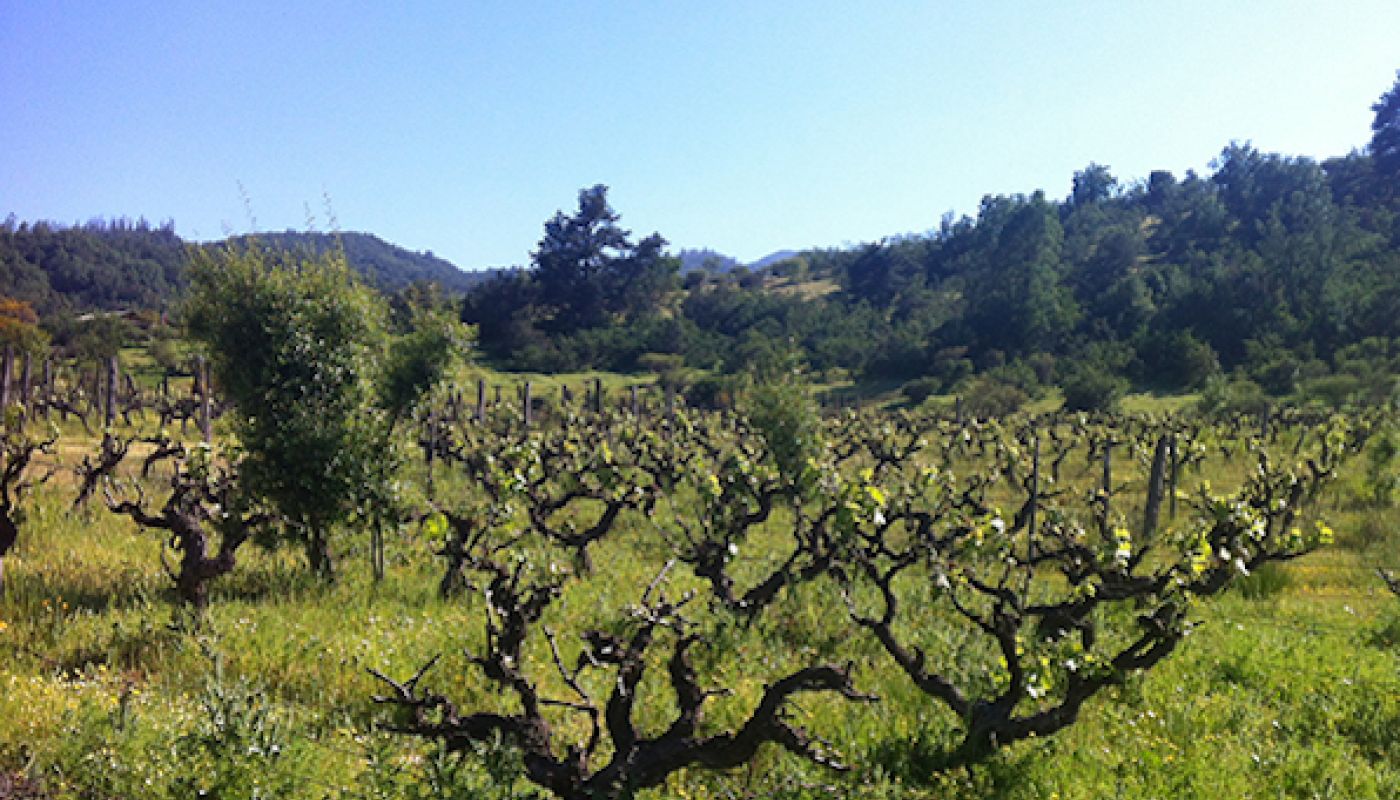
Although the region of Valparaiso is known internationally today for Sauvignon Blanc, Chardonnay and Pinot Noir from the Casablanca, Leyda and San Antonio valleys, almost extinct vineyards of the Frontignan (small-berried Muscat Blanc) vine variety can be found in the Quilpue area, near the Marga Marga River and 30 minutes from the city of Casablanca, in one of the oldest regions in Chile. Most Moscato vines in Chile, widely used for the local pisco spirit, are the less fine Moscatel de Alejandria (Muscat of Alexandria) variety.

The variety known as Frontignan in Chile, known more usually as Muscat Blanc à Petits Grains in France, was spread throughout France, Germany and Italy and was brought to Chile by the Spanish people and missionaries who settled in Quilpue. Over the years, many of these vines were pulled out because of the low price of the grapes and their distance from most consumers, leaving just a few hectares that have lost their competitiveness despite having produced wine for over 150 years.

So far the Chilean wine industry has not been able to rescue this historic variety that is nearly extinct in Chile, so a group of winemakers, led by Andes Wines, began raising awareness of the Frontignan farmers in the area, particularly among state institutions, with the aim of rescuing it.

If the wine industry could save this variety, the future of the sacramental wine such as the Muscat of Frontignan currently produced and exported by only one producer, Livorio Ponce of Los Coligües winery and marketed in Belgium, would be assured. The Belgians may treasure this sweet wine but there is little interest elsewhere because there are so few hectares of the variety.

Andes Wines argue in favour of a product that is sustainable over time and that also helps farmers to increase their income by selling grapes. It should be created, they say, ‘through a technology transfer initiative put in place to standardise the handling and winemaking, aside from spreading and replanting the vines in other sectors with farmers who are interested in growing grapes again because of potential buyers'.

They admit, however, that the attractiveness of the grapes to the local bird population can result in crop losses of up to 50% in the few remaining hectares.

In their research into the history of Chilean Frontignan, Andes Wines contacted Felipe de Solminihac, the renowned winemaker and partner with Paul Pontallier of Ch Margaux and Bruno Prats in the Aquitania winery. He confirmed that he worked in the Marga Marga area between 1975 and 1976, while traveling with his mentor Mario Espinoza Scheurich, father of Alvaro Espinoza of Viña Antiyal and oenologist of Viña Emiliana.

According to Felipe de Solminihac, they worked then with the Marga Marga co-op, which owned no fewer than three wineries as a result of the agrarian reform process, Retuca, Quillayes and Los Perales. The last was the most traditional in its architecture and construction and the place where the reserve wines were produced.

Viña Los Perales emerged in 1851, when Pedro Maria Riesco sold Fundo Los Perales to Father José Magloire Doumer of the Sacred Hearts Congregation. Eight years later the construction of the buildings, including a chapel with stained-glass windows, began. The stone buildings were suitable for wine ageing and they still stand today. They have been able to maintain the cellar, church and place just like old times (see below) with a powerful atmosphere. What is lacking are sufficient vines.

In 1859, agricultural work increased since the soil and climate were suitable for growing grapes. The Muscat of Frontignan variety was brought directly from France, and years later produced a renowned sweet wine sold in the region’s churches.

Solminihac reports that the Frontignan grapes are very aromatic and thinner-skinned than other Muscat varieties. It has a relatively low yield, which makes it finer and more intense, but is very sensitive to fungal diseases and viruses such as court noué. It buds early compared with other Muscats.

‘We must preserve and improve this strain which can produce sparkling wines; in fact in Italy it is recommended for Asti sparkling wine, besides being able to produce late-harvest sweet wines from mature grapes', Felipe de Solminihac argued to Andes Wines.

Become a member to continue reading
JancisRobinson.com 25th anniversaty logo

Celebrating 25 years of building the world’s most trusted wine community

In honour of our anniversary, enjoy 25% off all annual and gift memberships for a limited time.

Use code HOLIDAY25 to join our community of wine experts and enthusiasts. Valid through 1 January.

Member
$135
/year
Save over 15% annually
Ideal for wine enthusiasts
  • Access 286,133 wine reviews & 15,818 articles
  • Access The Oxford Companion to Wine & The World Atlas of Wine
Inner Circle
$249
/year
 
Ideal for collectors
  • Access 286,133 wine reviews & 15,818 articles
  • Access The Oxford Companion to Wine & The World Atlas of Wine
  • Early access to the latest wine reviews & articles, 48 hours in advance
Professional
$299
/year
For individual wine professionals
  • Access 286,133 wine reviews & 15,818 articles
  • Access The Oxford Companion to Wine & The World Atlas of Wine
  • Early access to the latest wine reviews & articles, 48 hours in advance
  • Commercial use of up to 25 wine reviews & scores for marketing
Business
$399
/year
For companies in the wine trade
  • Access 286,133 wine reviews & 15,818 articles
  • Access The Oxford Companion to Wine & The World Atlas of Wine
  • Early access to the latest wine reviews & articles, 48 hours in advance
  • Commercial use of up to 250 wine reviews & scores for marketing
Pay with
Visa logo Mastercard logo American Express logo Logo for more payment options
Join our newsletter

Get the latest from Jancis and her team of leading wine experts.

By subscribing you agree with our Privacy Policy and provide consent to receive updates from our company.

More Free for all

My glasses of Yquem being filled at The Morris
Free for all Go on, spoil yourself! A version of this article is published by the Financial Times . Above, my glasses being...
RBJR01_Richard Brendon_Jancis Robinson Collection_glassware with cheese
Free for all What do you get the wine lover who already has everything? Membership of JancisRobinson.com of course! (And especially now, when...
Red wines at The Morris by Cat Fennell
Free for all A wide range of delicious reds for drinking and sharing over the holidays. A very much shorter version of this...
JancisRobinson.com team 15 Nov 2025 in London
Free for all Instead of my usual monthly diary, here’s a look back over the last quarter- (and half-) century. Jancis’s diary will...

More from JancisRobinson.com

Sylt with beach and Strandkörbe
Nick on restaurants An annual round-up of gastronomic pleasure. Above, the German island of Sylt which provided Nick with an excess of it...
screenshot of JancisRobinson.com from 2001
Inside information The penultimate episode of a seven-part podcast series giving the definitive story of Jancis’s life and career so far. For...
Wine news in 5 logo and Bibendum wine duty graphic
Wine news in 5 Plus potential fraud in Vinho Verde, China’s recognition of Burgundy appellations, and the campaign for protected land in Australia’s Barossa...
Brokenwood Stuart Hordern and Kate Sturgess
Wines of the week A brilliantly buzzy white wine with the power to transform deliciously over many years. And prices start at just €19.90...
Fortified tasting chez JR
Tasting articles Sherry, port and Madeira in profusion. This is surely the time of year when you can allow yourself to take...
Saldanha exterior
Inside information On South Africa’s remote West Coast an unlikely fortified-wine revival is taking place. Malu Lambert reports. Saldanha’s castle is an...
Still-life photograph of bottles of wine and various herbs and spices
Inside information Part three of an eight-part series on how to pair wine with Asian flavours, adapted from Richard’s book. Click here...
Old-vine Clairette at Château de St-Cosme
Tasting articles Gigondas Blanc lives up to its new appellation in 2024. Above, Clairette at Château de St-Cosme, one of the vintage’s...
Wine inspiration delivered directly to your inbox, weekly
Our weekly newsletter is free for all
By subscribing you're confirming that you agree with our Terms and Conditions.