I’ll be taking a break in the Languedoc over the next four weeks so I have been dashing to taste the flood of wine samples that always seems to arrive just before I leave my home in London. (I do not expect sympathy.)
These tastings yet again confirmed my belief that there is no direct correlation between price and quality as far as wine is concerned. Far too many wines are clearly priced by marketing people, or those keen to develop or protect a reputation, rather than by wine lovers. Newer wine producers seem to think that they have to have a range of wines – one entry level, one that they doubtless call premium and one that is called super-premium, or even, by the most optimistic marketeers, icon wine.
With ranges aimed at the mass market, I generally find the middle level to be the best value. The cheapest tend to lack character, the most expensive to be burdened by too much oak and/or alcohol. But in wines from less industrial producers, it can be the least expensive wines that are the most attractive, for current drinking anyway.
Too often the various offerings from the same producer taste as though the difference between them is not the quality or character of the grapes, but what has been done to them in the cellar. The more expensive wines seem more concentrated, and to have been treated to more aggressive oaking than their stablemates – sometimes more new oak, often longer in it – which means that on release they are usually still babies and inaccessible relative to less ambitious wines.
This phenomenon was particularly apparent in a range of three reds based on the local Mencía grape from Bierzo in north-west Spain made by the admirable Dominio de Tares, which, since it was founded in 2000, has been one of the flagship producers in this revived wine region.
As is so often the case, my favourite of the three, at least for current drinking, was the cheapest: their Baltos 2016 bottling that retails at around £15 a bottle. It was made from the fruit of 40-year-old vines and was aged for six months in used barrels. It had lovely, immediate fruit and charm with the racy nerve for which Bierzo and Mencía are famous well in evidence.
Cepas Viejas 2015 is designed to retail at five pounds a bottle more than Baltos. It was based on 60-year-old vines, apparently, and aged for nine months in small barrels. Perhaps it was the lower yields of the older vines, but this wine was noticeably denser and more concentrated than the Baltos, but not in a good way. The result was that it was less aromatic and expressive. It had that dry, chewy, tannic, rather tart character of wines made from particularly thick-skinned grapes – a common trait of low-yielding vines, especially in a drought year. I liked this wine least of the trio.
Dominio de Tares didn’t include their very top wine P3 in my package but the price of the most expensive one of the three they did send, Bembibre 2015, £32.99 from James Nicholson of Northern Ireland, suggests a certain ambition. As did the heaviness of the bottle. I do wish wine producers and marketeers would outgrow the somewhat puerile belief that consumers buy wines on weight. They remind me of schoolboys who think it clever to pee furthest. Glass is expensive to make and transport (see Down with bodybuilder bottles).
Bembibre 2015 is certainly good enough to stand on its own two feet. Made from ‘very old’ vines at an invigoratingly high elevation and aged in French oak barrels for 15 months, it should ideally be kept a few years to smooth its rough edges even though it’s every bit as sumptuous and velvety as many a Pomerol, with the additional energy of a good quality Bierzo. My gripe is just that it’s not yet ready, and nowadays few homes have suitably cool conditions for storing wine more than a few weeks.
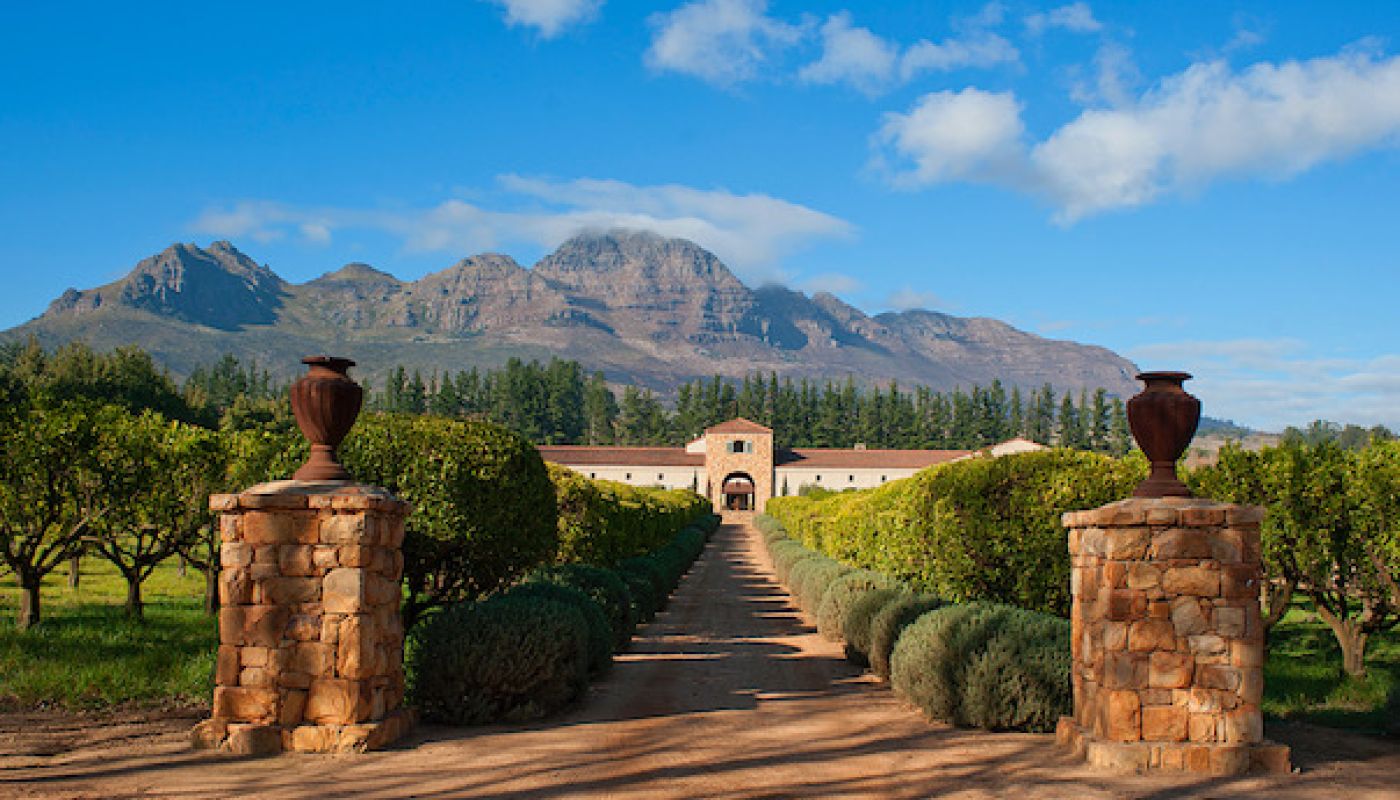
At the same time as tasting this Spanish trio, I tried a range of wines from another producer I admire, Waterford in Stellenbosch (pictured above), run by the estimable Kevin Arnold. He is valued enough by Waterford’s owner Jeremy Ord to be allowed to put his own name on their excellent Shiraz 2014, and I was also impressed by the Grenache 2015.
But it was the pair of wines based on Cabernet Sauvignon that bore out my inverse value theory. The regular varietal Cabernet Sauvignon 2014 was pure delight – so much so that our dinner guests polished off the remains in preference to the remains of a much grander Tuscan Bordeaux blend, Tenuta di Trinoro 2016, costing four or five times as much. A true claret style of wine, the Cape Cab struck just the right balance between full ripeness (not always the case with the Cape’s often-virused red wine vines) and fresh and nuanced savour. Like the Baltos 2016, this was delightfully broachable.
But The Jem 2012, despite being two years older (and much more expensive), was not nearly ready. This wine, named after Waterford’s owner, again came in a silly heavy bottle, and, a bit like the Cepas Viejas, was too uncomfortably high in acid and tannin to provide current pleasure, but it is already on the market.
Admittedly these are just a few examples of a phenomenon I encounter all the time. But there seems to be a structural problem here. In an era when so few people have a cellar of their own – and when, let’s face it, the habit of paying to store wine is really only established for the very finest, most classical wines of Europe – I think it would be sensible for producers to try harder to release wines only when they are ready to drink.
Some Spanish producers have an admirable tendency to do this – the more historic bodegas in Rioja and Ribera del Duero in particular. But most wine producers release their most expensive wines long before they are ready. It would seem sensible to me if they tried harder to make such wines accessible younger, the way that the most accomplished producers in Bordeaux and the most thoughtful producers in Burgundy now do.
Even in the upper echelons of Bordeaux, second wines such as Ch Palmer’s Alter Ego can be a much better bet than the grand vin for those without the means or patience to wait a decade or two.
GREAT-VALUE REDS FOR CURRENT DRINKING
Fattoria San Francesco 2015 Cirò
£11.95 Jeroboams
Vidal-Fleury 2015 Côtes du Rhône
£11.99 Majestic
Dominio de Tares, Baltos Mencía 2016 Bierzo
2015 is £12.79 James Nicholson, Northern Ireland
Seifried Zweigelt 2014 Nelson
£16.80 The New Zealand Cellar
Waterford Estate Cabernet Sauvignon 2014 Stellenbosch
£21.95 Amazon.co.uk, £30.50 Berry Bros & Rudd