
Wine is, on the face of it, an utterly superfluous luxury. The majority of the world’s population survive without it. It has negligible nutritional value, provides none of the basic needs of life, and those of us who drink it do so for essentially selfish reasons. So, erm, cheers!
Its defenders, myself included, could argue for its social, historical and cultural value, but at the most basic level, wine remains as unnecessary for existence as scented candles or indeed wine writers. But if that is true, then is it still possible for wine – despite its inherent expendability – to be a force for good?
This isn’t a question driven by guilt-ridden, first-world consumerism (well, not entirely, at least), because there is another more optimistic motivation: that our collective passion for this unique and wonderful liquid might bring about a positive impact on the wider world. And keep me in work.
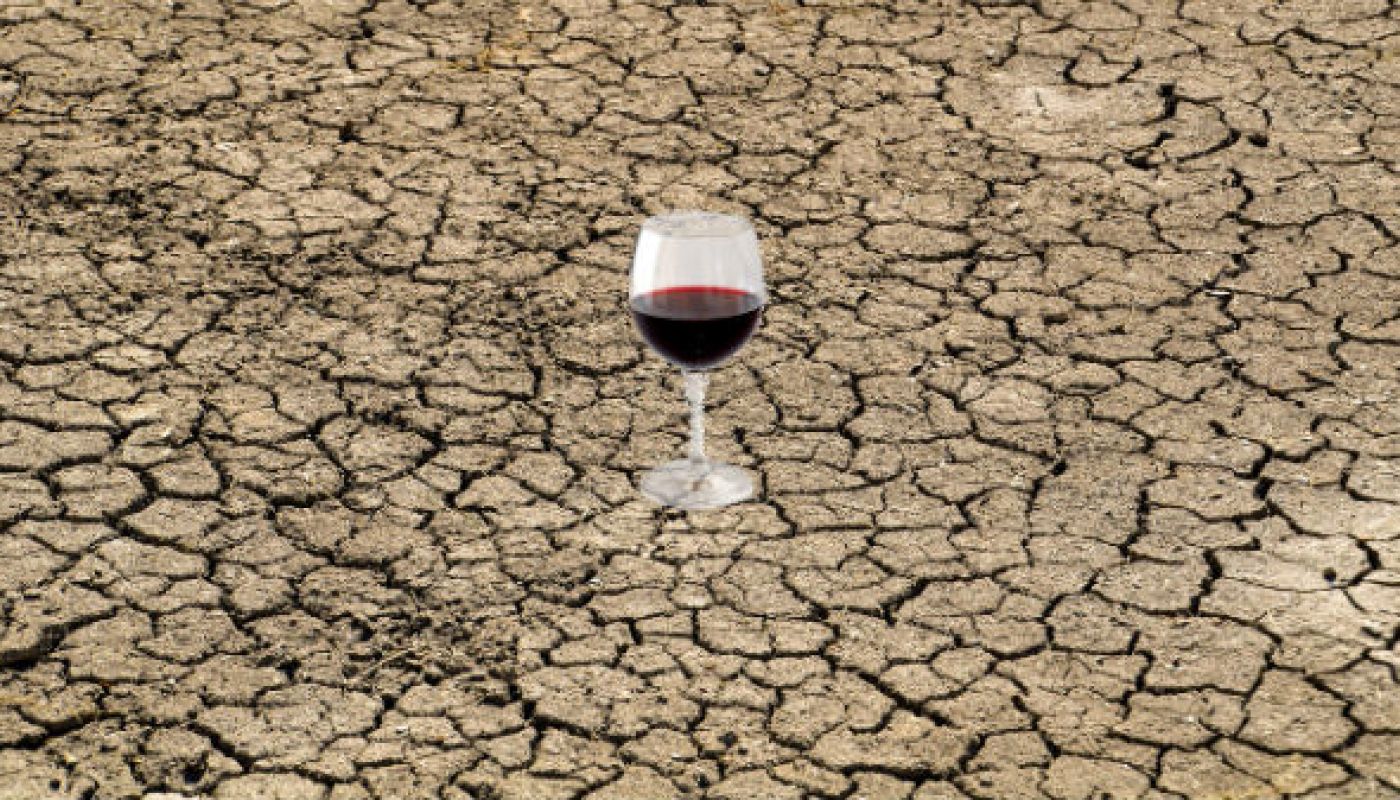
Unfortunately, considerable evidence suggests that wine is not a force for good. Producing wine is a resource-hungry business. It places high demand on the planet’s most precious resource, requiring either 10 litres or 870 litres of water per litre of wine made, depending on which report you believe.
Vineyards are also notoriously agrochemical-dependent, at least using conventional farming techniques, with estimates suggesting that viticulture is responsible for 50% of the agrochemicals used in France, despite taking up only 10% of farmland; and/or 80% of the fungicides used from only 3% of the farmland according to other estimates.
Then there is the carbon footprint to worry about, especially when considering the production, shipping and recycling of the glass bottles in which wine is routinely contained. Packaging and transport apparently accounts for half of wine’s carbon footprint, and the weight of glass is a primary factor in this. One estimate puts a burden of 1,200 grams of carbon emissions for a bottle of Bordeaux in the UK.
Then, once wine is opened and consumed, the feelgood factor is no better.
Alcohol has rarely been more vilified. Oenophiles like to think that wine is a separate case but from a bureaucratic point of view, all C2H5OH is the same. The drunkenness that it causes can have severe negative impacts on national health, productivity, as well as fuelling social problems. In the past few decades, alcohol advertising has been banned in France, suggested consumption limits have been cut in the UK, and lobbyists continue to blame booze for the ills of society.
Nobody likes to be confronted with an unpalatable truth, so for everyone still reading, your fortitude is appreciated. And now that we’ve heard the argument against, we can consider the case in favour of wine.
Wine is a significant global employer, and in some cases is the principal means of support for rural communities. In South Africa, it has been estimated that 300,000 people are directly or indirectly employed by the wine industry. With South Africa accounting for around 10% of global production by volume, we might extrapolate that three million people find work via wine production alone.
While few wine producers are in danger of getting fabulously wealthy, the industry not only generates income but also often supports causes that invest in the welfare of their community. South Africa provides an ideal illustration, with industry initiatives that are working hard to redress the balance after decades of discrimination. More broadly, charitable causes are supported far and wide by wine – Room to Read being just one example in which wine lovers have donated tens of millions to the cause of spreading literacy in the developing world.
Then we come to the qualities for which wine is most treasured. At its best, wine can reflect the time, environment and humanity of its creation in a unique and captivating way. This is the heart of the concept of terroir, which explains the incredible and unknowable variety that wine presents to us. It preserves a culture that is centuries old, connecting us to generations of ancestors, each of which represents an evolution in the ingenuity and creativity of winemaking.
Does that make wine a force for good? That depends on how you define the word, I suppose. It certainly has the ability to bring people together, stimulate our intellects and express artistic achievement – although it’s worth remembering that the vast majority of wine is far more functional, industrial and prosaic than that described above.
For most people, the day-to-day function of wine is to bring a moment of harmless enjoyment. We drink wine because, via its combination of alcohol, flavour and social lubrication, it gives pleasure.
For the more engaged, it represents more than that: an endlessly fascinating combination of art, humanity, science and nature. It might be profound or simple, refreshing or unguent – but it is always intriguing and stimulating. Wine gives us a deeper connection to our world, its history and its other inhabitants. As such, it has immense cultural value, as well as acting as a glimpse into history, and reflecting the weather and customs of bygone eras.
Or is that argument merely a self-serving justification for an indulgent, overpriced, waste of precious resources? Should it even matter whether wine has a positive impact on the wider world?
It might not be altruistic, indispensible or virtuous, but that doesn’t make wine irredeemable. For those lucky enough to drink it and learn about it, wine has qualities that encourage us to be more inquisitive, humble, open-minded, empathetic and engaged with the world. If wine can make us better people, even very slightly, then that is a force for good that ought not be underestimated.