
Drink more wine.
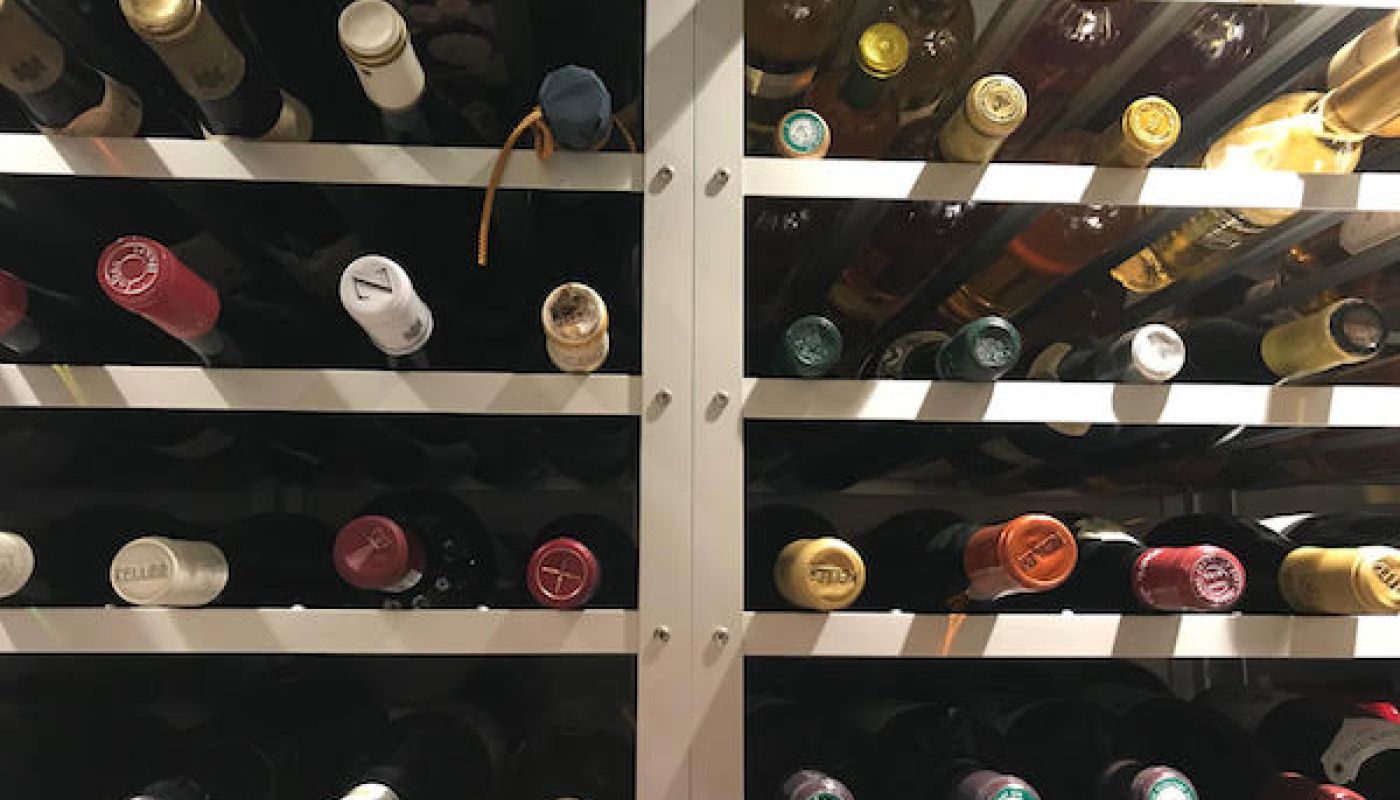
Since I reckon I taste many thousands of wine a year, you might think this an impossibility, but there is a massive difference between tasting (work) and drinking (pleasure). But like, I suspect, many proud owners of a cellarful of fine wine, I am not emptying it nearly fast enough. We all need to ask ourselves whether each wine is ready to drink, and anyway which special occasion are we saving it for. When could be better than now? The bottles can always be replaced. Do we really want to go to our cremation leaving so much libation?
Try more natural wines, with an open mind.
As I wrote in June, the natural wine phenomenon is horribly polarising. And far too many of those who criticise wine calling itself natural have hardly tasted any. Or tasted a handful and were put off by their perceived faults. I’m a bit more open-minded than this, and am always delighted when I learn that a ‘conventional’ wine producer is experimenting with new techniques. Bravo, Guillaume d’Angerville of Volnay, for instance, who has made his first orange wine at Domaine du Pélican in the Jura. But I am too often guilty of shying away from the off-piste section of a restaurant wine list. I hereby resolve to be more adventurous.
Try to stamp out the term ‘natural wine’.
The most unfortunate thing about the natural wine movement is the name that suggests that any other wine is unnatural. I rather like the term I came across recently in Australia: lo-fi winemaking. In fact all but the most industrial producers of all, those whose wines cluster on the bottom shelves of supermarkets, have been continually reducing their use of agrochemicals in the vineyard and additions in the winery, including the sulphur dioxide that preserves fresh fruitiness but that many naturalistas abhor. I hope and pray that the two extremes of wine production will continue to move closer and closer together so that an even greater proportion of wine is well made (it’s already very high) and all wine producers are fully aware of their effect on the planet.
Be more aware of true sustainability.
Sustainability is surely today’s buzzword. In wine we tend to focus on transitions to organic and biodynamic viticulture but we need to be much, much more holistic. Not just awareness of energy use in vineyard and cellar, capturing the carbon dioxide given off by all fermentations, recycling and minimising water use. Waterfootprint.com claims that 120 litres of water are used in total to produce and deliver a glass a wine into your hand. This may well be an exaggeration, but water shortages in many key wine-producing regions must be a concern. And, like all agricultural workers, vineyard labour is often itinerant and almost always poorly paid, a fact that we wine lovers tend to skim over. We have to wonder how long ‘hand-picked’ will be regarded as a positive attribute.
Rap knuckles over heavy bottles.
Talking of sustainability, it was rather shocking that when Jackson Family Estates, a particularly ecologically aware large international wine producer, conducted a thorough audit of their activities, they discovered that a good third of their carbon footprint was due to the production and transport of glass bottles. See Richard Smart’s article Carbon footprints, wine and the consumer. The heavier they are, the more wasteful they are. I started a campaign against bodybuilder bottles as long ago as 2006 but they persist, especially in Argentina and parts of southern Europe. Some wine producers even go to the trouble of importing empty bottles that weigh almost a kilo from the other side of the world. Shame on them.
We probably need to face the fact that bottles are an unnecessary luxury for inexpensive wines designed to be drunk young and to be more tolerant of cans, boxes, pouches and kegs.
Be even more sanctimonious over packaging of samples sent to me.
On the same theme, I always ask those submitting wine samples not to use non-recyclable, annoying, sticky polystyrene packaging, but some shippers go to the trouble of unpacking bottles carefully put into one of the many safe cardboard packages available for wine bottles today and putting them into polystyrene-lined boxes. Down with them too.
Explore eastern Europe.
So much money has been invested in eastern Europe over the last few years, I really want to catch up with the results.
Ask even more questions.
My FT predecessor Edmund Penning-Rowsell taught me never to be ashamed of ignorance. What sound advice.
Write slightly more enthusiastic tasting notes.
My tasting notes tend to be a stream of consciousness aimed at wine drinkers rather than nice quotes of use to those who make and sell wine. But I do realise that a little more gush might not go amiss.
Smile more often.
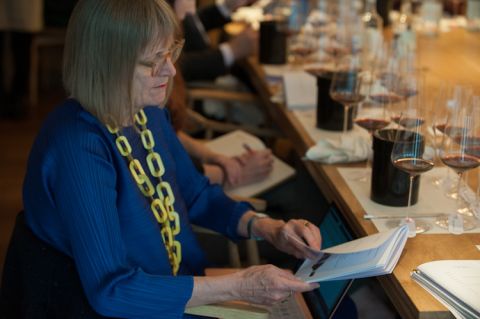
At tastings I feel so impelled to taste as many wines as possible that I can look horribly grim. Speaking of which…
Less work, more perk.
A very personal resolution this, but as someone who has declined many an alluring invitation during my 44 years writing about wine on the basis that I was too busy writing about wine, I think the time has come to depend a little bit more on the wonderful team we have amassed at JancisRobinson.com so that I can take advantage of the opportunities I am offered to travel, taste, dine, and enjoy the company of the generally extremely congenial and interesting people who populate the world of wine.
I have taken this bit of advice to heart to such an extent that my diary for the first half of this year is already chock a block – not least because during the two years it took to update The World Atlas of Wine for its latest, eighth edition, I wasn’t able to leave my desk nearly as much as I would have liked. One ‘problem’ is that we have such great specialists in Italy, Spain and Germany that I don’t have too many excuses to voyage there. But while I am healthy enough to travel at will, I intend to take maximum advantage, while not, of course, ignoring England’s wines.
The only fly in the ointment is the awareness of my carbon footprint. Living on an island and being short of time limits the extent to which one is encouraged to explore wine regions by rail, but it would help enormously if rail fares were not almost routinely more expensive than airfares. Can’t something be done about this?













