25th anniversary Tokyo tasting | The Jancis Robinson Story

Competition – Misa Labarile

Friday 14 September 2018 • 5 min read
Image

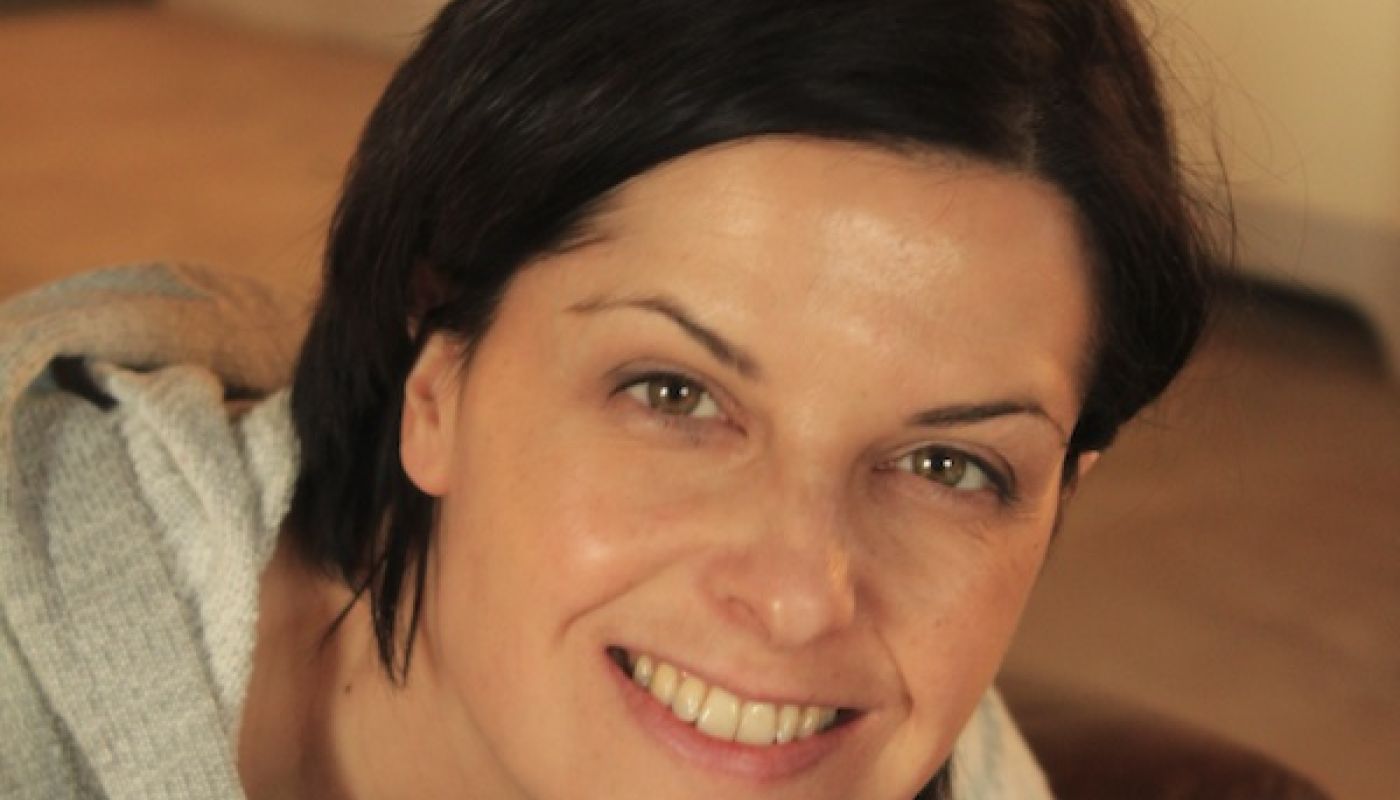
Misa Labarile writes this about herself:I am an Italian expat in Brussels, and a EU civil servant. As such, I would normally have loads to whinge about – the weather and the food, for example – but I make up for the rainy days by enjoying the lovely expat community. I love dinners with friends. I like a house full of people. I like listening to stories, and probably that’s what attracts me in wine too, that each is a story in its own right. As a hobby, I am learning fashion design, and I am an occasional theatre improviser. Through all this, I am passionate about wine: I drink it, I taste it, I learn about it, and I read about it. I have a WSET Award in Wine Level 3 qualification, and a Sommelier qualification by the Fondazione Italiana Sommeliers. I do not have time to moonlight as a sommelier just now, though: I am also the happy mum of a perfectly European baby – half English, half Italian, French speaking – who will grow up to make me feel linguistically inept. My life before my baby was full of exotic, often solitary, offline travelling. I miss that sometimes. Business trips have taken up a very romantic tinge. Otherwise, wine being a shared passion in the family, trips around wine regions are rather frequent, and with some luck, we’ll pass on the torch to the next generation.’ Here’s her (unedited) entry in our seminal wine competition

As children, if we are lucky, we grow up surrounded by very present, dependable parents, who look eternally solid even as wrinkles soften their smiles, and movements progressively slow. When we are old enough, if we are lucky, we learn that they have had a youth and a journey: and we may find ourselves wishing to have known more, and understood better. This is how my relationship with wine developed.

I grew up in a nondescript village in Northern Italy, where industry bloomed and any indulgence to the senses was a pastime which oughtn’t disrupt the pace of hard work. As such, my mother frowned upon wine; my father, a Southerner better inclined to enjoy life, compromised by buying 25 litres demijohns twice a year, re-filling the same fiascos over and over.

I can not remember a lunch, or a dinner, without a fiasco on the table, just as I can’t remember one without bread, or espresso finishing off the meal. My father had this theory that a glass of red per day was just what the doctor ordered: “it is good for your blood”, he would admonish us endlessly, and with some severity, since no one would drink with him anyway. That improved when I finally turned eight; although, of course, we still had my mum to reckon with.

But even so, wine was in no way remarkable. It was drunk in glass tumblers, absentmindedly, interchangeably with water. It was mostly red. It was stored in the basement, together with cold meat, garlic, old books and the suitcases for the holidays. My dad used the garden hose to rack it from the demijohn to the fiasco, and I was allowed to start the siphon with my mouth. This is hardly a clean method of racking. If a child is not allowed to swallow more than a tiny sip (or even if she is) quite a lot of wine sloshing is to be expected. All our copies of La Divina Commedia carried a slight vinous tang.

But what really strikes me now when I think back to this, is the fact that, as opposed to clothes, shoes, bags, perfumes, music, literature, movie stars, wine had no name; no label; no identity. I now know that what we were drinking was mostly Croatina; but for years, wine was nothing but a straw fiasco.

It all changed the night I was poured a glass of Amarone della Valpolicella Masi Riserva di Costasera, 2007. It was a fine night in a chic wine bar in Rome. After years of travelling, several career advancements and layers of hard-learned sophistication to cover up the scrappy child from the basement, for the first time in my life I was living in Rome, and Rome was sinking in. I moved in exclusive circles around Renaissance palazzos, drinking award-winning cappuccinos for breakfast, and breathing in decadent pride. I tried to fight off the lazy indulgence of it all, as one does, until, after endless dinners, and great bottles which I liked without pausing, the Amarone made its majestic entrance. Like Rome, it commanded enjoyment.

The fun fact about my discovery that wine had a personality is that I wasn’t even drinking it: I just sat there and smelled it. I was picking up mouth-watering scents but I couldn’t grasp them, so I kept trying, and failing.

I must have looked very knowing, frozen in my seat with my nose in my glass, until I voiced my wonder and delight. I was immediately mocked for not knowing the first thing about it, since Amarone and I grew up next door to each other. It is a commonly known fact that geographical proximity to a wine region makes you a natural expert on local grapes, so naturally I was an oddity. I felt ashamed of my poor understanding, and by extension, of my upbringing.

But all of a sudden I was curious, and started making good use of the fancy dinners and patronising experts. This brought me to formal sommelier training, which lasted a couple of years and left me with a pin, a qualification, great friends and a mild form of PTSD. The utter number of Italian grapes is enough to damp any pretension of expertise for years to come. Luckily, the tastings kept up the enthusiasm. But it was a lesson for life I badly needed: train on Italian wine, and you will be given the gift of never taking yourself too seriously, no matter what.

So I know something about wine now. People ask me for recommendations. Labels matter. I have a baby who hears wine discussed every day, and is encouraged to smell the glass. I have many, many proper wine glasses – bottles, too, come to that. I go on wine trips and ask knowledgeable questions. And when I go home, where my dad’s chair is now empty, I am in charge of the wine. Fiascos were discontinued years ago in favour of plain, cheaper glass bottles, but it is my job now, to put one on the table.

Not long ago, I visited my father’s only living brother, whom I hadn’t seen in far too many years. He invited me over for dinner, which, as for many elderly people, was a small affair. But there it was, on the table: an unlabelled bottle of the local red, which no one really knew the name of. Not even two inches splashed in my uncle’s flat, ordinary glass, a sip to wash down a bit of pasta and an apple. Because it’s good for your blood.

Choose your plan
Member
$135
/year
Save over 15% annually
Ideal for wine enthusiasts
  • Access 290,748 wine reviews & 15,955 articles
  • Access The Oxford Companion to Wine & The World Atlas of Wine
Inner Circle
$249
/year
 
Ideal for collectors
  • Access 290,748 wine reviews & 15,955 articles
  • Access The Oxford Companion to Wine & The World Atlas of Wine
  • Early access to the latest wine reviews & articles, 48 hours in advance
Professional
$299
/year
For individual wine professionals
  • Access 290,748 wine reviews & 15,955 articles
  • Access The Oxford Companion to Wine & The World Atlas of Wine
  • Early access to the latest wine reviews & articles, 48 hours in advance
  • Commercial use of up to 25 wine reviews & scores for marketing
Business
$399
/year
For companies in the wine trade
  • Access 290,748 wine reviews & 15,955 articles
  • Access The Oxford Companion to Wine & The World Atlas of Wine
  • Early access to the latest wine reviews & articles, 48 hours in advance
  • Commercial use of up to 250 wine reviews & scores for marketing
Pay with
Visa logo Mastercard logo American Express logo Logo for more payment options
Join our newsletter

Get the latest from Jancis and her team of leading wine experts.

By subscribing you agree with our Privacy Policy and provide consent to receive updates from our company.

More Free for all

Wine cellar
Free for all Overstocked wine collectors round the world share their strategies. A much shorter version of this article is published by the...
Lytton Springs vines
Free for all If you’re looking for character, individuality and real significance, go Zin, from vines planted in another era of American history...
Ch Ormes de Pez
Free for all An overview of the 2016s tasted at 10 years old. See tasting articles on right-bank reds and sweet whites and...
Ferran and JR at Barcelona Wine Week
Free for all Ferran and Jancis attempt to sum up the excitement of Spanish wine today in six glasses. A much shorter version...

More from JancisRobinson.com

Rosé Day bottle line-up
Tasting articles It can pay to age your rosé , Julian Leidy reports from Elizabeth Gabay MW’s Fine Rosé Day conference. We’re...
Missing Gate vineyard in Crouch Valley
Tasting articles The sunny Crouch Valley in Essex lures Burgundians across the Channel to make wine in England. The Times , Britain’s...
Jorge Navascues at Contino
Tasting articles A visit to one of the wineries that has decisively shaped Rioja’s modern history. Above, Contino’s winemaker Jorge Navascués. See...
Em Sherif ice cream and bread pudding
Nick on restaurants On the food, wine and wine writing of Lebanon available to us in London. The news that there is currently...
wine-news-in-5 logo and a Vigicrues map showine major flooding in France on 19/2/2026
Wine news in 5 Plus mining company buying vineyard land in Australia and Champagne’s CO 2 emission goals raised. Above, red lines show major...
Rocim talha cellar
Tasting articles Celebrating wine from clay in southern Portugal. 1,900 wine lovers can’t be wrong. In November last year they thronged to...
Eric Rodez barrel cellar
Wines of the week Not cheap but a good buy considering the flood of hedonistic flavour and texture in this organic and biodynamic champagne...
Richard Hemming surrounded by wine bottles ready for tasting
Tasting articles 124 wines reviewed, revealing assorted treasures buried in the far south-western corner of Australia. See also Visiting Great Southern. The...
Wine inspiration delivered directly to your inbox, weekly
Our weekly newsletter is free for all
By subscribing you're confirming that you agree with our Terms and Conditions.