
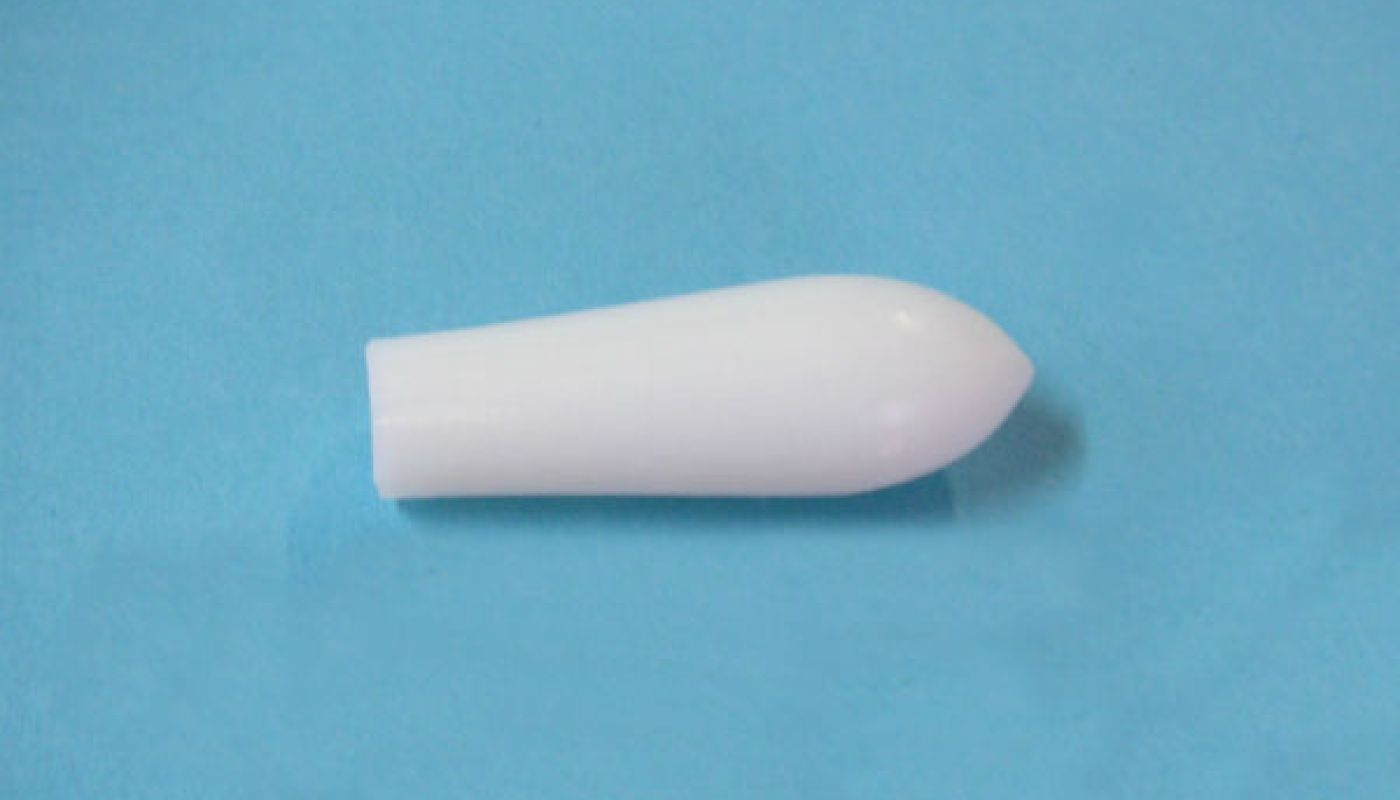
Grot is the name of a shop that sold absolute rubbish at vastly inflated prices. It was dreamt up by a disillusioned sales executive driven mad by the rat race of corporate life. He freely admitted that Grot’s products were tasteless, impractical, overpriced and stupid, reasoning that ‘there’s so much rubbish sold under false pretences I decided to be honest about it'.
He was confident of making a fortune, and so it proved. The likes of insoluble suppositories and square footballs became hugely popular, apparently without irony. Grot quickly became big business and within two years its mastermind found himself back in the same corporate boardrooms he had founded Grot to avoid. So it was not an entirely irony-free exercise after all. The whole saga was documented in a 1970s BBC television series.
Grot was sitcom fiction, of course – but applying its principles to the world of wine seems to invoke the old adage about the truth being stranger. Surely real-life businesses would never presume their customers gullible enough to fall for such ludicrous tactics – especially not in the honourable world of wine. Would they?
Take packaging, for instance. A Grot wine would take all the inconvenient features of the existing product and shamelessly exaggerate them. Glass bottles are notoriously heavy, fragile, expensive and spatially inefficient. Morally, wine producers would eschew bottles of grossly increased weight or irregular shape, because choosing such monsters sacrifices responsibility and practicality in favour of hoodwinking the customer. To complement the proposition, a cork closure would be ideal, preferably covered in a wax seal to maximise the inconvenience of extraction – plus they bring with them the added fun of calamitous TCA taint risk.
Marketing offers a whole host of similar advantages. Limited editions with individually numbered bottles, for instance, ideally including lots of number eights to appeal to the Chinese market. Labels designed by a different artist every year. Gift boxes, branded accessories and expensive glasses – sorry, stemware – designed specifically for that wine alone.
Then there are surreptitious promotional campaigns. Paying for a celebrity endorsement, for example – perhaps by using a slim supermodel to insinuate a low-calorie message – or product placement in movies or music lyrics, where a wine can be styled as the ideal thing for aspiring secret-service agents or boastful rappers to drink.
Let’s not forget the wine itself. All manner of trendy techniques can be employed to bolster a wine’s credentials. Consultant winemakers are de rigueur for aspirational wines, bringing distinguished credibility to a label and adding their signature influence. Ten years ago that might have been micro-oxidation or 200% new oak. The first technique is a sort of plastic surgery for reds, giving their tannic structure a plush, finely sieved character that makes them all feel the same, whereas the second makes them all taste the same.
Nowadays it’s more likely to be Nomblot eggs and earthenware amphorae that are prescribed, but the homogeneity is still assured.
Finally, such a carefully devised wine must be appropriately presented to the customer. They should be referred to as icon wines or super-cuvées, and sold on allocation or through a waiting list to emphasise their rarity. Judicious use of PR can spread the word throughout the wine world, increasing the hype and whipping up feverish demand.
In summary, if a wine was like Grot, it would be a celebrity-endorsed, limited edition, heavily manipulated icon wine packaged in an overweight, misshapen bottle sealed with a cork and sold with extraneous add-ons at vastly inflated prices via exclusive channels.
Sadly, unlike Grot, all the examples I cite above are non-fiction – though admittedly not for a single wine. Yet.

Grot’s founder Reggie Perrin explained that the success of his products was based on one realisation: people want something that nobody else has got. It seems he was right. Perhaps wine producers can’t be blamed for adding a bit of embellishment and differentiation to their products – though a more cynical observer might feel that such hoopla induces a discomfort similar to that caused by insoluble suppositories.