
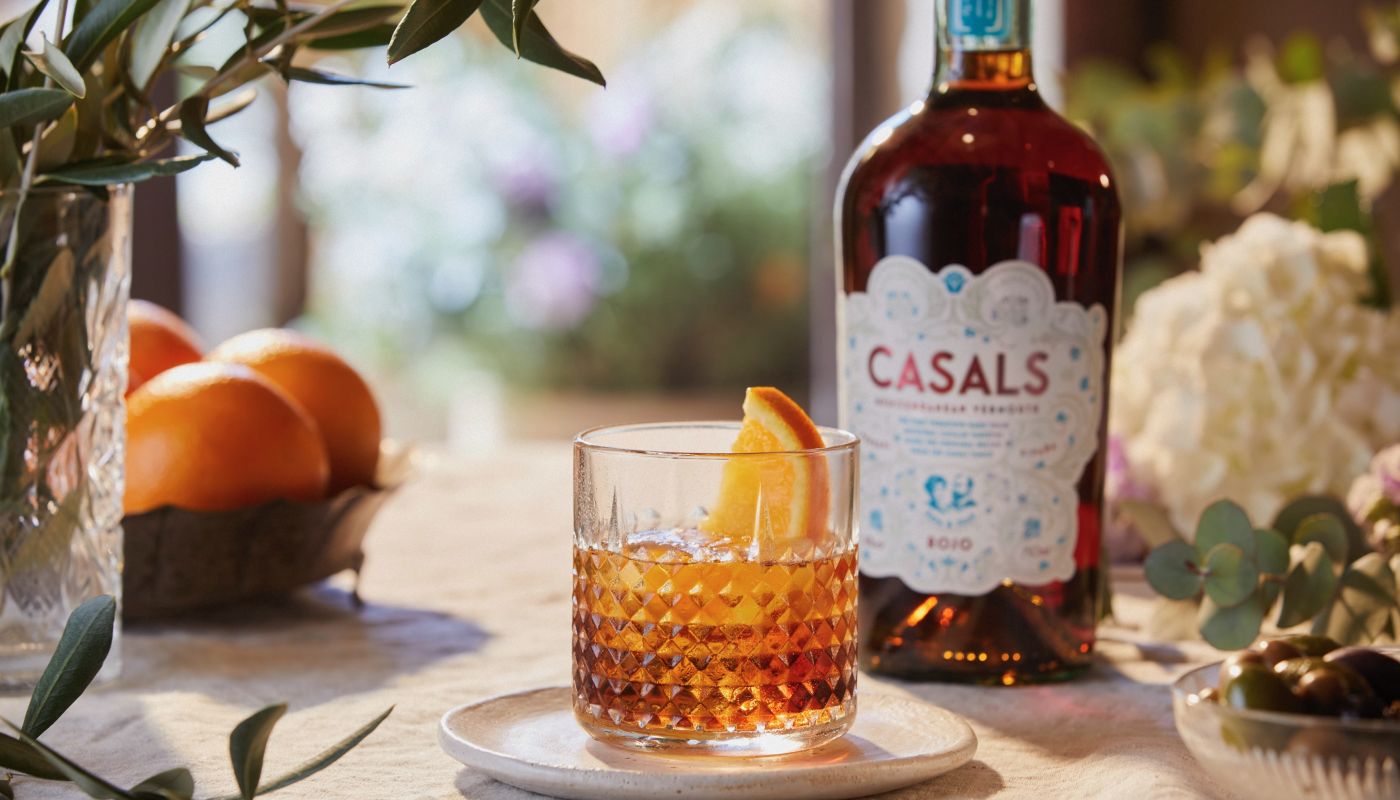
Vermouths don’t come my way very often except as an ingredient in a cocktail but they can be utterly captivating on their own, especially their bitter-sweet flavours and overtly intense aromas.
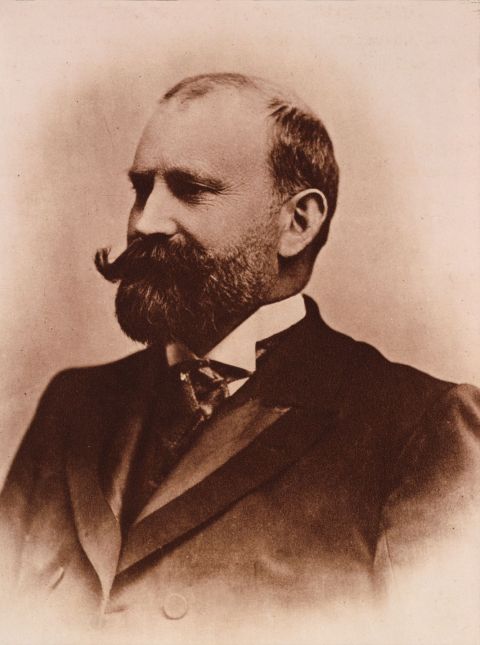
This one has not long been released. It’s made by Juan Torres Master Distillers, the spirits division of Familia Torres, as a tribute to Juan Torres Casals (pictured below), the second generation of the Torres family, and his wife Josefa Carbó, known as Pepa. It was Torres Casals who in 1928 produced the company’s first mature, barrel-aged brandy. Torres are relentless pioneers in many fields, not least as co-founders with Jackson Family Wines of International Wineries for Climate Action.
This red (rojo) vermouth is based on Torres Casals’ original recipe but there’s a twist in the tale which connects this aromatic elixir with the work that Familia Torres have been doing for the last forty years to rediscover and resurrect what they refer to as ‘ancestral varieties’, those ‘long believed lost to the phylloxera blight of the 19th century’, and to make wine from them.
I recently tasted the 2023 Clos Ancestral Forcada (which includes some Xarello) as well as the Clos Ancestral red blend 2023, based on the recovered Moneu variety blended with some Tempranillo and Garnacha. They also make a 100% Moneu under the Jean León label.
This is the first vermouth to be made using one of these ancestral varieties, Selma, which was chosen ‘for its neutral aromatic profile and its suitability for maceration with herbs once distilled’.
Not surprising that they looked for a neutral variety when you see the glorious range of flavours and aromas that are introduced by 20 Mediterranean botanicals, including orange peel, tangerine peel, olive-leaf extract, cinnamon, cardamom, clove, thyme, rosemary, lily root and wormwood.
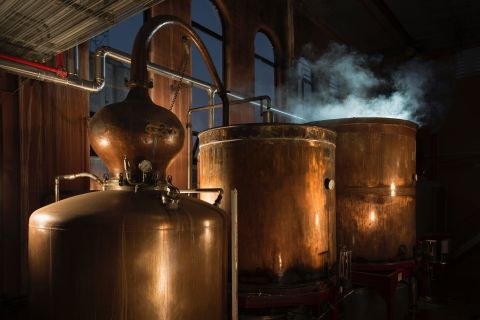
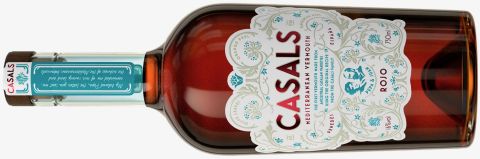
The process starts with the base white wine, a blend of two non-aromatic varieties Airén and Zalema, fermented using only the free-run juice. Thirty percent of this is aged for three years in 600-litre American oak casks, in a solera system – commonly used in the making of sherry – that integrates several vintages. The wine made from Selma is distilled (their distillery is shown below), then the base wine, the distillate and sweetening grape must are blended together before the botanicals are left to macerate in this mix for three months. The browny red colour of this vermouth – it’s more brown than red even though it says Rojo on the label – comes entirely from the botanicals and the ageing of the wine.
The aroma is dramatic and intense: bitter orange and apricot, mint and lavender, dried fruits, and so much more, even a little medicinal – in a good way. It is very sweet (the residual sugar is apparently 200 g/l, which is twice as much as most ports) but that sweetness is remarkably well balanced by herbal-fresh and citrus flavours as well as a light and delicious bitterness. (The acidity is 5 g/l and the pH just 3.3.)
It’s hard to think about anything other than this pageant of flavours but the vermouth is also rich and smooth in texture, mouth-filling and viscous without being heavy, with a lingering aftertaste. Beware, it slips down very easily but the alcohol is 16%.
My favourite way to drink this is on the rocks but there are some ideas for cocktails on the Casals’ website.
Given the complex recipe and the many steps involved in the process, as well as the pleasure potential, this definitely qualifies as VGV (very good value). I’m not sure how long you could keep it in an open bottle but this was still scrummy as I eked it out into the second week after opening.
The US importer of Casals Mediterranean Vermouth is Infinium Spirits; it’s available nationally via Total Wine & More; in some local/state chains such as Binnys in Illinois or Spec’s in Texas; and in many independent stores throughout the country. The UK importer is Cask Liquid Marketing, who note that the vermouth is currently available from The Whisky Exchange and Master of Malt. It is also available in Spain, Mexico, the United Arab Emirates, Canada, Germany, Denmark, Finland, Italy, Luxembourg, the Baltic countries, Poland and China.
All photos courtesy of Juan Torres Master Distillers.
You can find reviews of more than 100 vermouths in our database.