
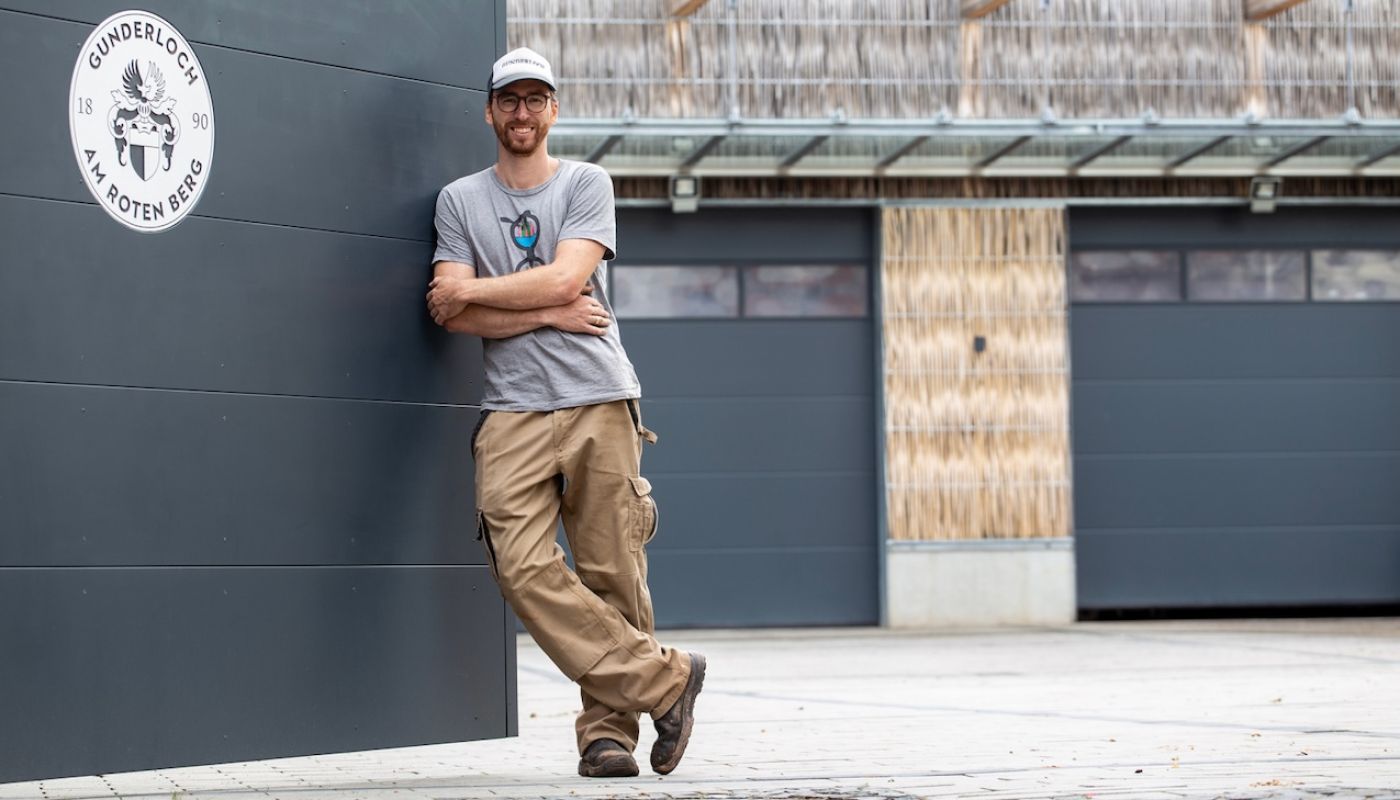
There is currently a rather touching, to me anyway, ad campaign in Germany run by the VDP, the association of elite wine producers there.
It consists of an Instagram blitz and about 20 digital posters in German cities based on images such as those shown below, each depicting a young(ish) winegrower, with a quote from them explaining why they have chosen their career, typically taking over relatively small enterprises from their parents and doing the hard work in vineyard and cellar themselves.
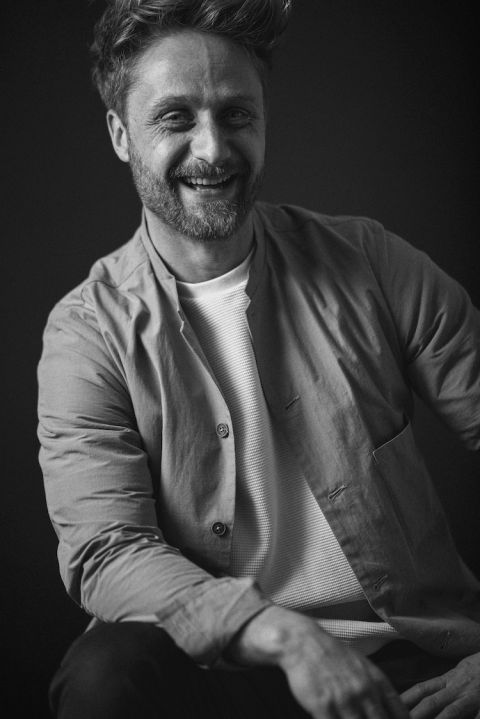
Julian Huber, above, of the famous Bernhard Huber estate in Baden producing Germanic answers to red and white burgundy, is disarmingly modest: ‘I probably wouldn’t have been good for anything else.’
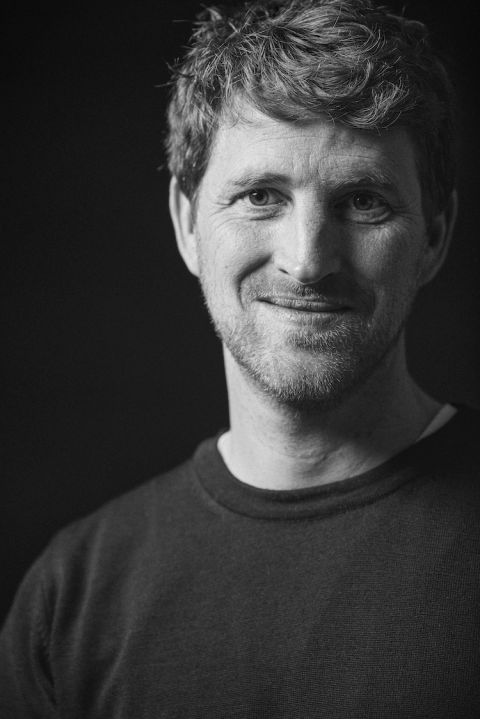
Eleventh-generation Peter Jakob Kühn in the Rheingau was famously a pioneer of organic viticulture there back in the early 1990s. His son Peter Bernhard Kühn, below, waxes philosophical with his ‘I learn, love and hate, am king and servant, find freedom and connection.’ Kai Schätzel in Rheinhessen is working in the family estate for the most altruistic of reasons: ‘I believe that good agriculture can save the world.’
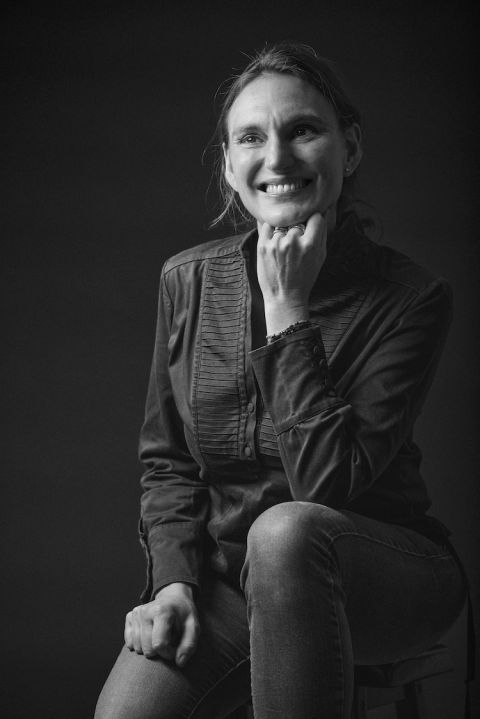
It would be misleading, however, to suggest that only the sons inherit the earth at German family wine estates. Despite having three older brothers, it is Catharina Mauritz who has taken over the Domdechant Werner estate in the Rheingau from her father Dr Franz Michel. Katharina Prüm long ago succeeded her father Manfred at the famous J J Prüm estate in the Mosel, making wines that are noticeably fruitier and more approachable in their youth. Upstream in the Saar Valley, Dorothee Zilliken has taken over the reins from her father Hanno at Forstmeister Geltz Zilliken. She and her husband Philipp are deliberately making wines that are even lighter, and perceptibly drier, than those of the previous generation.
The campaign may be partly in response to the labour shortage affecting wine production in Germany as throughout the wine world. But according to the VDP, aware that there are many easier jobs than winegrowing, it is ‘a political message designed to generate enthusiasm and empowerment among nature, culture and craft lovers’. It reflects today’s spirit of co-operation among VDP members, something I was assured on a recent visit there was not that common a generation or two ago.
Part of what I love about winegrowing is that its appeal is strong enough to persuade young, well-travelled, well-educated people to adopt a physically demanding, outdoor profession in which they are pitted against a more powerful, increasingly unpredictable force: nature. Winegrowing is an art, a craft and nowadays has to be a science, too.
Younger generations of vintners not only routinely attend top wine schools but also intern at some of the world’s finest wine estates, where they soak up the latest practicalities of grape-growing and winemaking.
Wine writer and retired wine producer Armin Diel of Schlossgut Diel in the Nahe told me that his 2001 Christmas present to his daughter Caroline, below, now in charge of the estate with her French husband Sylvain Taurisson-Diel, was a handwritten letter presented on a silver plate from Aubert de Villaine of Burgundy’s most famous estate Domaine de la Romanée-Conti inviting her to do the 2002 harvest there.
But nature can be a cruel adversary. At this year’s Weinbörse wine fair in Mainz, where almost 1,700 of the latest releases were shown by the great majority of the VDP’s 200 members, many of the producers were still reeling from especially savage frosts a few days earlier. The Zillikens reckon to have lost up to 70% of their potential 2024 crop, so many buds were turned to ice on the vine.
In the nearby Ruwer Valley, the famous vineyards of the Maximin Grünhaus estate were also very badly hit. But Maximin von Schubert, who has taken over from his father Dr Carl von Schubert and continues the estate’s diversification into red-wine production thanks to some rather lovely Pinot Noir plant material imported from Burgundy, has taken out a form of frost insurance. He has deliberately bought land round about the original estate vineyards with different exposures and elevations, thereby reducing the likelihood of their all being frosted at the same time.
If there were a stylistic generalisation to be made about the wines of the current generation of VDP members it is that they seem to be following German consumer taste in making drier and drier wines. Sweetness in German wine is all too readily associated with the darkest days of the industry in the 1970s and early 1980s in the wake of the 1971 German Wine Law that promoted sweetness above all else, including true quality.
It has taken years of discussion, largely on the part of the VDP, to evolve a new system that prizes geography and balance above the Kabinett, Spätlese and Auslese categories defined by residual sugar levels. Today there is also a labelling system more like Burgundy’s in which the most admired wines, and the ones likely to benefit from the finest grapes, are those from the most specific locations, single-vineyard wines.
Caroline Diel, for instance, is now making wines that are bone dry and distinctly chewy in youth so that she has completely changed the estate’s release timetable. Today’s Schlossgut Diel wines enjoy much longer ageing in bottle before being put on the market. Unlike most other producers in Mainz, she had no 2023 whites to show and even her 2022s were still tightly textured.
The same phenomenon is evident in the wines being made by Sebastian Fürst, son of Paul of the Rudolf Fürst estate in Franken. Paul was a pioneer of fine Pinot Noir, called Spätburgunder in Germany. Sebastian, who joined him in 2007, is typical of his generation, having studied viticulture and oenology at Geisenheim University and having worked in wineries in Burgundy, Alsace, Spain, South Africa and other top addresses in Germany. His 2022 Spätburgunders are particularly youthful, yet clearly very promising.
Sebastian Fürst also displays the environmental awareness of his generation, a phenomenon vigorously promoted within the VDP by Johannes Hasselbach, who worked in finance before coming back to his family’s Gunderloch estate in Rheinhessen. On his watch there seems to be new energy and polish to the wines from their famous vineyards on the Rhine.
Like so many of his contemporaries, Hasselbach treasures the flavours that result from the yeasts naturally present in the vineyard and winery above those that result from specially cultured yeasts that have been bought in.
Jan Eymael came back to Weingut Pfeffingen in the Pfalz from interning at Château Smith Haut Lafitte in Bordeaux with his wife Karin and realised he really liked the smell of their blend of Sauvignon Blanc and Sémillon in the fermentation vat. As a result, he developed a new, much more opulent style for the white they make from their mature Scheurebe vines.
As a result of all these outside influences, German wine may be more varied than it was in the 1970s sugar-water era, but it is so much better.
Favourite recent releases …
... of the 160-odd wines I tasted in Mainz. The Germans see 1Gs (Erste Gewächse) as their premiers crus and GGs (Grosse Gewächse) as their grands crus and wines labelled as such are always dry. In the UK, Howard Ripley is planning an offer of recent German releases.
Rieslings
Peter Lauer, Ayler Kupp Auslese #10 2023 Mosel 7.8%
von Schubert, Maximin Grünhäuser Abtsberg Spätlese 2023 Mosel 7.5%
Fritz Haag, Brauneberger Juffer Kabinett 2023 Mosel 8%
Dr Bürklin-Wolf, Wachenheimer Böhlig 1G 2023 Pfalz 12.5%
Dr Bürklin-Wolf, Wachenheimer Rechbächel 1G 2023 Pfalz 12.5%
Reds
Meyer-Näkel, Dernauer Blauschiefer Spätburgunder 2022 Ahr 13%
A Christmann, Königsbacher Ölberg Spätburgunder 1G 2022 Pfalz 13%
Jean Stodden, Recher Herrenberg Frühburgunder GG 2021 Ahr 12.5%
Jean Stodden, Neuenahrer Sonnenberg Spätburgunder GG 2021 Ahr 13%
Dr Heger, Achkarrer Schlossberg Spätburgunder GG 2020 13.5%
Tasting notes, scores and suggested drinking dates in 2024 Mainzer Weinbörse – a celebration of German wine, Germany 2023 – Mittelrhein, Mosel and Nahe and Germany 2023 – Rheingau, Rheinhessen, Pfalz and Franken. International stockists eventually on Wine-Searcher.com.













