
この記事は、できるだけ早くお届けするためにまずAIで翻訳したものです。今後はAIに教育を行うことでその精度を上げること、それと並行し翻訳者が日本語監修を行った記事と、AI翻訳のみによる和訳記事を明確に分けることで、読者の皆様の利便性を最大限に高めることを目指しています。表現に一部不自然な箇所がある場合があります。ご了承ください。
パメ・ヴォルタ。これは散歩に行こうというギリシャ語だ。今回の場合は、世界で最も美しい場所の一つであるモネムヴァシアへの散歩である。このビザンチン時代の町は、ペロポネソス半島南部の本土沖にある巨大な岩に築かれており、細長い陸地の一本道でのみ結ばれている。実際、その名前は「一つの入り口」を意味する(モノ・エムヴァシス)。
奇跡的に、この城壁に囲まれた町は、ヨーロッパで最も古い継続的に人が住む要塞都市であるが、厳格な建築規制のおかげで注意深く保存されている。車の乗り入れは禁止されており、入るには古い木の扉をくぐって歩かなければならず、荷物や重い物は荷車やロバを使った運搬人に預けることになる。
そこからは、古い町の古代石造建築の間を縫って丘の斜面を登る石畳の小道(写真上のヴォルテス)を自由に歩くことができる。建物は次々と積み重なるように見え、標高300メートル(984フィート)の岩の頂上にある城塞まで続き、そこからは電気ブルーのエーゲ海をほぼ360度見渡すことができる。

モネムヴァシアの位置、つまり海へのアクセス、難攻不落の断崖、そして遮るもののない眺望は、ここを重要なヴェネツィアの要塞にした。ここから彼らは大量のワインを出荷していた。どのような種類のワインかは甘口で高く評価されていたという事実以外は今でも議論されているが、それが何であれ、マルムジーとして世界的に有名になった。これはマルヴァジアの訛りで、当時は多くの甘口ワインの総称として使われていた。
この歴史に触発されて、ジョージ・ツィンビディス(George Tsimbidis)とエリ・ツィンビディス(Elli Tsimbidis)は1997年、島から北西に車で約15分のヴェリエスにモネムヴァシア・ワイナリーを設立した。ジュリアが2010年の訪問後に報告したように、彼らの主な目的は、モネムヴァシアを世界のワイン地図に載せた甘口ワインを再現することだった(彼らが「マルヴァジア・プロジェクト」と呼ぶもの)。
彼らは成功し、歴史的研究とブドウ畑とワイナリーでの広範囲にわたる実験に基づいて、2010年にモネムヴァシア・マルヴァジアの原産地統制呼称(PDO)を獲得した。ちなみに、この実験の結果生まれたのは、探し求める価値のある深い金色の非酒精強化、干しブドウのエリクシールである。
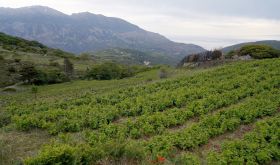
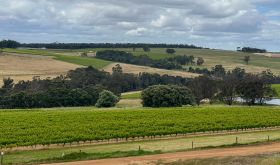
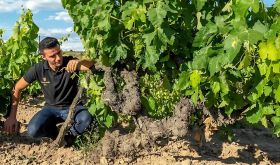
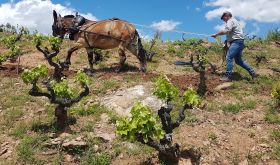
しかし、この目標を達成するために、ツィンビディス夫妻は約30ヘクタール(74エーカー)のブドウの樹を植えた。すべて有機栽培で、キドニツァ(Kydonitsa)などの地元の特産品種や、リムニオナ(Limniona)などギリシャの他の地域からの移入品種も含まれている。そして多くの実験を行った結果、幅広いワインのポートフォリオが生まれた。
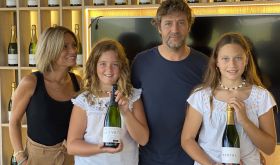
最新の商品の一つであるヴォルテスは、2017年に参加したマリアレナ(Marialena)と2020年に加わったアナスタシア(Anastasia)というツィンビディス夫妻の娘たちからヒントを得ている。(3番目の娘アルテミス(Artemis)は学校を卒業次第参加予定だ。)

ヴォルテス赤は、アギオルギティコ(Agiorgitiko)とマヴルーディ(Mavroudi)をベースにしている。これはジョージがワイナリーのフラッグシップ赤ワインであるモネムヴァシオスを造るのに使ったのと同じ品種だが、華麗なオーク熟成ワインを目指すのではなく、マリアレナとアナスタシアは若々しくフレッシュなものを求め、短時間のマセレーションと完全にステンレス・スチールでの醸造を選択した。

白のヴォルテスについては、この産地の扱いにくいキドニツァとアスプルーディ(Asproudi)は使わず、甘口ワインや少量生産の辛口白ワイン用に残し、代わりにワイナリーから北に数時間の高地で冷涼な台地マンティニアからロディティス(Roditis)とモスコフィレロ(Moschofilero)を購入している。

その結果生まれたワインは、フレッシュさと即効性で際立っている。白ワインはわずかに花の香りがするが主にセイボリーで、食欲をそそる酸味がある。赤ワインはその赤い色合いと同じくらいジューシーで明るい。(ロゼもあるが、私は試飲していない。)15ドル/15ポンド程度の価格で、これらはハウス・ワインの優秀な候補であり、アペリティフとしてそのまま飲んだり、急な パーティーに出したり、ただ何でもない水曜日の夜に開けたりするのに最適だ。(赤ワインはアルコール度数12.5%と完全に妥当で、白ワインは13%である。)
いずれにしても、どちらも世界の真に例外的な一角を巡る小さな心のヴォルタに乗り出すための素晴らしい口実であり、しかも低コストで楽しめる。
だから、パメ・ヴォルタ、ヴォルテスを手に入れに行こう。
この生産者はモネムヴァシア・ワイナリー・ツィンビディとして記載されている場合があることに注意。モネムヴァシアの石畳の小道のトップ写真はアンスプラッシュのエルネスツ・ヴァガ(Ernests Vaga)による。その他の写真はすべてワイナリー提供。
マルムジーから現代まで、ギリシャ・ワインについてもっと知りたい方はオックスフォード・ワイン・コンパニオンをご覧ください。また、テイスティング・ノート・データベースでは、メンバー向けにギリシャ・ワインのレビューを約4,000件ご用意しています。