
この記事は、できるだけ早くお届けするためにまずAIで翻訳したものです。今後はAIに教育を行うことでその精度を上げること、それと並行し翻訳者が日本語監修を行った記事と、AI翻訳のみによる和訳記事を明確に分けることで、読者の皆様の利便性を最大限に高めることを目指しています。表現に一部不自然な箇所がある場合があります。ご了承ください。
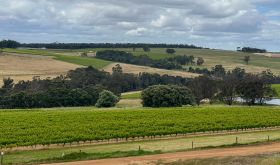
南オーストラリアのマクラーレン・ヴェール (McLaren Vale) にあるダーレンバーグ (d'Arenberg) のワインは、特徴的な赤いストライプのブランディングで、ワイン小売店の棚で見つけやすい。しかし特徴的なラベルだけでなく、これらのワインは個性とコストパフォーマンスを兼ね備えている。最近のウェイトローズ (Waitrose) のプレス・テイスティングでザ・ハイ・トレリス・カベルネ・ソーヴィニヨン 2021 (The High Trellis Cabernet Sauvignon 2021)を試飲し、過去35年間にわたってこの生産者が私にとっていかに重要な存在だったかを改めて思い起こした。
1980年代末にワインの探求を始めた頃、私は初めてダーレンバーグを知った。当時のワイン界は今よりもはるかに伝統的で、ボルドー、リオハ、トスカーナの古典的なワインがワイン商の品揃えを支配していた。そうした背景の中で、オーストラリアやニュージーランドから届いた創造的なラベルを持つ果実味豊かで代替的なスタイルのワインの登場は、まるで別の惑星からワインボトルが到着したかのようだった。
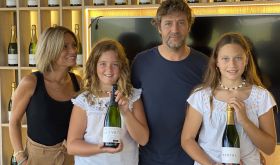
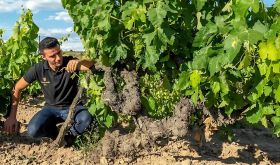
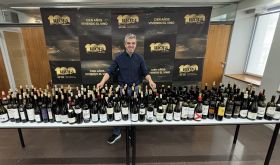
ダーレンバーグのワインはまさにその革命の一部であり、4代目の家族を代表する非常にカラフルなチェスター・オズボーン (Chester Osborn)(写真上)がいた。オドビンズ (Oddbins) が頻繁に変わるワインリスト(ラルフ・ステッドマン (Ralph Steadman) がイラストを担当)を提示していた時代に、オズボーンの登場は物事がいかに変化しているかを確認させるものだった。
実際、オズボーンとダーレンバーグが革命的な何かを表しているという考えは少し誤解だった。家族経営の事業は常に伝統を中核に据えてきたからだ。ダーレンバーグは南オーストラリア、特にマクラーレン・ヴェールのワインの擁護者である。

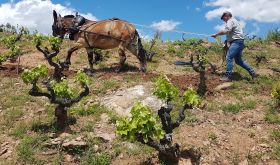
1912年に設立されたこの生産者は、チェスター・オズボーンの曾祖父によって設立され、1927年からワイナリーが稼働している。現在、家族は200ヘクタール(494エーカー)以上を所有し、すべてオーガニックとバイオダイナミック農法を実践している。これによりオーストラリア最大の認定バイオダイナミック栽培者となっている。ダーレンバーグは40を超えるブドウ品種を扱い、約70種類の異なるワインを生産している。このオペレーションを他のオーストラリアの生産者と大きく異ならせているのは、規模と革新が企業グループに飲み込まれることなく、依然として家族経営によって実現されていることだ。
ダーレンバーグの個性は、すべての赤ワインと白ワインがバスケット・プレスで圧搾されているという事実によって際立っている。これは大規模ワイナリーでよく見られる現代的な空圧式/ブラダー・プレスよりもはるかに古く、小ロット向けのシステムだ。赤ブドウに使用する場合、バスケット・プレスは小ロットながら高品質のプレス・ワインを生産すると見なされることが多い。しかし白ワインでの使用ははるかに一般的ではない。全体を通じて開放発酵槽が使用され、生産者の赤ワインの100%が発酵の3分の2ほどの段階で足踏みされている。
彼らのダイナミックなアプローチは、2003年にザ・キューブ (The Cube)(写真下)を設置したことでも見ることができる。5階建てにわたるこのビジター・センターは、避けられないテイスティング・ルームやワイナリー・レストランを超えて、感覚室や「バーチャル発酵槽」を含んでいる。非常に興味深く聞こえる。

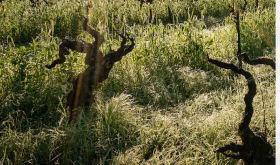
同社の最も象徴的なワインであるデッド・アーム・シラーズ (Dead Arm Shiraz) は1993年に初リリースされた。古樹が菌類病のユーティパ枯死病 (Eutypa dieback)から受けた影響の結果として名付けられたデッド・アームは、その評判を考えると今でも驚くべきコストパフォーマンスを示している。確実に最初期のオーストラリア・ワインの一つ(ヒル・オブ・グレース (Hill of Grace)、グランジ (Grange)、オールド・ブロック・シラーズ (Old Block Shiraz)(セント・ハレット (St Hallett))、ロックフォード・バスケット・プレス・シラーズ (Rockford Basket Press Shiraz) と並んで)で、憧れの頂点に立っていた。それらすべてを買う余裕がなかったのが残念だった!
ダーレンバーグのレンジは現在、バリュー・ワインやミッド・ティア・ワイン(ザ・フットボルト・シラーズ (The Footbolt Shiraz) やザ・ハーミット・クラブ・マルサンヌ/ヴィオニエ (The Hermit Crab Marsanne/Viognier) など)から、マーケティング部門が「ザ・ラディカルズ (The Radicals)」(マザー・イン・ローズ・タン・カベルネ・ソーヴィニヨン (Mother-in-Law's Tongue Cabernet Sauvignon) を含む)や「ザ・ハイ・アルティテュード・ヒルビリーズ (The High Altitude Hillbillies)」(ザ・フェラル・フォックス・ピノ・ノワール (The Feral Fox Pinot Noir) が見つかるかもしれない)といった多様な名前のグループ内にリストアップするものまで幅を広げている。
品質スケールのさらに上では、名前はさらに風変わりになる。セラー・ドアでは、100オーストラリア・ドルと150オーストラリア・ドルで(それぞれ)ザ・ヴォシフェレート・ディプソマニアック (The Vociferate Dipsomaniac) とザ・アザー・サイド (The Other Side) を購入できる。どちらも単一畑のシラーズ (Shiraz) の例だ。200オーストラリア・ドルでは、ダーレンバーグのシラーズ、ルーサンヌ (Roussanne)、マルサンヌ (Marsanne)、ヴィオニエ (Viognier) のプレミアム・ブレンドであるザ・オールド・ブローク・アンド・スリー・ヤング・ブロンズ (The Old Bloke & Three Young Blondes) や、サグランティーノ (Sagrantino) とサンソー (Cinsault) の意外なブレンドであるザ・アサザゴラフォビック・キャット (The Athazagoraphobic Cat) といったさらに興味深いワインを味わうことができる。

現実に戻ると、2021ハイ・トレリス・カベルネ・ソーヴィニヨンは古樹のカベルネ・ソーヴィニヨン(これらの樹の一部は1912年まで遡る)から造られるコストパフォーマンスに優れたワインで、房は優しく破砕された後、5トンの開放発酵槽に移される。ブドウは足踏みされた後にバスケット・プレスで圧搾され、発酵は古いフレンチ・バリック (French barriques) で完了する。この伝統的なアプローチで15ポンドという真のバーゲンで、完成したワインはこの価格帯で期待されるよりもはるかに繊細さとエレガンスを示している。
ダーレンバーグが家族の手に残り続け、革新を続けながら高品質と優れたコストパフォーマンスを兼ね備えた特徴的なワインを生産し続けることを長く願っている。
すべての画像はダーレンバーグとその米国輸入業者オールド・ブリッジ・セラーズ (Old Bridge Cellars) の提供。
ダーレンバーグのハイ・トレリス・カベルネは長い間私たちの定番の一つだった。ジャンシスは2005年に2002ヴィンテージを今週のワインに選んだ。メンバーは私たちのテイスティング・ノート・データベースでダーレンバーグ・ワインのより多くのレビューを見つけることができ、またはマクラーレン・ヴェール・ワインのより広い世界を探求することができる。