I’m assuming you are interested in wine. If so, you will have noticed that it comes in two different styles nowadays.
One is full-throttle, concentrated and makes an impression because of its mass. It’s highly likely to have been made to resemble the sort of wine that was most admired in the 1990s. Ripe fruit is what it most obviously expresses.
This style of wine was probably aged in oak, very possibly new barriques, and may well be based on one of the well-known international grape varieties such as Cabernet or Chardonnay.
The other style of wine one comes across nowadays is what we might call ‘twenty-first century wine’, wine that’s less obviously ripe, higher in acidity, lower in alcohol, lighter in colour and weight, made from grapes probably picked earlier and, instead of being dominated by fruit, it may well finish with a little texture, something akin to wet stones or graininess.
A twenty-first century wine is more likely than a 1990s one to be made from more obscure grape varieties than the familiar, well-travelled international ones, very possibly indigenous to the region where the wine was made.
A subsection of these new wines are natural wines, wines with a minimum of additions – so minimal sulphites added to keep the wine stable, no sugar added to make the wine more alcoholic (the once-common winemaking practice known as chaptalisation), no added acid to make a wine made in a hot climate taste fresher, no added tannin to give the wine structure, and so on.
As someone who tastes thousands of wines a year, and attends multiple professional tastings every week, I’m intrigued by this duopoly – a new phenomenon.
Mind you, many wines at the moment occupy a half-way position between the two styles, which can be the most comfortable position to be in. Producers in virtually all regions have been steadily moving away from the excesses of old to fashion wines with less alcohol and oak and a bit more definition and freshness. Think, for instance, of the difference between a typical St-Émilion of the 1990s and its equivalent today. Or the way Meursault has been put on the strictest of diets.
This has been mirrored all round the world. When did you last taste a thoroughly fat Australian Chardonnay? Even Argentine Malbec and Chilean Cabernet are fresher and more evidently influenced by the vineyard than cellar techniques than they once were.
In Italy Brunello di Montalcino is a particularly obvious example of a wine that has been restyled from the blockbuster, internationally influenced wines of the late 1990s to today’s much purer expressions of the local grape variety, Sangiovese in this case, and terroir.
From where I sit, often at my desk, working on a reference book about the wines of the world, it seems to me that there is one, very important, part of the wine world that has largely resisted the twenty-first century trend. Napa Valley, and some of its satellite regions in northern California, are still producing particularly concentrated, relatively late-picked wines – so late that the alcohol often has to be reduced – that are pretty similar to those that were made 20 years ago.
I can’t blame them for sticking to the recipe that has proved so successful. The cult Cabernets have a following of well-heeled devotees, many of whom have doggedly worked their way up a mailing list so that their annual allocation increases at about the same rate as the sky-high prices. And myriad less famous brands find a market at slightly lower but still high prices that are the envy of most of the world’s wine producers.
But I am particularly intrigued by wine professionals who now find themselves offering two very different styles of wine. The American group Jackson Family Wines is a particularly obvious example. It has become a hugely significant wine producer, with estates all over the world – particularly in California where it was born, having grown out of the success of Kendall Jackson Vintners Reserve Chardonnay, the prototype old-style big, sweet Chard. Today JFW owns admirably ambitious producers not just in California but also in Oregon (where it has become a major player), Chile, South Africa and Australia.
The contrast between the sort of wines being made by Jackson’s McLaren Vale subsidiary, Yangarra, one of the most out-there South Australian producers, already in 2012 certified biodynamic and using concrete eggs for fermentation, and some of the more full-on California projects within the Jackson Family portfolio could not be more marked.
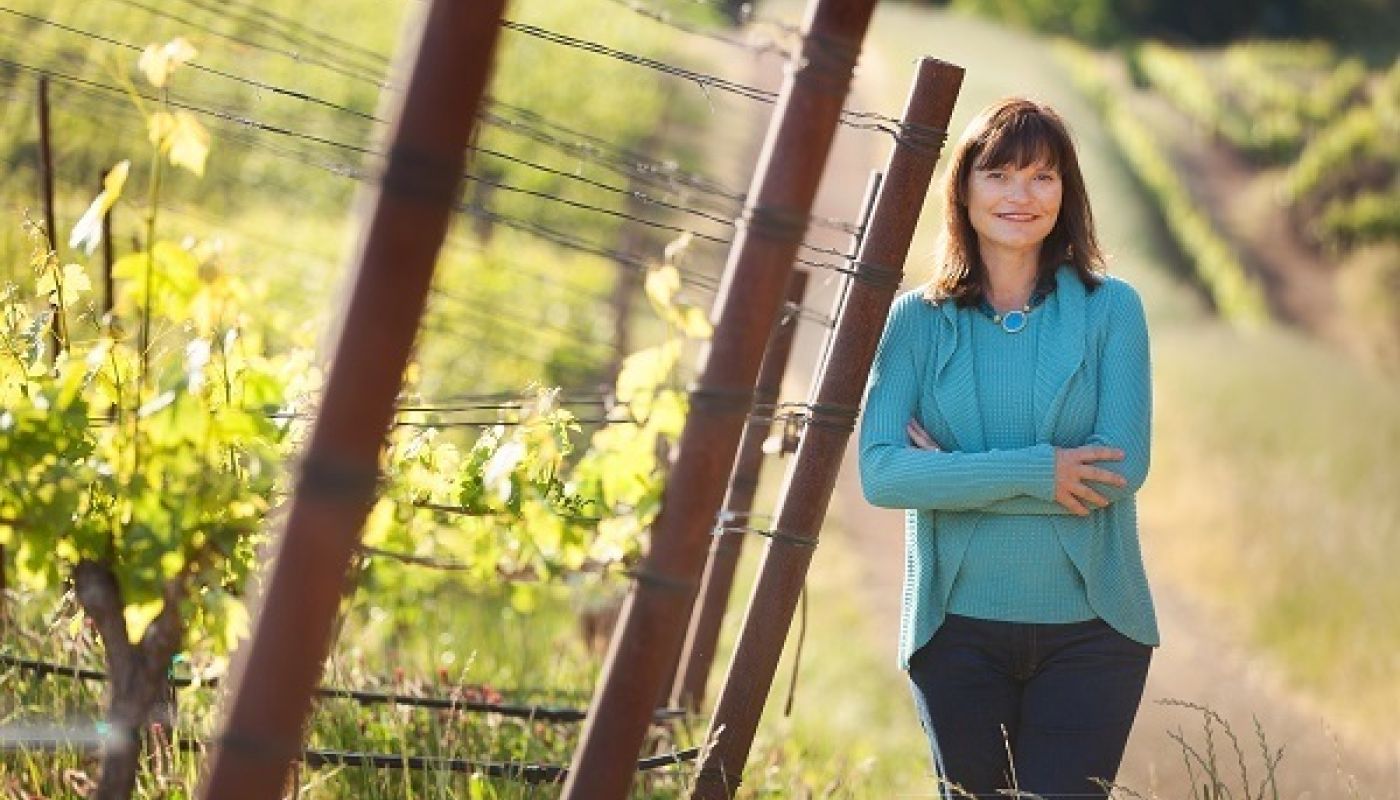
The whole empire is run today by Barbara Banke (pictured above), widow of Jess Jackson. I asked her how she felt about having such diversity of styles and ‘intention’, to borrow a word from Mike Bennie, Australia’s most vocal proponent of his country’s new-wave wines. She laughed easily and said she just let them all get on with it. She certainly gives the impression of being a businesswoman (and horse breeder of note) astute enough to see, and finance, the big picture, while skimming above the petty details. She was in the UK last October, incidentally, scoping out the English sparkling wine scene. English vignerons, take note.
But most of the hundreds of UK wine importers are firmly in one camp or another. Indeed the prominent Caves de Pyrène based just outside London probably owe some of their success to pioneering wines towards the natural end of the spectrum. When tasting the wares of Portuguese specialist Raymond Reynolds recently, however, I couldn’t help noticing the vast stylistic contrast between the wines of Dirk Niepoort (for whom freshness is now all) and the widely admired but much more traditional ones of Quinta do Vale Meão and Casa de Mouraz. How does Reynolds square this? Which style does he back?
He looked distinctly bemused by my question. Perhaps I am worrying unduly – and I should simply be concentrating on trying to signal clearly to my readers to which camp each wine I describe belongs.