
It is always revealing when one culture encounters another. I find I learn more about a region when viewing it through the eyes of someone coming from another one. That’s why I am always fascinated by how French wine people view their counterparts elsewhere, and never more than by what emissaries from the Bordeaux first growths have to say about their greatest competitors, producers of top Napa Valley Cabernets.
Bernard Portet crossed the Atlantic from Château Lafite to establish Clos du Val on the Silverado Trail way back in the early 1970s and is now part of the Napa Valley establishment. From the late 1970s there has been close co-operation between Mouton Rothschild and those who run their joint venture Opus One, just as Christian Moueix provided a bridge with Petrus on Bordeaux’s right bank when he developed the Napa Valley estate that produces Dominus. But earlier this year I happened to meet up in Napa Valley with two exiles from Bordeaux first growths and enjoyed their unique perspective on the world’s most cosseted wine region.
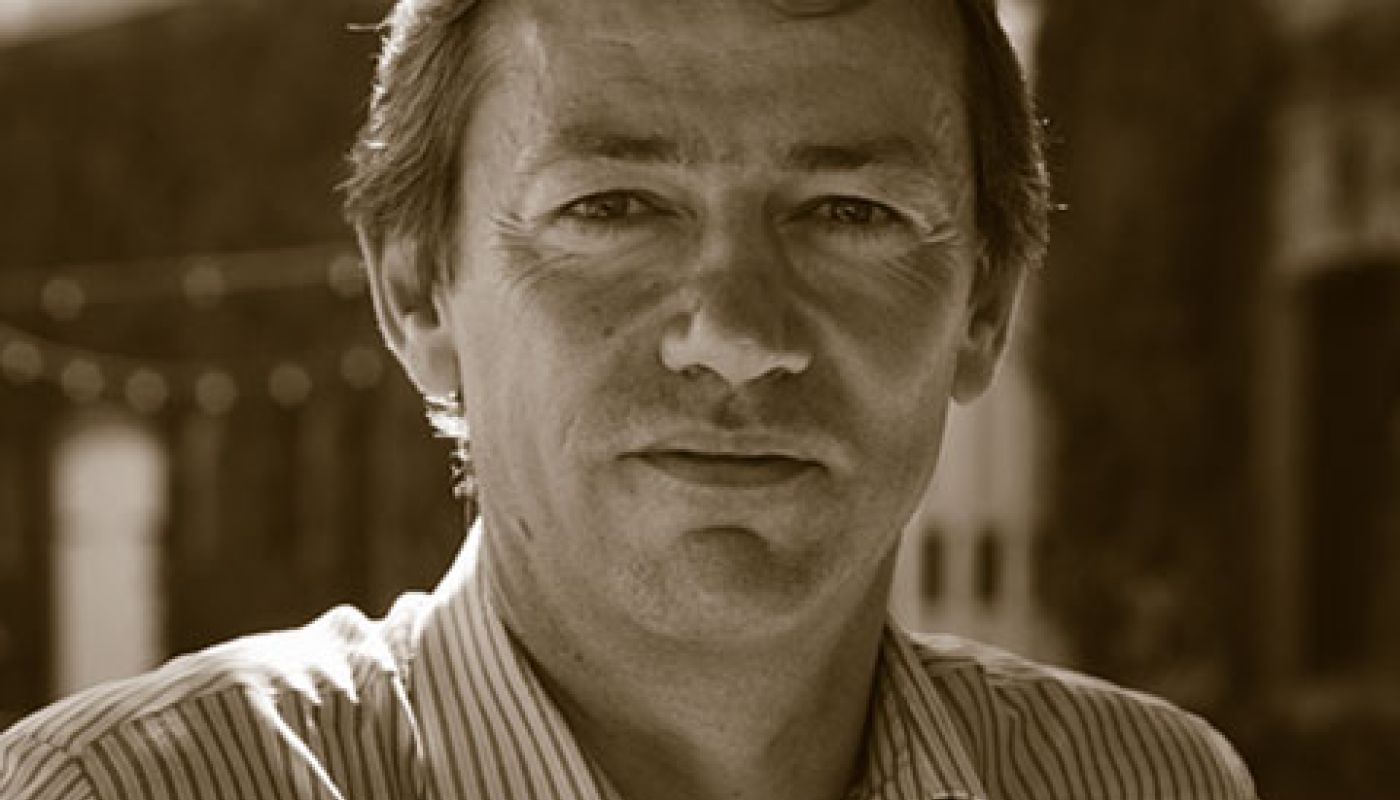
This is not the place to go into the vast amounts of money that have been pumped into Napa Valley over the past decade or so, nor the obvious results in terms of architecture and tourist traffic. I was more interested in wine quality. Neither Denis Malbec (ex Château Latour and now a wine consultant for Kapcsandy, Blankiet and Sodaro as well as making wine on his own account) nor Philippe Bascaules (pictured), who arrived at Francis Ford Coppola’s Inglenook in 2011 from Château Margaux, are fans of the super-ripe style of Napa Cab and it was interesting to learn their tactics for making more elegant wines.
Still a relative newcomer, Bascaules was number two to Paul Pontallier at Margaux and is already revelling in how much easier it is to effect change in the Napa Valley than in Bordeaux. ‘In Bordeaux it is difficult even for Paul Pontallier to change things because the team and tradition weigh so heavily. Here people are much more open minded and ready to change. Of course it is good protection for Bordeaux to go so slowly there, but here I really appreciate the efficiency and, particularly, the enthusiasm. It’s more exciting and easier than in Bordeaux. And for myself it’s exciting to have a goal that is well defined.’
In fact he was almost overwhelmed by the speed with which Coppola seemed to expect him to impose refinement on Inglenook’s wines. ‘I had to explain that I didn’t have all the answers. I needed to observe first and work out what exactly are the challenges.’
As one would expect nowadays, his real preoccupation is the vineyard. One of his first innovations was to substitute for half-tonne bins small boxes for the grapes to be picked into so as to minimise the danger of grapes’ being crushed before they reach the winery. And then he has had to get the measure of Napa Valley’s famous and famously skilled Latino vineyard workforce. His admiration for them and their enthusiasm is unbounded (‘they are very receptive; I tell them they are the most important part of winery’) but it has taken a year or two to work out how best to channel it all into wine quality.
When he arrived, the picking crew on Inglenook’s 235 acres (95 ha) were paid, as is the Napa norm, by the tonne. He was amazed by how fast they picked; he had never seen anything like it in Bordeaux. So speedy were they that there was little chance of any judgement as to which bunches should be left on the vine, and he felt too many leaves and fragments were making their way into the winery along with the grapes. ‘In 2013 I managed to introduce payment per hour, but then they picked so slowly! So I had to ask them to go a little bit faster. In 2014 I got to the right speed, so we hired a few more people and now the balance seems about right. We gave them a bonus to compensate for quality. The next step will be a bonus based on their whole year’s work not just on the quality of the grapes they pick, to be paid just after harvest because so many of them go back to Mexico for a while then. I’m sure having a permanent vineyard crew is best. ‘
I asked him whether he missed France. ‘I miss friends', he said, ‘but not the country itself. Even the food here is very good. It’s very easy to find everything I like.’ I wondered how often he drinks bordeaux and for the first time in an hour he laughed and shook his head. ‘I don’t drink bordeaux any more. I’m sure my palate is changing – which is part of the job. I’m not afraid to change. I don’t want to make a bordeaux wine here. Inglenook should and will make a California wine. I’m sure I have become a little more used to intensity and alcohol.’
I asked him whether he knew the other French people working in the valley such as Denis Malbec, Claude Blankiet, the team at Araujo, taken over by the owner of Château Latour in 2013, or Stéphane Derenoncourt, who has various Napa Valley clients, including Inglenook. ‘I try to meet with American people', he said firmly. ‘At the beginning I was a bit reluctant to meet lots of winemakers. I wanted to retain my own fresh view of things. But now it is time to have more exchanges about the ideas I have about making fresher wines. For example, I want to introduce fining. People here didn’t fine their wines because they wanted maximum concentration but I don’t think this is appropriate.‘ His 2012s and 2013s will be egg fined, and pruned and picked much earlier than the Napa norm (as reported in Less alcohol but no less flavour). He also believes that wines would be less concentrated if the fermentation tanks were taller.
Denis Malbec avoids the deliberately prolonged hang time that has become so fashionable in Napa vineyards too, and maintains that the biggest difference between them and their counterparts in Bordeaux is the soil. He says he finds soils such as at the Kapcsandy estate in Yountville where he consults are easier to manage. He harnessed lessons learnt from his grandfather at Latour to minimise the bad effects of 2011’s unusually high rainfall. To judge from the wines (tasting notes to follow), this Bordeaux experience has paid dividends.













