ゲスト寄稿者
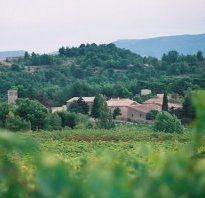
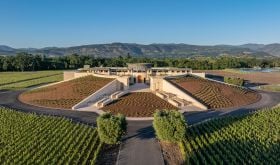
Graham Nutter of Ch St-Jacques d’Albas in the Minervois (pictured) sends this report of the 2008 vintage.
Summary: A year characterised by a highly variable climate and summer drought, giving a small but healthy and quality harvest.
The 2008 growing season in the Minervois was marked, like much of France, by both a cool spring and early summer, with cool nights, retarding flowering and later the budding. Short trousers were not de rigueur until July, late for this Mediterranean climate! Most notable was the below-average precipitation for the third year running, denying any meaningful replenishment of the water table. Consequently, water stress manifested itself in young vines throughout the summer, and later during the harvest for all vines, as they literally closed down into October and photosynthesis declined prematurely. All this led to problems with the final phenolic maturation of fruit, which, together with the sharp differences of temperature between night and day, made for highly variable dates for harvesting.
Summer was warm – but not hot – and characterised by no rain from mid June (unlike much of north west Europe). In fact, we can talk of a summer drought (yes, another one after 2007!), which older vines could cope with, given their deeper roots, but under which young vines suffer. In fact, we had to twice manually water some newly planted vines (AOC plantings are allowed to be watered during their first year, remember).
Our vines suffered little from disease, as much due to rapid intervention upon the slightest appearance of any oidium during May and June, as to the natural resistance of our vines under the Cousinie method (a ‘homeopathic’ approach: see www.cousinie.com for more details). However, many regional reports suggest that oidium has been a real problem elsewhere in the Languedoc unless it was treated immediately. Those who delayed or economised in spraying will have had a tough year. However, the dry summer conditions undoubtedly helped the region to minimise any subsequent disease, unlike in many of France’s other wine regions.
Leading up to harvest, the variable and dry weather led to the unusual phenomenon of tasting apparently ‘ripe’ grapes whose flesh was still high in acidity and low in sugars ie a highly heterogeneous maturing. Grapes were also small and lacking in flesh due to the lack of moisture. We started picking young Syrah and Grenache 15 Sep (a week later than normal) but then stopped for one week as the major plots of Syrah and Carignan just weren’t phenolically ripe. In the end, the harvest was a bit of a juggling act, waiting until the grapes ripened sufficiently but picking before the vines literally ‘sucked’ juice out of the grapes, under the ongoing drought. However, we were favoured throughout the harvest by north winds, clear skies and cool nights. No rain to talk about – nor hail, which was an issue in some higher parts of the Minervois.
Cellar management was a bit of a nightmare too, with small crops to fill the tanks and irregular ripening both between and within varieties, depending on their age and terroir. Given the small berries and high skin/juice ratio, cold soaks and light pumping over was exercised in order not to over-extract. This was a year for a light hand in the cellars.
The Syrah and Grenache is high quality, with small, intensely flavoured berries, but low in juice, while the Carignan and Mourvèdre had more flesh. Quantities are down 20%, given the lack of juice in the grapes, so any talk of a wine lake in the south of France is now history!
The indications are that our red wines will be fruity, concentrated and aromatic. White wines in the area are of excellent quality and good volumes, according to neighbours. Overall, 2008 is another quality year, following the wonderful 2007s. Now we have to pray for plenty of rain during winter.
「プロフェッショナル」プランの内容に加えて