The South African wine industry is an interesting one, filled with intrigue and opportunities. But it has often been on the receiving end of bad publicity – let alone the negative effects of the COVID-19 pandemic and the ban on alcohol production and sale. But being the resilient industry it is, it will bounce back.
In this assessment of the SA wine industry, my intention is not to paint a picture tainted by sour grapes, but rather to look at what the underlying opportunities are that may create a better scenario, and position the industry as a serious contributor to economic and social transformation. The intention is not to take away from the good work that has been done, but to demonstrate that much more is needed.
In her article A social progress report, Jancis reflects on transformation elements in the wine industry and articulates an overall assessment of how the industry is doing. Credit must be given to industry bodies such as Vinpro who have led and championed transformation in the industry even if much, much more is needed.
Transformation, which in a South African context refers to the process of changing racial, gender and economic status in the workplace to reflect the South African population demographics, is a sensitive subject. It is generally either embraced or feared. However, it is a reality and one that must be faced. Many have undertaken transformation projects with varying levels of contribution and success. Again these must be lauded. What is needed is to learn from, build on, and sustain them.
However, in undertaking an assessment of the industry and its contribution to transformation, we must ask, has enough been done and at the correct levels?
In Jancis’s report mention is made of social upliftment projects (again laudable), training undertaken by the industry, and the 60 Black wine producers in the sector. What must be assessed is what impact this has had on the industry overall. In my opinion none of this has had a significant impact on a multi-billion-rand industry with its thousands of producers and cellars.
The key elements of the Agri-BEE Charter and the factors that need to be implemented create a different picture, with social upliftment and training only one element. There are further, concrete elements that must be addressed.
Two key elements, namely enterprise and supplier development, require renewed focus. These two elements are designed to create opportunities for Black people or businesses to become participants in the wine value-chain, by creating viable and meaningful opportunities within current business arrangements. We have not seen much in the form of formalised and tangible results, with very few such initiatives undertaken and/or succeeding.
From a personal perspective, I have been part of three sets of discussions with entities within the wine sector. The intention was to form part of their enterprise, creating supplier development initiatives within their wine business, but sadly nothing happened, despite numerous meetings and concrete proposals being made. Discussions with other wine businesses merely ended with the phrase, ‘this won’t work’ and nothing further – not even an attempt to try or test the proposal. The unintended consequence of this is that transformation is seen as a social case rather than an economic opportunity to contribute to development in the sector. The impression that these attempts left with me was that there was no concrete opportunity for a person of colour to make it in the wine industry, this from an entrepreneurial perspective. It further illustrated that the barriers to transformation were far greater than I had previously thought.
This is not a perception of the industry in general but is a specific and personal case study where transformation can go wrong and can have negative consequences for the industry. It’s a case of a few bad grapes making the wine bitter.
I resented being depicted as a social case – begging to be given a business opportunity – which was not and is not the case. In putting forward a business case, the intention was to become part of a business, and in turn to be empowered by being a part thereof: no handouts, no sympathy, but a serious business case for transformation in the sector based on viability.
The industry is rich in opportunities to create a new segment of Black wine-industry entrepreneurs. Many of these opportunities are tangible and have value to them, but cannot be done if there is no genuine will or commitment to do so.
I am of the opinion that transformation in the sector is possible, not only at a social level, but more importantly at an economic level too. The industry does need to take a deep look at its ability to create Black-owned enterprises both up- and downstream of the value-chain (primary and secondary production together with economic opportunities), but this can be done only when there is a genuine and demonstrable desire to do so.
With the wine industry currently in a very difficult situation due to the coronavirus pandemic and its economic effects on the sector, the time is ideal to actively explore opportunities to undertake economic transformation within the wine industry. Maybe more so now than ever is the time to bring on board Black entrepreneurs who can assist the industry overcome the challenges it faces.
Transformation requires more than a one-size-fits-all approach. It is a process of moulding initiatives within the correct parameters (business, social, economic, etc) in order to foster a growing partnership and business opportunity.
The agriculture sector in general, and more so the wine sector, holds some of the greatest opportunities to unlock transformation, and create a really inspiring model for other industries to follow, but this can only be done if there are shared values, commitment and objectives to make it work.
What does the industry need? It needs a collaborative approach in order to bring on board businesspersons of colour who can make it work, but also open itself to assessing what has not worked and why, remedying this and moving forward. It is only by fostering the correct model, environment and opportunities to do so, that it will work.
Measuring transformation
Further, transformation is often interpreted in numbers, number of people supported, number of people trained, number of new entrants into the sector. This must be changed to include the impact this has had economically as well as socially, in other words, how many new Black entrepreneurs and businesses have been created in the sector and sustained, and how through transformation initiatives this has contributed to people and the sector’s development objectives.
To implement meaningful transformation the emphasis must be on fostering and nurturing business opportunities throughout the value-chain for previously disadvantaged persons. Businesses can be created only if there is a concerted effort to mentor, support and build them in partnership with experienced persons in the sector. Transformation is an active process, continually evolving, and must be based on the principle of a partnership for growth and prosperity.
The opportunities are there to do this, but must be led by effectively championing the need for real transformation that is beneficial to the sector – but is more importantly economically empowering (enabling entrepreneurship) for new Black participants who have not, or could not, form part of the industry.
In submitting this article, I hope that a renewed and inspired transformation narrative can be put forward, championed and, most importantly, implemented effectively.
There are many who are willing to undertake this, but finding synergy in doing so remains the greatest stumbling block.
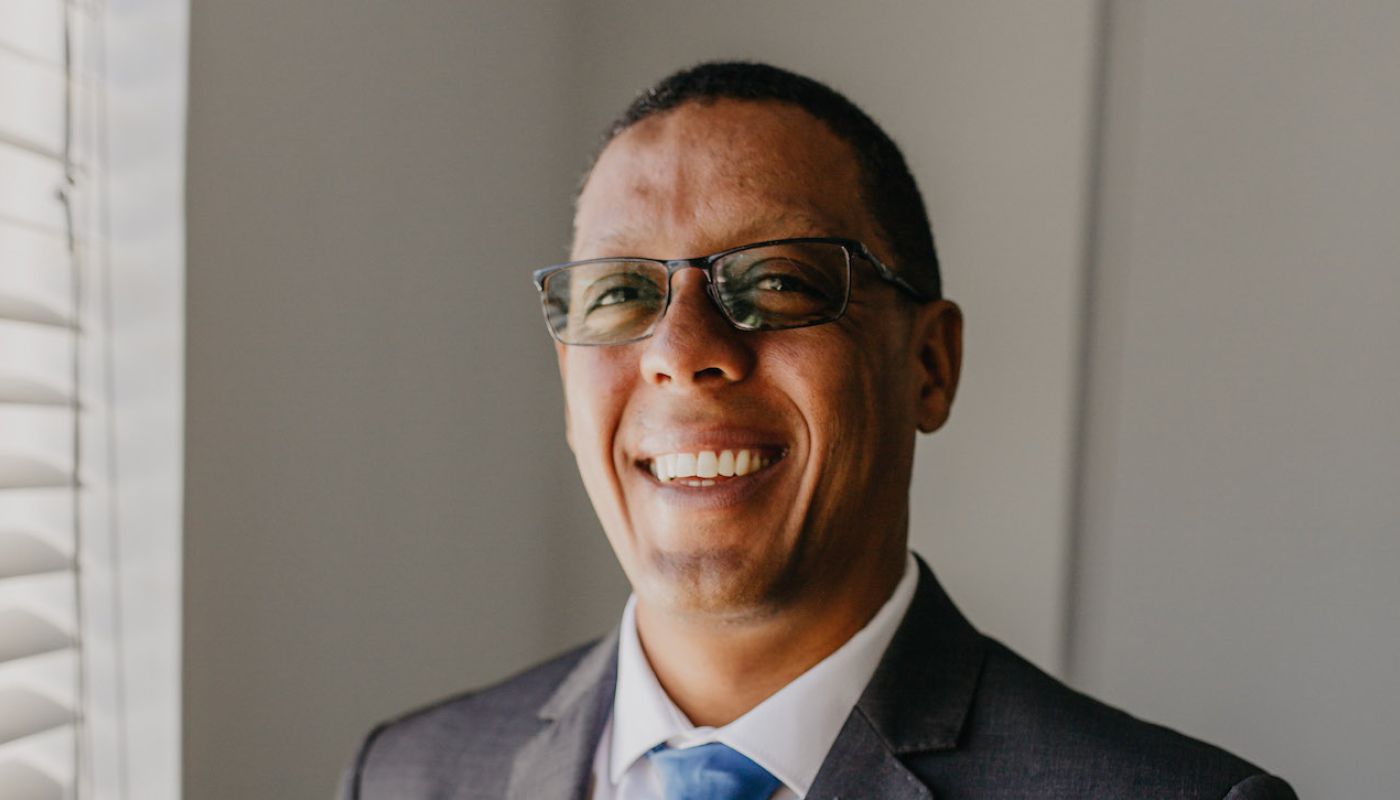
Elton Greeve has 24 years’ experience in the agricultural sector, both at government level and in the private sector. He owns and operates EMG Agri Solutions, a business that supports clients in the agricultural sector with agri-business solutions services.The business also focuses on Agri-BEE and assists clients with undertaking transformation and empowerment projects, assisting with the modelling, structuring, implementation and monitoring thereof. Elton lives in the Cape Winelands and has been involved in numerous initiatives within the wine industry, both at primary and secondary level.