
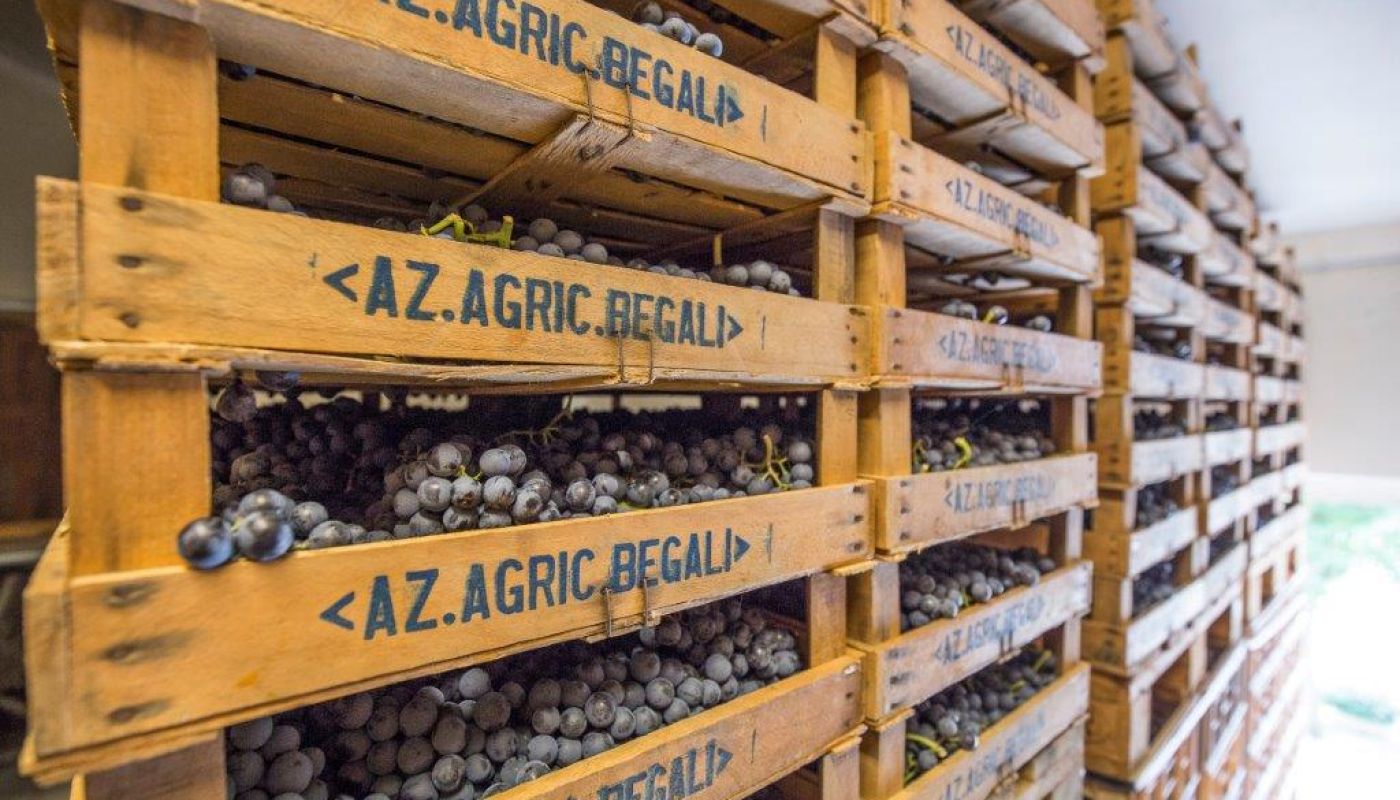
When researching Wine & The Food of Asia and trying to find the best matches for powerful spices, I often reached for ripasso. This is a particular style of Valpolicella, the famous red from Italy’s Veneto region. As all budding wine students learn, ripasso is made by ‘re-passing’ regular Valpolicella over the leftover grape skins from an Amarone fermentation, which uses partially dried grapes.
This beefs up what can ordinarily be a lightweight, simple style, imbuing it with the aura of Amarone without the high alcohol (and high price). I discovered that ripasso was ideally suited to match with flavoursome spices such as star anise, cinnamon, cumin and even chilli – and La Cengia 2022 from Begali is the perfect example, an archetype for Valpolicella ripasso. I just wish I’d discovered it before the book went to print.
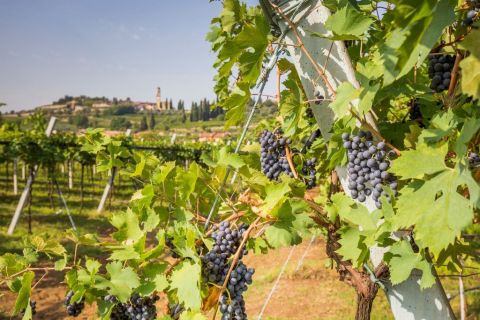
The production process follows the normal ripasso recipe. The wine starts life as the grapes above, pictured in the Begali family vineyard in Cengia, their tiny home village in the heart of the Valpolicella Classico appellation. They use 65% Corvina, 30% Rondinella and 5% other local varieties, which are picked with a minimum potential alcohol of 11%, giving them ‘superiore’ status.
After the initial fermentation, the young wine spends 10–12 days on the pomace of their Amarone, during which time a smaller second fermentation takes place, prompted by the sugar and yeast that is still present in the pomace. Then it is aged for one year in large old oak casks and then one year in bottle before release.
Beyond the re-passing, no special tricks are employed, so the sheer deliciousness of this wine must be credited to the quality of the fruit being grown by the Begali family. It’s now a third-generation affair, farming 12 ha (30 acres) of vineyard, although they started bottling their own wine only in 1986.
When I tasted the 2022 vintage earlier this month, I loved the cherry jam, soy, umami and light spice that jumps so willingly from the glass. It’s that combination of ripe fruit, spice and savoury notes that makes ripasso so useful for matching with spicy dishes. Because it is also relatively soft in acidity, with pH of 3.4 and total acidity of 5.3 grams per litre, it won’t clash with the capsaicin heat of chilli peppers. Prove it by serving the wine alongside Chairman Mao’s red-braised pork, which conveniently combines cinnamon, star anise and chilli in ideal proportions.
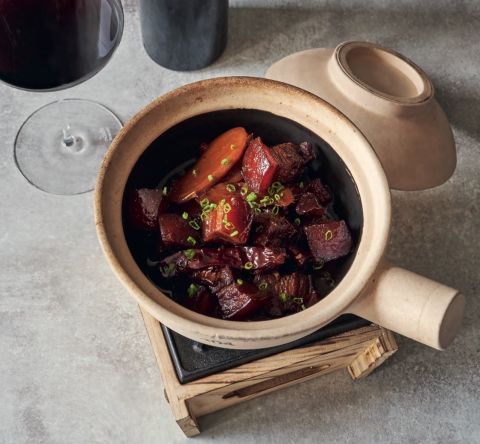
Begali’s La Cengia Classico Superiore 2022 Valpolicella Ripasso captures the opulence of Amarone in a fresh, streamlined body (despite 14.5% alcohol), and there’s a pleasingly long, fine-grained finish. I scored it 16.5, and Jancis gave it a full 17 points when she tasted it in November last year – with a note that it ‘might just go perfectly with our duck-based Chinese takeaway with hoisin sauce’. That’s close enough, I consider myself endorsed.
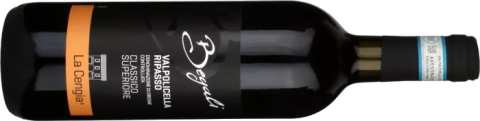
The 2022 vintage is imported into the US by Vignaioli Selection and available via Liquor Express in Washington DC. In the UK, plucky independent merchant Stone, Vine & Sun is the importer, and Angra have it in Singapore for SG$50. There is also good distribution across Europe – although not (yet?) in China.
There are reviews of nearly 150 ripasso wines in our tasting notes database – mostly from Valpolicella but including a couple of interlopers from Uruguay and South Africa.