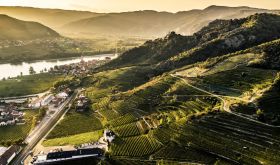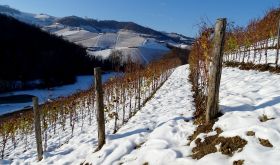
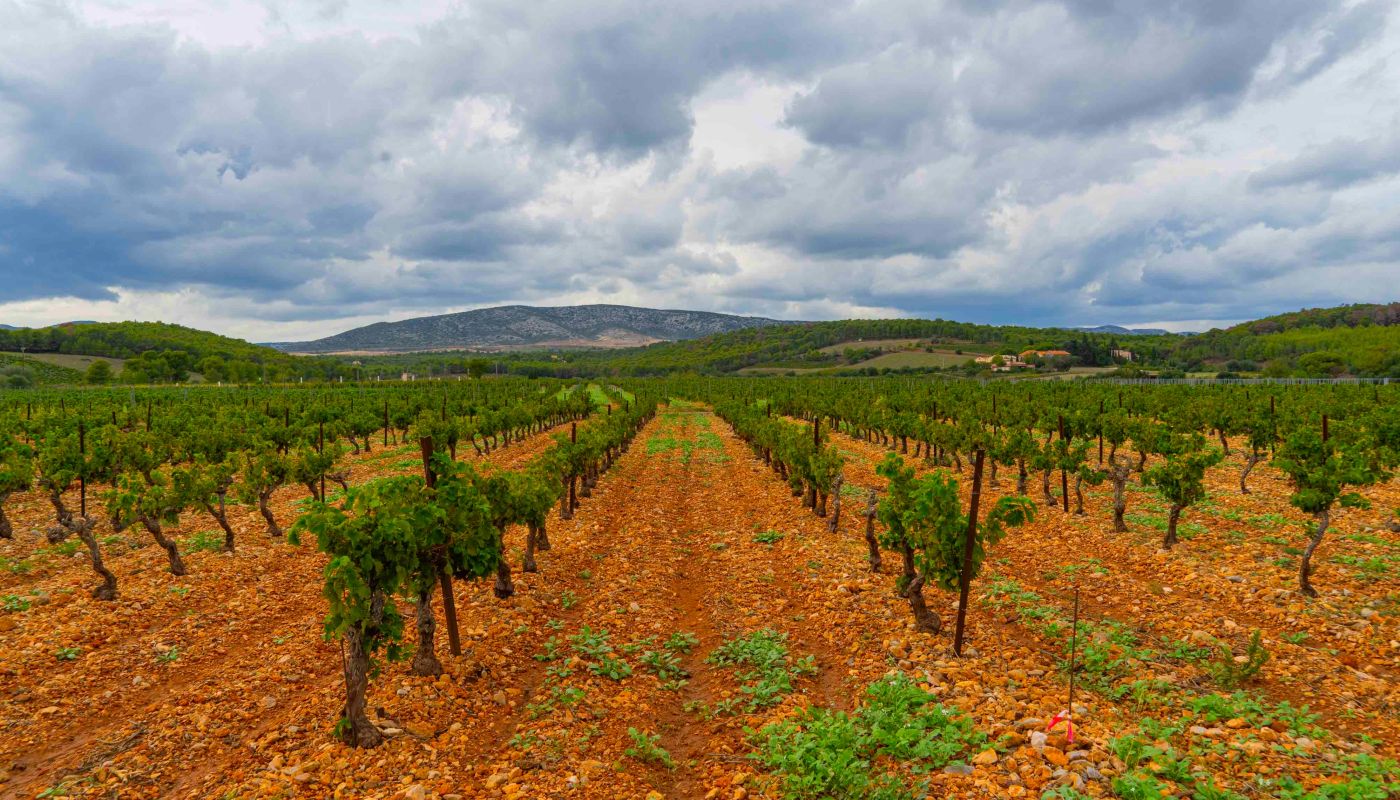
The Roussillon defies logic, chemistry and everything we know about winegrowing. From a region that is hot, dry (often drought-stricken) and rugged, come wines that are consistently fresh, elegant and mouth-watering. This can’t be explained by elevation or glacial-meltwater feed, cold winds or bitter winters. The grapes are much the same as those grown right across southern France, so the answer doesn’t lie in the varieties grown. The soils are not especially different from other hot, dry areas, so the key to the contradiction doesn’t seem to be hidden underground either. The freshness, to me, is magical.
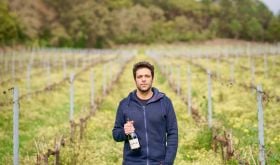
But it also has to do with the people who make wine in Roussillon, who are some of the most innovative, gutsy and gumption-gifted winegrowers I know. The Lafage family epitomises these things.
For more than two centuries the Lafages have been winegrowers in this wild-west frontier of southern France. The current caretakers, Eliane and Jean-Marc Lafage, took over in 2001, and have since grown the family business from 36 ha (90 acres) to over 300 ha (740 acres).
If you look back, Jancis has consistently mentioned them for over 20 years, included a very early pre wine of the week recommendation in which she wrote, ‘I feel like contacting the producer to tell them they’re being ripped off.’ Looking at the prices of their wines, including the gorgeous Centenaire that Jancis mentioned, nothing has changed there!
They’ve done much more than keep prices reasonable, though. By looking decades ahead, keeping open minds and investing a huge amount of capital, land, potential wine production and risk in running rigorous, academia-affiliated trials, they have become pioneers in environmental practices that help counter the ever hotter and drier climate in the region.
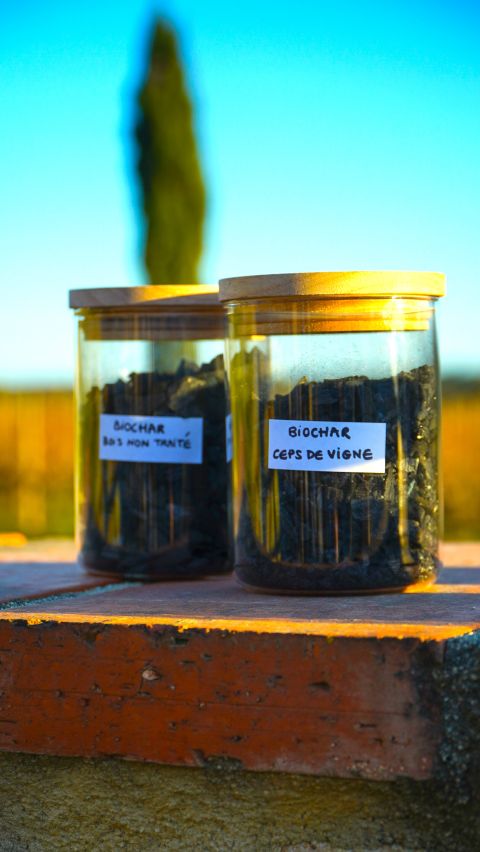
In 2021 they brought in Antoine Lespès to head up a new research-and-development division. Alongside implementing regenerative practices and trials such as native cover crops, sheep grazing, vermiculture and composting, nesting boxes, reduced tillage and biochar production and application, they set up a four-year research project with ADEME (the French Agency for Ecological Transition) to trial various water-saving solutions in viticulture. All the results of their trials are being shared publicly, to benefit winegrowers both regionally and internationally. Their entire estate is now AGW Certified Regenerative.
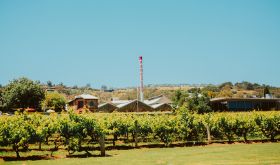
All this brings me to this week’s wine of the week: Domaine Lafage Moutou, a Syrah/Grenache blend with the IGP Côtes Catalanes. It comes from Crest, a vineyard just 15 km (9 miles) from the Mediterranean Sea, on a very stony, hot, dry plain between the Têt and Agly rivers.
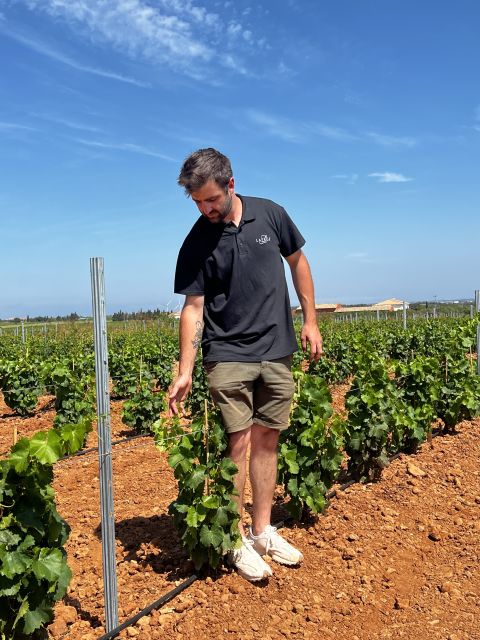
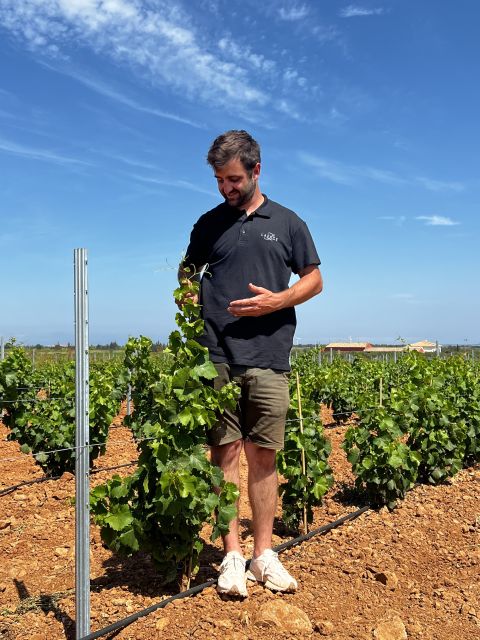
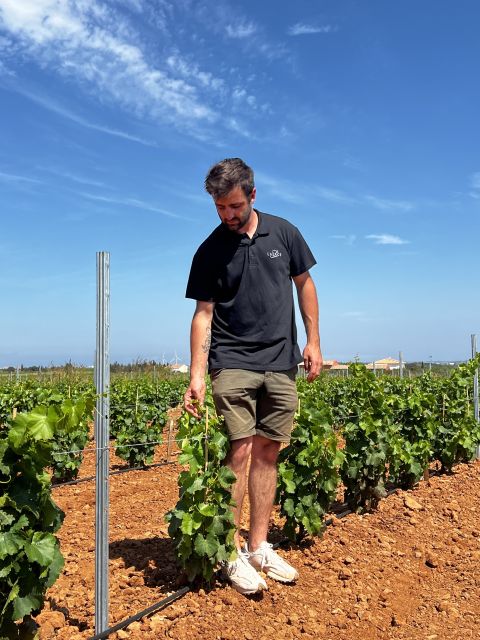
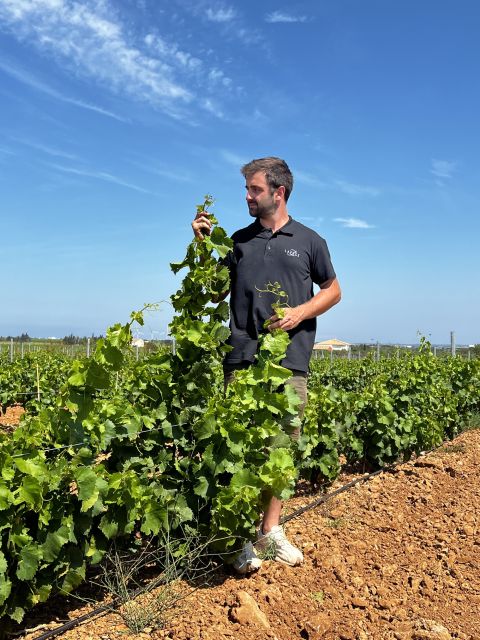
This vineyard is at the heart of Lafage’s biochar trial. The R&D team has split the vineyard into four sections. All four are planted in low density and see zero tillage. One control section is unirrigated, the other irrigated. The two other sections are (a) unirrigated plus biochar and (b) irrigated plus biochar. It’s early days but you can take a look at the photos below and draw your own conclusions.
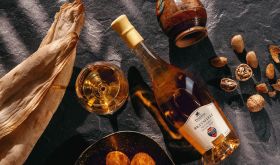
I have tasted the 2022, 2024 and 2025 vintages of this wine, and it is consistently generous and of its place, with long, languid muscle and slow-kiss sweetness. It glows with fruit. It has a quiet shimmer of spices. It’s complex, but not in an exclusive way. You could age it, but you don’t need to. You could sip it chilled with a smoked-duck salad or have it with sirloin. You could play the spice notes off a Sichuan curry or a salad of Puy lentils and goat’s cheese.
The fun thing is that, even though the wine is by pragmatic necessity a blend of the four trial sections of Crest, you are, by buying it, contributing to one of the most important water-conservation trials in the south of France.
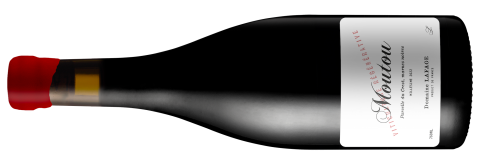
And, lucky for us, the Lafage family don’t do things by halves. The Crest vineyard covers 40 ha (100 acres), which means that it produces enough wine to make it available in the UK, the US, Belgium, Estonia, Germany, Italy, the Netherlands, Portugal and Spain.
Find many more recommendations for wines from the Lafage family – whether the estate wines (bottled under the domaine name) or the négociant wines (bottled under Famille Lafage) in our tasting notes database, or explore all of Roussillon’s offerings.