I’m not normally a fan of de-alcoholised wines for two reasons. First, many of the ones I’ve tasted were not just mediocre but at times simply faulty. Second, at a time when consumers are increasingly concerned about the sustainability of their food and drink, de-alcoholised wines are the very opposite, as they undergo such an enormous amount of technical manipulation and use up a huge volume of water in the process.

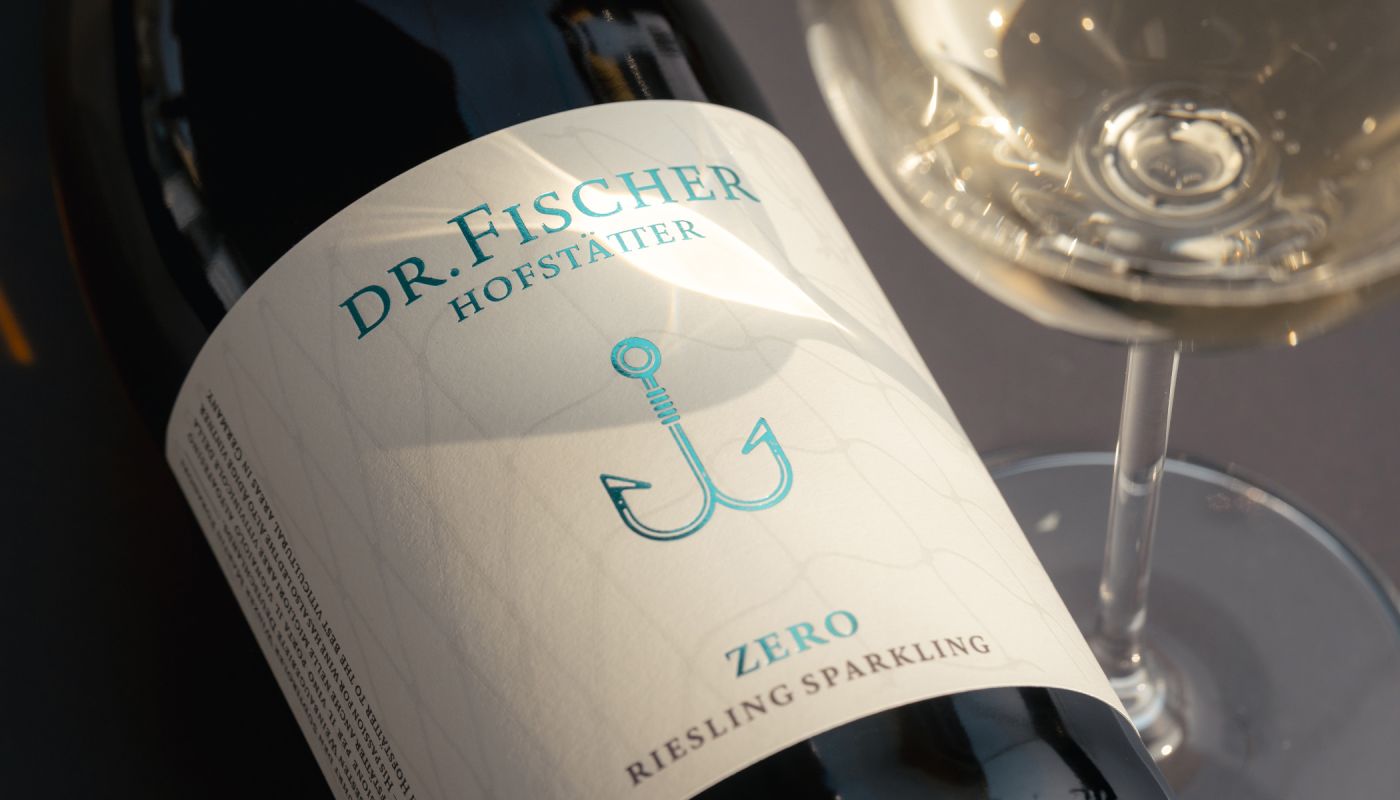
But Dr Fischer, a partnership started between Martin Foradori of Tenuta J Hofstätter in Alto Adige and Nik Weis of St Urbans-Hof in Germany’s Mosel (who has since handed over his share to his cousin Peter Mertes of the Johann Peter Mertes estate in Kansem), have produced a convincing de-alcoholised wine: Dr Fischer Zero Sparkling Riesling, which is made by vacuum distillation because, according to Foradori, much less water is used during the process than with reverse osmosis.
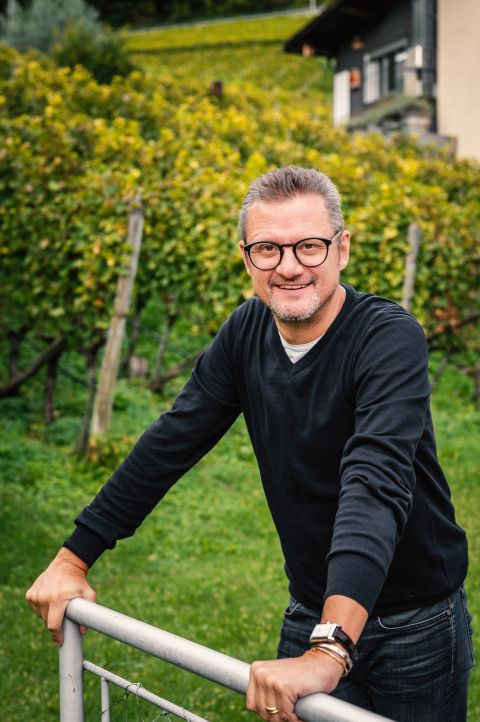
Note that the wine doesn’t actually say ‘wine’ on the label. That’s because Zero was put on the Italian market before the term vino dealcolizzato became legal. Italy has been struggling with the very idea of de-alcoholised wines because, according to many Italian producers, a wine without alcohol simply isn’t wine anymore. But a perceived market demand, combined with Italian cellars literally bursting with unsold wine (at the beginning of 2026 reportedly the volume of an entire national harvest, around 56 million hl) has led to several law changes, the most important one that vino dealcolizzato now officially may appear on labels. (It has taken Rome much longer to decide how to tax these drinks that previously contained alcohol, something, I must say, I hadn’t thought about.)
What hasn’t been relaxed is the rule requiring that the de-alcoholisation process take place in a separate cellar or building. This additional investment comes on top of the very expensive technology the process requires. Therefore, several producers who make this type of wine have their wines de-alcoholised in contract facilities in Germany, where this type of wine is apparently hugely popular.
Foradori’s first foray into de-alcoholised wines was in 2020 with the release of Steinbock Riesling Zero, a sparkling wine made of Riesling grapes from the Mosel and produced in a German contract facility. With the release of the Dr Fischer Sparkling Riesling Zero, Foradori has taken things a step further by using only estate-grown grapes that are of Kabinett-level ripeness. The residual sweetness (about 30 g/l) is natural and the wine has received no additives of any kind.
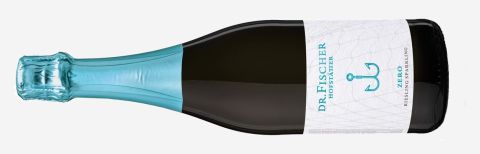
The result is an impressively appetising, honeyed white with lots of acidity, a suggestion of petrol and lively bubbles. Although it may not be an easy match for main-course meals, it might go well with a sweetened summer fruit salad. Where it will do the trick fantastically is as an aperitif, and it is surely to be welcomed by all those who, avoiding alcohol, find themselves limited to orange juice or mineral water.
The label does not bear a geographical indication of origin as this is considered sacrilege for a de-alcoholised wine in Italy – but it is about to become legal in Germany. Not only will this ensure greater value and traceability for the wine in the bottle, but also, Foradori believes, it will help the consumer to distinguish between de-alcoholised wines and the many beverages obtained from grape musts enriched with aromas and other ingredients (which would not be allowed geographical labelling).
Foradori tells me that he has no plans to produce de-alcoholised wines in Alto Adige – not so much due to Italian red tape but because he finds that the process of de-alcoholisation works best with aromatic varieties. In Alto Adige the only aromatic variety is Gewürztraminer, which costs far more per kilo than Mosel Riesling, and would push the final product over the crucial €20 threshold.
With a production of 200,000 bottles, Foradori’s Zero and Steinbock wines make up a whopping 80% of all de-alcoholised wines sold in Italy alone.
Dr Fischer Zero is widely available in Europe from €15.99 per bottle, and in the UK via Vino.com for £17.30 and Xtrawine for £19.50. If you can’t find the Dr Fischer Zero in your market yet, the Steinbock Sparkling Riesling Zero will do. With its lively bead and pleasant balance between sweet and tart fruit, it’s better quality than most non-alcoholic sparklings, and at a very reasonable price (from £12.70 in the UK and $11.99 in the US).
Find Steinbock Sparkling Riesling Zero
For more no- and low-alcohol options, see our tasting notes database, and use the alcohol slider filter to sort by alcohol level.