In choosing a bottle, I will admit that I’m very easily seduced by two things: something off-piste and something with a great story. One of my local shops knows me all too well, then, when they recently proffered a bottle of Paşaeli’s 6N Old Vines Karasakız. This is a wine that hits both targets, and then some: an ultra-rare variety, a legendary ancient landscape and a very determined producer.
The first remarkable thing about this wine is its origin – a mere 20 km (12 miles) from the site of the city of Troy. The vineyards where Paşaeli grow the Karasakız variety are situated in Gedik just to the north of Kaz Dağları, which, to those of a Homeric persuasion, may be more familiar as Mount Ida, playground of the Olympians, seat of Zeus and home to many a bucolic scene in The Iliad.

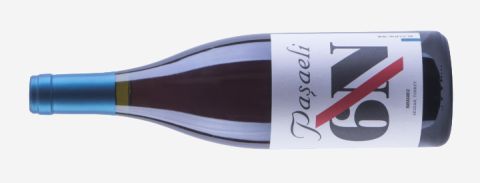
Homer’s descriptions of the mountain’s many springs and natural abundance are not far removed from the place, 3,000 years later, much of which today is a national park. However, the modern world has inevitably encroached: the name of the wine, 6N (with a thick red line through it), is a reference to destructive gold mining in the same area and winery owner Seyit Karagözoğlu’s vehement opposition to it. Six is ‘altı’ in Turkish, which along with the final ‘n’ makes the word for gold, ‘altın’; the meaning of the crossing-out explains itself!
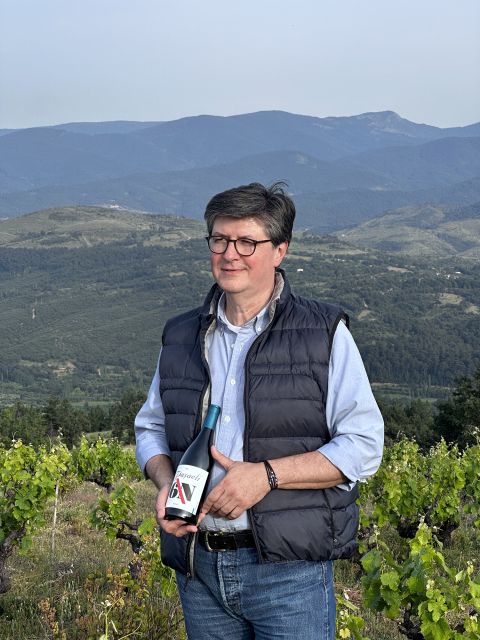
The strident message is part and parcel of Paşaeli’s approach, which, as Karagözoğlu puts it, is ‘to revive and protect Türkiye’s viticultural heritage’. This is a winery that takes its environmental duties seriously – no irrigation, no herbicides or pesticides, the preservation of biodiversity and soil health.
But, what’s particularly fascinating is Paşaeli’s work with indigenous varieties. The winery itself is in İzmir, but they have vineyards in five other locations from Thrace, down the Aegean coast and then inland in western Anatolia. Paşaeli were the first to bottle a roll call of local varieties like Karasakız, Yapıncak, Sıdalan and Aşıkara, and they’ve been instrumental in reviving Çakal and Kolorko. (Karagözoğlu’s efforts with this last variety – and its surprising identification as Furmint – was the subject of an unmissable piece by Dr José Vouillamoz in February.)
Paşaeli’s work is all the more remarkable given that Türkiye’s wine industry is effectively besieged by a government that does everything it can to stymie the country’s producers – read Jancis’s 2024 dispatch from Türkiye for more on these struggles. And yet, against the odds, and thanks to the efforts of people like Karagözoğlu, we are lucky enough to have access to some of Türkiye’s plethora of local gems.
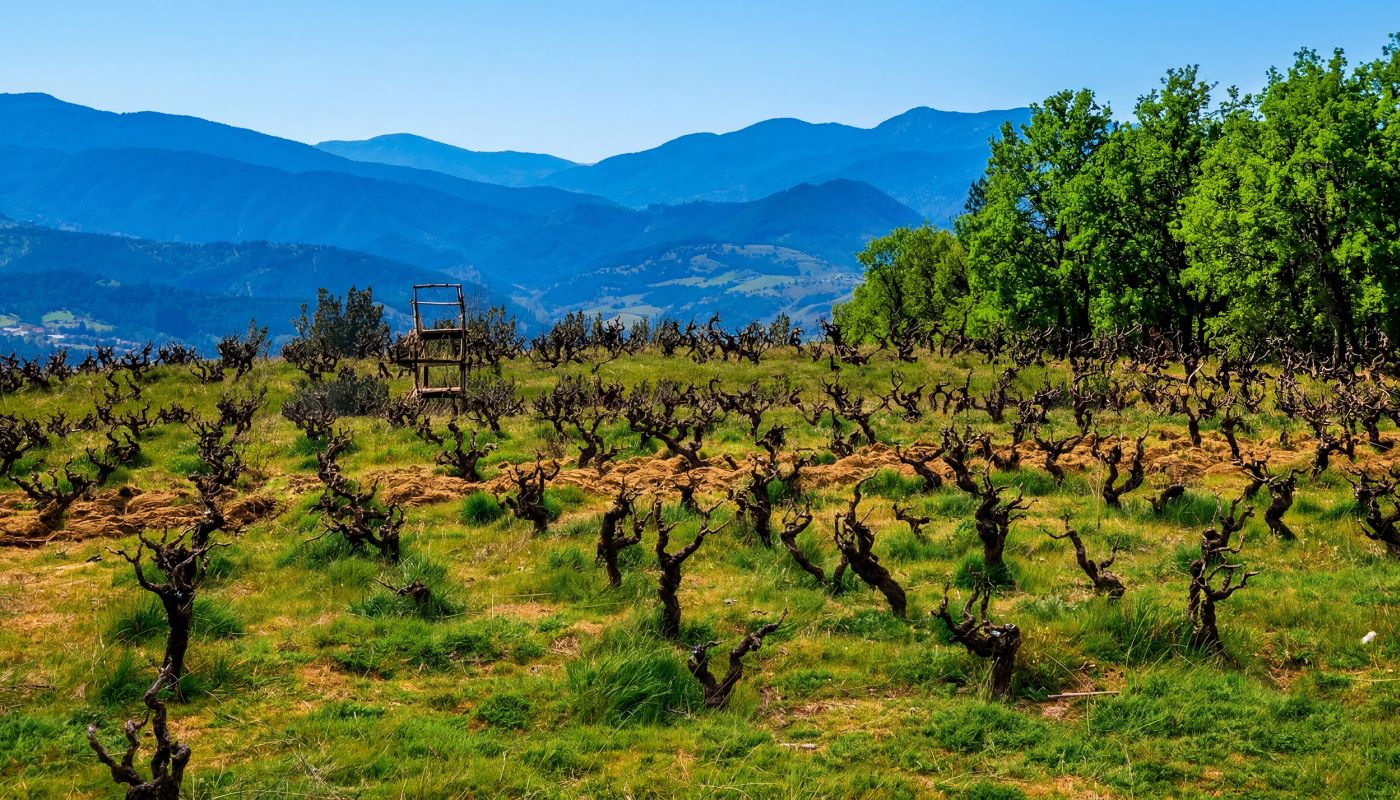
Karasakız itself is a thin-skinned black variety that was in the past widely planted in Çanakkale Province (where Paşaeli’s Gedik site is located) and used for distillation by the state monopoly. But, when the monopoly shuttered, many vineyards were abandoned. Karagözoğlu came knocking in 2009 on the hunt for local varieties and began sourcing from vineyards around then village of Gedik. These were bush vines, mostly south-facing, planted in the early 1980s at around 500 m (1,640 ft) of elevation. The area has the warm, dry climate of the eastern Mediterranean, but with cool air descending from Kaz Dağları (Mount Ida). When the site came up for sale in 2019, Karagözoğlu picked it up immediately. DNA testing, carried out by Dr Vouillamoz, confirmed that Karasakız is indeed indigenous to the area. Karagözoğlu aims ‘to preserve the identity’ of the grape and the place with ‘careful, minimal’ winemaking: fermentation is in stainless-steel tanks with 20 days of skin contact and the wine is then aged in the same vessels for 8 months.
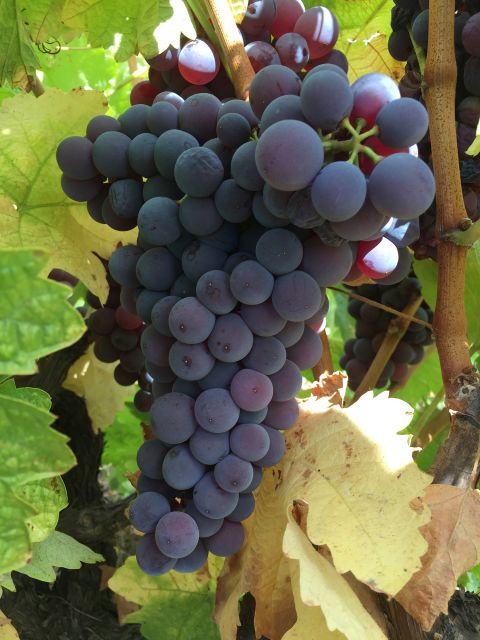
If purity is the aim of the 6N Karasakız, then Paşaeli has certainly achieved it. And the results have received enthusiastic reviews and high scores over the years from the JR.com team. (You will also see early versions blended with Merlot, but this has been a monovarietal wine since 2022). As Julia noted in her review of the 2024, the latest vintage is perhaps not as overtly perfumed as previous years – it was a hot growing season with three heatwaves after all. But it is still a beautifully delicate, dancing, ethereal wine. From its shimmering, transparent amaranth colour to the layered, pinpoint-accurate red-berry fruit with just a dusting of spice, it’s a real joy. It has mouth-watering freshness that builds on the palate, perhaps more reminiscent of a white in its refreshment than a typical red, and with remarkable persistence. Vital and vibrant from beginning to end.
Lightly chill it in the fridge and this will see you deliciously through a summer of terrace lunches (and at 13.5% abv, it’s certainly not too heady). With all that bright acidity – and no real tannin to speak of – this is one of those reds that would make a fantastic partner for fish: seared tuna or, if you find yourself on the corniche in Istanbul, the superlative local speciality fish sandwich – balık ekmek.
Given the difficulty of promoting Turkish wines, both at home and away, it’s yet another testament to Paşaeli’s tenacity (and the quality of the wines) that the 6N Old Vines Karasakız is available through Amathus in the UK (£24.50) and Skurnik Wines in the US. (A word of caution: some sites still list the wine as containing Merlot, though this hasn’t been the case since 2022.)
For more wine recommendations from Türkiye, see our tasting notes database.