この記事は、できるだけ早くお届けするためにまずAIで翻訳したものです。今後はAIに教育を行うことでその精度を上げること、それと並行し翻訳者が日本語監修を行った記事と、AI翻訳のみによる和訳記事を明確に分けることで、読者の皆様の利便性を最大限に高めることを目指しています。表現に一部不自然な箇所がある場合があります。ご了承ください。
災い転じて福となすということがある。ナパ・ヴァレーを煙の幕で覆った2020年の壊滅的な山火事は、その年のワインの多く(すべてではない)に汚染をもたらし、ブランド・オーナーたちは販売するワインが深刻に不足する事態に陥った。多くの生産者が不足分を補うために南に目を向け、サンタバーバラ郡のワインが突然注目を集めることになった。これらのワインは一般的に、ソノマ、特にナパ・ヴァレーのワインよりも軽やか、フレッシュで、しばしば安価である。まさに時代の流れに合っているのだ。
カリフォルニア州北部のこれら2つのワイン産地は、世界第4位のワイン生産地である同州において不釣り合いなほど注目を集めている。今日、冷涼な気候は洗練されたワインと結び付けられている。世界ワイン地図のカリフォルニア概観などの地図を一見すると、サンフランシスコ北部の土地は、300マイル南でロサンゼルスからそう遠くないサンタバーバラよりもはるかに冷涼な気候であるように思われるが、それは誤解を招くものだ。
なぜなら、珍しいことに、サンタバーバラ郡のワイン産地の西端部は、西の海から隔てる海岸山脈がないため、ソノマ・コーストの荒野を除けば、カリフォルニアのほぼどこよりも冷涼だからである。ソノマ・コーストも確かに非常に優れたシャルドネ (Chardonnay) とピノ・ノワール (Pinot Noir) を造ることができるが、そこの孤立したブドウ畑に到達するには車の車軸を折る可能性がある。一方、サンタバーバラ郡のブドウ畑はすべて、温暖な大学都市サンタバーバラとその隣町モンテシート (Montecito) から容易にアクセスできる場所にある。
サンタバーバラ郡の最西端のアペラシオンであるサンタ・リタ・ヒルズ (Sta Rita Hills)は、太平洋からの侵入によって日常的に冷却されている。ここの太平洋は、ハワイやタヒチの海岸を穏やかに洗う海ではなく、氷風呂のような海だ。毎朝、サンタ・リタ・ヒルズは寒く霧に覆われる。地元で「マリン・レイヤー」と呼ばれる(外部の人には霧)この現象は昼食時まで続く。午後には太陽が顔を出すが、確実に強い海風を伴い、これが熟成を遅らせる。そして午後5時頃には再び霧が立ち込め始める。緯度はサンタバーバラ郡の気候の指標にはならないのだ。
著名なワイン生産者エティエンヌ・ド・モンティーユ (Étienne de Montille) がブルゴーニュ以外への拡張を望んだとき、彼はアメリカ西海岸全体を調査し、オレゴンとソノマ・コーストを検討した後、最終的に洗練されたピノ・ノワールとシャルドネのラシーヌ (Racines) ラベルのためにサンタ・リタ・ヒルズを選んだ。
しかし、サンタ・リタ・ヒルズの最西端部分は、決してサンタバーバラ郡南部のワインの全貌ではないことを言っておかなければならない。内陸に1マイル進むごとに平均気温は華氏1度上昇する。そのため、東西35マイルにわたるブドウ畑の範囲内で、ピノ・ノワールとシャルドネの産地から、晩熟のカベルネ・ソーヴィニヨン (Cabernet Sauvignon) を生産できるほど温暖なハッピー・キャニオン (Happy Canyon) アペラシオンまで移動することになる。
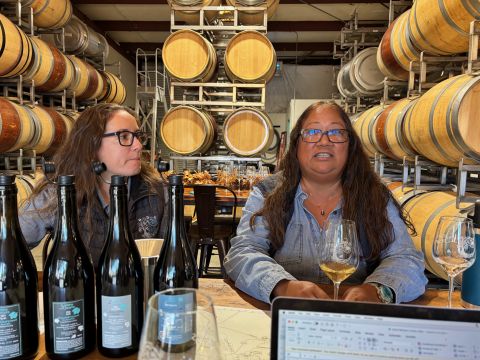
タラ・ゴメス (Tara Gomez) は、自分の部族であるサンタ・イネス・バンド・オブ・チュマシュ・インディアンズ (Santa Ynez Band of Chumash Indians) のためにワインを造った最初のネイティブ・アメリカン・インディアンだった。部族がワイン生産から撤退するまで(カジノ経営の収益の方がはるかに迅速だから)。妻のミレイア・タリボ (Mireia Taribó) とともに、彼女はここのほとんどの生産者と同様に購入ブドウからカミンス・2・ドリームス (Camins 2 Dreams) ワインを造るチームの一員だ。最近の数日間の滞在中に彼女が私に語ったところによると、サンタバーバラ郡では気候と可能なブドウ品種が非常に多様なため、「お菓子屋の子供」のような気分だという。
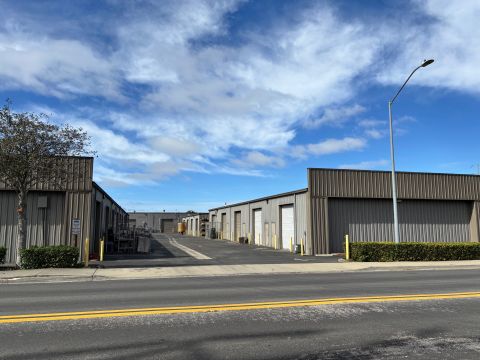
ブドウの樹はここで幸せかもしれないが、ワイン醸造家たちは異常に制限的な環境で苦労している。ワイン生産者は独特に低いエタノール排出基準値に直面しており、これを超えると手数料と罰金の対象となる。これは歴史的に、大手生産者が郡外でワイン醸造を行うことを促してきた。また、ワイナリーが存在するためだけに植えなければならないブドウ畑の面積に関する厳格な要件があるため、ブドウ畑を併設しないワイナリーは、郡の制限が適用されない市境内の工業団地の風情のない倉庫に集まる傾向がある。

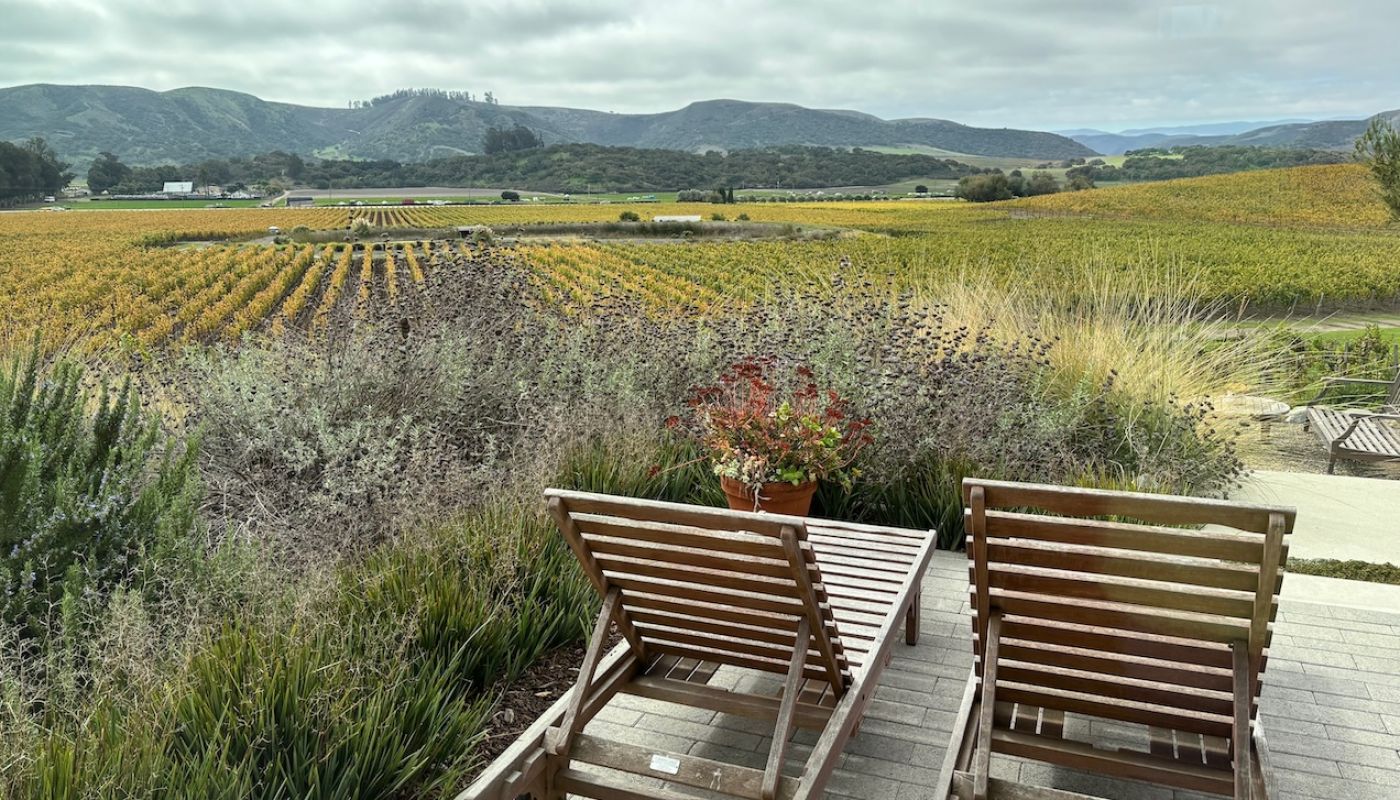
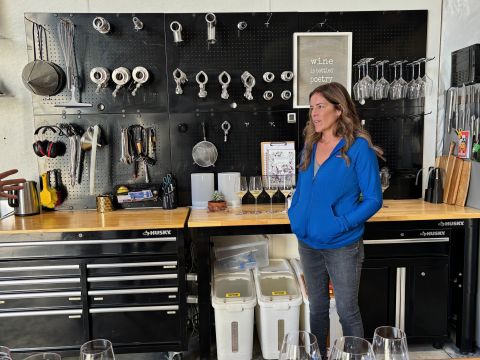
今回最初に訪れたワイナリーは、ビュエルトン (Buellton)(その少々古びた看板は世界のエンドウ豆スープの首都であることを誇っている)郊外のそのような倉庫にある、尊敬すべきストーリー・オブ・ソイル (Story of Soil) だった。現在、ジェシカ・ガスカ (Jessica Gasca) の実用的なワイナリーは長い工房の列の端にあり、幸いなことに写真上に示されているようにサンタバーバラの起伏のある丘陵地に面している。しかし、彼女の以前の場所は臭い自動車修理工場の向かいだったという。
郡内で最もワイナリーが集中しているのは、サンタ・リタ・ヒルズの太平洋側の端にあるロンポック (Lompoc) 郊外の窓のない小屋の集まりで、近くのヴァンデンバーグ空軍基地 (Vandenberg) からの宇宙ロケット打ち上げの轟音がワイン醸造を中断させる。
販売に不可欠なテイスティング・ルームも都市環境に追いやられている。例えば、美しい町ロス・オリボス (Los Olivos)(人口約1,000人)には約50のテイスティング・ルームがある。サンタバーバラ自体も、いわゆるファンク・ゾーン (Funk Zone) にテイスティング・ルームとレストランの集まりを誇っている。少なくともここではワインが遍在している。写真下の看板は、このゾーンで最も人気のあるベーカリーにあるものだ。

郡は北はサンタマリア・ヴァレー (Santa Maria Valley) に故ジム・クレンデネン (Jim Clendenen)によって設立されたオー・ボン・クリマ (Au Bon Climat) ワイナリーまで広がっている。彼はワイン界全体で友人を作り、大きく大胆なワインの流行に屈することを見事に拒否した。彼の子供たちイザベル (Isabelle) とノックス (Knox) が今でもその精神を受け継いでいるが、サンタバーバラでの短い滞在中、郡のワイン文化の守護聖人として彼の名前が言及されるたびに1ペニーもらえたなら、私はかなり儲かっただろう。
写真下のガスカによると、彼女は例外的に純粋なストーリー・オブ・ソイルのワインを造っており、おそらくサンタバーバラ郡をナパ・ヴァレーの現在の状況と価格と比較して、「私たちはここでは農民とカウボーイです。億万長者はいません」と言う。それは彼女が大切にしている元来の地元精神の理想かもしれない。彼女の叔父はオー・ボン・クリマで働いており、彼女はそのワイナリーのすべてのワイナリー労働者のためのきちんとした座って食べる昼食の慣習を継続している。しかし、スタン・クロンケ (Stan Kronke) はザ・ヒルト (The Hilt)、ジョナタ (Jonata)、特に望ましいベントロック (Bentrock) ブドウ畑を所有しており、サンディ (Sandhi) とドメーヌ・ド・ラ・コート (Domaine de la Côte) ブランド、ピーク・ランチ (Peake Ranch)、アルマ・ローザ (Alma Rosa)、プレスキル (Presqu'ile) ワイナリーの背後にも今や本格的な資金がある。これはおそらく、このワイン産地の可能性への賛辞だろう。
とはいえ、サンタバーバラ郡も、世界最大のワイン市場で現在ワイン生産を悩ませている深刻な問題と無縁ではない。例えば、サンタマリア・ヴァレーのビエン・ナシード (Bien Nacido) ブドウ畑は現在、元の規模のほんの一部だ。それを所有するミラー (Miller) 家族によってブドウの樹が精力的に引き抜かれている。おそらくブドウの病気のため、おそらく市場縮小のため、おそらくその両方のためだろう。
サンタバーバラのワインは、ナパ・ヴァレーのワインの天井知らずの価格と比較すると魅力的に見える。ただし、比較的小規模な生産者が多いこの産地では、ワインは食料品店の最下段の棚よりも数段上だ。見事なピノとシャルドネを造るギャビン・シャニン (Gavin Chanin) が言うように、「私たちのワインは、真剣なブルゴーニュ・コレクターにとっての平日のワインです」。
私はまた、地元の人々がイライラするほど売るのが困難だと感じている、北ローヌ・スタイルの特に優れたシラー (Syrah) も見つけた。
しかし、ここには古典的な国際品種以上のものがある。ピクプール (Picpoul) は驚くほど人気があり、ガメイ (Gamay)、グルナッシュ (Grenache)、グリューナー・ヴェルトリーナー (Grüner Veltliner)、リースリング (Riesling)、そして様々な白のローヌ品種も同様だ。
試行錯誤を重ねた他のいくつかのカリフォルニアワイン産地とは異なり、サンタバーバラ郡は最近、ワイン改善地区の地位を獲得することに成功した。これにより、ボトル・ワインの全売上の1%が地域マーケティング基金に充てられる。そのため、おそらく将来、相対的にお買い得なこの有望なワイン産地についてもっと聞くことになるだろう。シャニンによると、太平洋に直接面するサンタバーバラ郡は、ほとんどのワイン産地よりも気候変動から保護されており、「全盛期を迎えている」という。
印象的なサンタバーバラ郡のワイン生産者たち
傑出したワインを持つ生産者と、関連するイギリスの小売業者または輸入業者(ただし、輸入業者が必ずしも全ラインナップを扱っているとは限らない)。
ア・トリビュート・トゥ・グレース (A Tribute to Grace)
グルナッシュ
リー・アンド・サンデマン (Lea & Sandeman)
オー・ボン・クリマ (Au Bon Climat)
ピノ・ノワールとシャルドネ
ベリー・ブロス・アンド・ラッド (Berry Bros & Rudd)
アメヴィーヴ (Âmevive)
グルナッシュ、赤と白
インディゴ (Indigo)
カミンス・2・ドリームス (Camins 2 Dreams)
グリューナー・ヴェルトリーナーとハインズ・メール・ロード・シラー (Hines Mail Road Syrah)
ザ・ワイン・ソサイエティ (The Wine Society)
シャニン (Chanin)
ピノ・ノワールとシャルドネ
フリント・ワインズ (Flint Wines)
クレンデネン・ファミリー (Clendenen Family)
ネッビオーロ (Nebbiolo)
ワンダーラスト・ワインズ (Wanderlust Wines)
ドメーヌ・ド・ラ・コート (Domaine de la Côte)
ピノ・ノワール
フリント・ワインズ (Flint Wines)
ドナカー (Donnachadh)
ピノ・ノワール
マジェスティック (Majestic) とロバーソン (Roberson)
フォールデッド・ヒルズ (Folded Hills)
グレース・ホワイト・ブレンド (Grace White Blend)、グルナッシュ、シラー
ホルス・ボルス (Holus Bolus)
シラー
ワンダーラスト・ワインズ (Wanderlust Wines)
ラシーヌ (Racines)
ピノ・ノワールとシャルドネ
リバティ・ワインズ (Liberty Wines)
ストーリー・オブ・ソイル (Story of Soil)
赤ワイン全般、リースリング
タトマー (Tatomer)
リースリング
ロバーソン (Roberson)
ジョーイ・テンスリー (Joey Tensley)
シラー
ベリー・ブロス・アンド・ラッド (Berry Bros & Rudd)
ザ・ジョイ・ファンタスティック (The Joy Fantastic)
シャルドネとピノ・ノワール
ワンダーラスト・ワインズ (Wanderlust Wines)
タイラー (Tyler)
ブラン・ド・ノワール・エクストラ・ブリュット (Blanc de Noirs Extra Brut)、シラー、ピノ・ノワール、シャルドネ
フリント・ワインズ (Flint Wines)
ウィットクラフト (Whitcraft)
ピノ・ノワールとシャルドネ
具体的なテイスティング・ノート、スコア、推奨飲み頃については、サンタバーバラ郡のワインと私たちのテイスティング・ノート・データベースを参照のこと。国際的な取扱店については、Wine-Searcher.comを参照。
基本に戻る
サンフランシスコ南部のワイン産地 |
|
ベイエリアの真南には、シリコン・ヴァレーと太平洋の間にあるサンタクルーズ・マウンテンズ (Santa Cruz Mountains)があり、霧の線よりもはるかに高い場所で、斜面と標高が非常に多様なため、トップクラスの生産者リッジ (Ridge)(カベルネ用)とライス (Rhys)(非常に異なるピノ・ノワール用)がかろうじて互いを見ることができる。ベイの向こう側には、ウェンテ (Wente) 家によって支配される同様に歴史的なワイン産地リヴァモア・ヴァレー (Livermore Valley)があり、その名前はカリフォルニアで最も有名なシャルドネのクローンに受け継がれている。他のいくつかの重要性の低いワイン産地と同様に、サンタクララ・ヴァレー (Santa Clara Valley)はテック産業の拡大に対して負け戦を戦っている。 モントレー (Monterey)はブドウの樹よりも畑作物(イチゴと野菜)の本拠地だが、ヴァレーの底には風で冷却される数百エーカーのブドウ畑がまだあり、その上のサンタルシア・ハイランズ (Santa Lucia Highlands)はブルゴーニュ品種に理想的であることが証明されている。内陸のサンベニート (San Benito)の山中には、カレラ (Calera) やシャローン (Chalone) のような有名な生産者のための孤立した場所がある。 南には、東西のコントラストとしっかりした赤ワインの評判を持つ、ファッショナブルで観光客に優しいパソ・ロブレス (Paso Robles)がある。さらに南にはサンルイス・オビスポ (San Luis Obispo)(SLO)があり、水不足に直面しているが、それでも優れたピノとシャルドネを造ることができる。サンタバーバラ郡の境界を越えたサンタマリア・ヴァレー (Santa Maria Valley)も同様だ。サンタバーバラ郡の他の注目すべきアペラシオンは、西から東へ、サンタ・リタ・ヒルズ (Sta Rita Hills)、バラード・キャニオン (Ballard Canyon)、ロス・オリボス・ディストリクト (Los Olivos District)、ハッピー・キャニオン・オブ・サンタバーバラ (Happy Canyon of Santa Barbara) で、サンタイネス・ヴァレー (Santa Ynez Valley) がそれらすべてを包含している。 |