この記事は、できるだけ早くお届けするためにまずAIで翻訳したものです。今後はAIに教育を行うことでその精度を上げること、それと並行し翻訳者が日本語監修を行った記事と、AI翻訳のみによる和訳記事を明確に分けることで、読者の皆様の利便性を最大限に高めることを目指しています。表現に一部不自然な箇所がある場合があります。ご了承ください。
南フランスとカリフォルニアで山火事
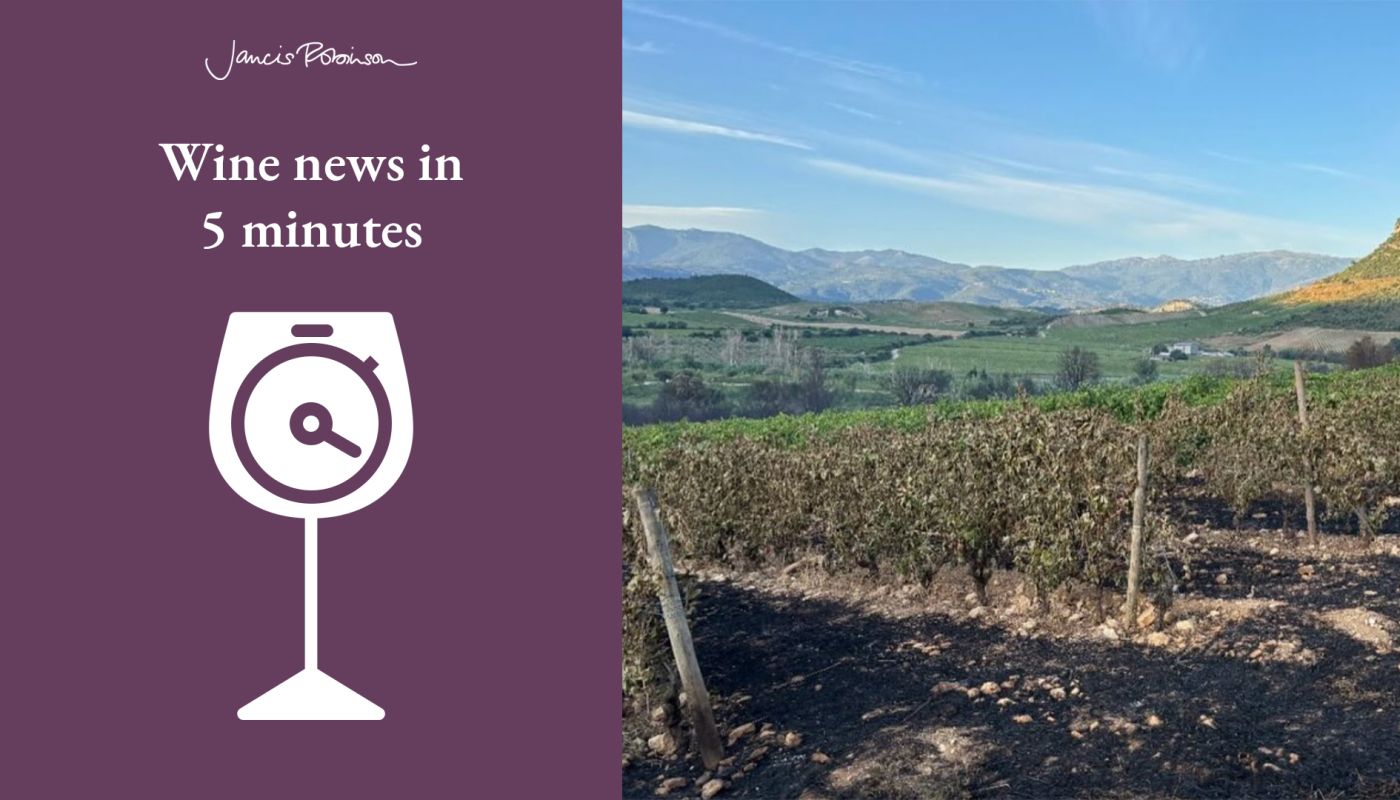
フランスは現在、1949年以来最大の山火事に見舞われており、1人が死亡、13人が負傷している。8月5日火曜日に発火して以来、火災はフランス南部のオード地方で17,000ヘクタール(42,000エーカー)を焼き尽くした。コルビエール(Corbières)AOPの一部が壊滅的な被害を受けている。セリエ・デ・ドゥモワゼル(Cellier des Demoiselles)協同組合のディレクター、アナエル・パイルー(Anael Payrou)はヴィティスフィア(Vitisphere)に語ったところによると、組合員の生産者のブドウ畑の3分の2が程度の差はあれ被害を受け、火災で破壊されなかったブドウ畑でも煙害やブドウに散布された難燃剤の影響で大幅な収穫減が予想されるという。昨日の時点で、火災は封じ込められた。この地域の多くのワイン生産者は、火災の急速な拡大を最近のブドウ畑の減少のせいだと非難している。コルビエールでは昨年、5,000ヘクタール(12,355エーカー)、ブドウ畑の7%が引き抜かれ、簡単に燃える低木や雑木林に取って代わられた。対照的に、耕作されたブドウ畑は天然の防火帯として機能していた。
世界の注目がオードに集まる中、私はコルシカでの小規模な火災のニュースを見逃すところだった。このことを教えてくれたニュース・リスナーのフリオ・パティーノ(Julio Patino)に改めて感謝したい。8月2日に火災が始まったのは、パトリモニオ(Patrimonio)AOPの2つの自治体、オレッタ(Oletta)とポッジョ・ドレッタ(Poggio d'Oletta)だった(AOPがインスタグラムに投稿した写真をリンクしておく)。焼失面積は合計50ヘクタール(124エーカー)だ。クロ・マルフィジ(Clos Marfisi)とドメーヌ・レッチャ(Domaine Leccia)の両方が火災でブドウ畑を失い、放火の疑いで捜査が開始された。
地球の反対側では、サン・ルイス・オビスポとサンタ・バーバラが今年のカリフォルニア最大の山火事に見舞われている。火災は8月1日に始まり、ほぼ100,000エーカー(40,000ヘクタール)を焼いた。封じ込めは15%にとどまり、現在1,200以上の建造物を脅かしている。この地域のワイナリーが煙害の影響を受けるかどうかはまだわからない。ワイナリーが海岸に非常に近い場所にあるという事実は、空気の流れを保つ傾向がある。現在のサンタ・バーバラの米国大気質指数が中程度にランクされていることがその証拠だ。
中国の1919グループが1,500店舗を閉鎖
7月31日、中国のワイン市場に特化した出版物ヴィノ・ジョイ(Vino-Joy)は、中国最大のアルコール小売チェーンである1919グループが1,500の小売店舗の閉鎖を計画していると発表した。理由として挙げられているのは、フランチャイズ・パートナーとの方針の不一致だ。創設者兼会長の楊陵江(Yang Lingjiang)によると、一部のフランチャイズは無許可のルートから商品を調達するまでに至っているという。同社はクローズド・ループ調達システムを導入する予定だ。また、「体験型小売」モデルへの転換を図り、来年初頭までに飲食を提供する50店舗以上の開店を計画している。
アルゼンチンの新地理的表示
7月16日、アルト・アグレロ(Alto Agrelo)がアルゼンチン国立ブドウ栽培研究所によって地理的表示(GI)として正式に認定された。これは、メンドーサのルハン・デ・クージョ県内で、ルハン・デ・クージョ、ラス・コンプエルタス、ビスタルバ、アグレロに続く5番目のGIだ。そう、これは新しいアルト・アグレロとは別のものである。アルヘント(Argento)、オトロニア(Otronia)、クルス・ダ・ピエドラ(Cruz da Piedra)などのブランドを所有し、アルト・アグレロ内に232ヘクタール(573エーカー)の認証オーガニック・ブドウ畑を持つグルーポ・アビネア(Grupo Avinea)が、このGI認定のキャンペーンを主導した。
オーストラリアとニュージーランドでの採掘への懸念
8月7日、エマ・ジェンキンス(Emma Jenkins)MWは、ニュージーランドのセントラル・オタゴで提案されている金鉱に対するワイン業界の反応について『デカンター(Decanter)』に記事を発表した。サンタナ・ミネラルズ(Santana Minerals)は2012年からこの地域で探鉱を行っており、2024年にニュージーランドで40年間で最大の単一金鉱発見を宣言した。同社は現在、多数のワイナリーがあるセントラル・オタゴのベンディゴ亜産地に、幅900メートル(0.5マイル以上)の露天掘り金鉱と3つの小規模な採掘場の掘削を申請している。ジェンキンスの報告によると、セントラル・オタゴ・ワイン生産者協会(COWA)は、影響を受ける当事者としてプロセスに含めるよう求める書簡をニュージーランド首相に送ったという。生産者とワイナリーは地下水汚染と、鉱山が観光業に与える可能性のある影響を懸念している。この地域の住民も懸念しており、サステナブル・タラス(Sustainable Tarras)という名前のグループが、ニュージーランド人が鉱山に反対するためにできることのリストをまとめている。
同じく8月7日、オーストラリアの出版物『ワイン・タイトルズ(Wine Titles)』は、ワイン業界がマジー(Mudgee)で提案されている銀鉱に懸念を表明したと報じた。マジーはニュー・サウス・ウェールズ州内のハンター・バレーの西にあるGIだ。SGSエコノミクス・アンド・プランニングによる新しい報告書は、鉱山からの鉛汚染の潜在的影響を強調し、この地域のワインと観光業への影響への懸念を提起している。マジー・ワイン協会は他の地域コミュニティや企業グループとともに、ニュー・サウス・ウェールズ州政府に対し、露天掘り採掘を禁止する地域のリストにマジーを追加するよう求めている。アッパー・ハンター、グロスター、リバプール・プレーンズなどの近隣産地はすでに露天掘り採掘を禁止している。マジー地域アクション・グループ(Mudgee Region Action Group)は鉱山を阻止するため署名と寄付を集めている。
超軽量ワインボトルの導入
8月5日、『ザ・ポルトガル・ニュース(The Portugal News)』は、重量260グラムの世界最軽量のワインボトルが、今週大阪で開催される2025年万博で発表されると発表した。この750ミリリットルの軽量ボトルは80%のリサイクル・ガラスで作られており、エンバラジェン・ド・フトゥーロ(Embalagem do Futuro)(未来のパッケージング)と呼ばれるポルトガルのコンソーシアムの要請で開発された。同コンソーシアムは、ビドララ・グループ(Vidrala Group)が所有するガラス製造施設サントス・バロサ(Santos Barosa)と、レイリア工科大学のデザイン・アーツ研究所LiDAと協力した。現在、市場で最も軽いボトルの重量は約300グラムだ。
今回のワイン・ニュースは以上だ。このニュースキャストを楽しんでいただき、継続を希望される場合は、JancisRobinson.comのメンバーになってください。また、お住まいの地域で速報ニュースがあれば、[email protected]までメールをお送りください。
トップのコルシカのブドウ畑の写真提供:ヴァン・ド・コルス(Vins de Corse)
これは毎週の5分間ニュース放送のトランスクリプトで、下記でご覧いただけます。ザ・ワイン・ニュース・イン・5・ポッドキャスト(The Wine News in 5 Podcast)でもお聞きいただけます。このコンテンツを楽しんでいただき、さらに多くのコンテンツをご希望の場合は、当サイトのメンバーになって、週刊ニュースレターを購読してください。