この記事は、できるだけ早くお届けするためにまずAIで翻訳したものです。今後はAIに教育を行うことでその精度を上げること、それと並行し翻訳者が日本語監修を行った記事と、AI翻訳のみによる和訳記事を明確に分けることで、読者の皆様の利便性を最大限に高めることを目指しています。表現に一部不自然な箇所がある場合があります。ご了承ください。
カテリーナ・ミロナ (Katerina Mylona) 著 カテリーナは世界を股にかけて活動する化学エンジニア兼エノロジストで、MBAも取得している。科学的精密性とワイン造りの芸術性を融合させている。フランス、スペインからニュージーランド、アメリカ、アルゼンチン、キプロスまで、ブドウ畑とセラーでの実践的経験を積んでいる。彼女のリーダーシップはキプロス・ワインの世界的地位向上に貢献し、国際的な賞と評価を獲得した。主要なワイン誌や科学誌に論文を発表している著者でもあり、深い技術的・文化的専門知識に根ざした、現代のワイン造りに新鮮で環境に配慮した視点をもたらしている。HECATE Wine Expertsの創設者として、カテリーナはワイン造りの持続可能な発展を推進し、企業がワイン、オペレーション、メッセージング戦略を洗練させる手助けをしている。
ワインの世界への入り口:
マヴロクントゥーラへの頌歌
ワイン造りに使われるブドウ品種は1000種類をはるかに超える。深みのあるカベルネ、花のようなマスカット、エレガントなピノ、エキゾチックなソーヴィニヨン、力強いシラー、複雑なリースリング、個性的なグルナッシュ、多様性に富むシャルドネ、豊かなマルベック—リストは無限だ。どの品種も独自の頌歌にふさわしい。しかし私にとって、ある稀少で知られざるギリシャ品種が、まさに私のワインの旅の種を植えたのだ。それがマヴロクントゥーラ・キミス (Mavrokountoura Kymis) である。
子供の頃、私は家族の中で語り継がれる過去の栄光の物語に魅力を感じていた。それは私たちのルーツであるキミ、エヴィア島の海辺の町に結びついた物語だった。マヴロクントゥーラのブドウから造られたワインがかつて地中海を渡り、有名なフランスのブレンドに深みと色合いを与えていたという話。その独特な個性を羨まれ、盗まれて異国の土壌で変貌を遂げたという話。そして最終的に、静かで目に見えない侵入者—アメリカ大陸からやってきた残酷な害虫フィロキセラによって、ブドウの樹が土地から引き裂かれ、絶滅の危機に追いやられたという話。
これらの物語は私のギリシャ文化のDNAに織り込まれていた。パトスに満ちたドラマで、ヒュブリスに彩られていたが、古代の悲劇とは違って、カタルシスの慰めを欠いていた—少なくともその時までは。
長年にわたり、これらの物語は春を待つ冬のブドウの樹のように、私の心の中で眠っていた。しかし大人になり、化学工学の学業の終わりが近づくにつれ、それらの記憶は十分な積算温度を蓄積して芽吹いた。同級生たちが卒業論文のテーマを実用的に選ぶ中、私は静かに彼女に惹かれている自分に気づいた。マヴロクントゥーラが私を呼んでいた—静かに、ゆっくりと、気づかないうちに。彼女は私を導き、彼女を研究対象に選ばせた。
私は疑問に溢れていた。彼女は本当に消えてしまったのか?彼女を見つけることができるのか?そのような物語を生むほど彼女を特別にしたものは何なのか?今日のワイン界に彼女の居場所はまだあるのか?そして彼女を追い求めることは理性的なのか?
このアイデアをより「適切」にするため、私は研究をフェノール類の抗酸化効果、発酵の生化学、そして変性大気がワインの熟成に与える影響を中心に組み立て直した。それなら十分論理的に思えた。それに、マヴロクントゥーラの小さく厚い濃色の果皮を持つ果実は理想的なテスト・サンプルを提供してくれた。ギリシャのワイン産業は活発で発展している—この探求を正当化できた。ほっとした。進めることができる。
しかしまず、彼女に会わなければならなかった。
市場でマヴロクントゥーラを使用しているラベルは1つだけだった。それは小さな家族経営のワイナリーが生産しており、古いブドウ栽培者の忘れられたブドウ畑から彼女のブドウを調達していた。彼女の現代における存在の唯一の証拠は、その人の静かな主張にあった。そこで私は訪問を手配した—アテネからエヴィアの馴染みのある道まで短いドライブだった。
私は父に同行を頼んだ。私たちは特に親しくなく、父と二人だけで過ごす時間は稀だった。表面上は単純な学術的用事だった。しかし心の奥底で、マヴロクントゥーラが私に父を連れて行くよう促したのだと思う。そして父は来てくれた。
ワイナリーに到着したのは暖かく乾燥した黄金色の日だった。ワイン造り一家全員、新生児の双子まで含めて私たちを迎えてくれた。私たちは屋外に座り、静寂と太陽に囲まれていた。私は父がワイン醸造家の父親と深い会話を交わしているのを覚えている—両方とも70代の男性で、おそらくキミ、ブドウの樹、昔の話について語っていたのだろう。言葉を聞く必要はなかった。その繋がりが十分に物語っていた。
そして—そこに彼女がいた。
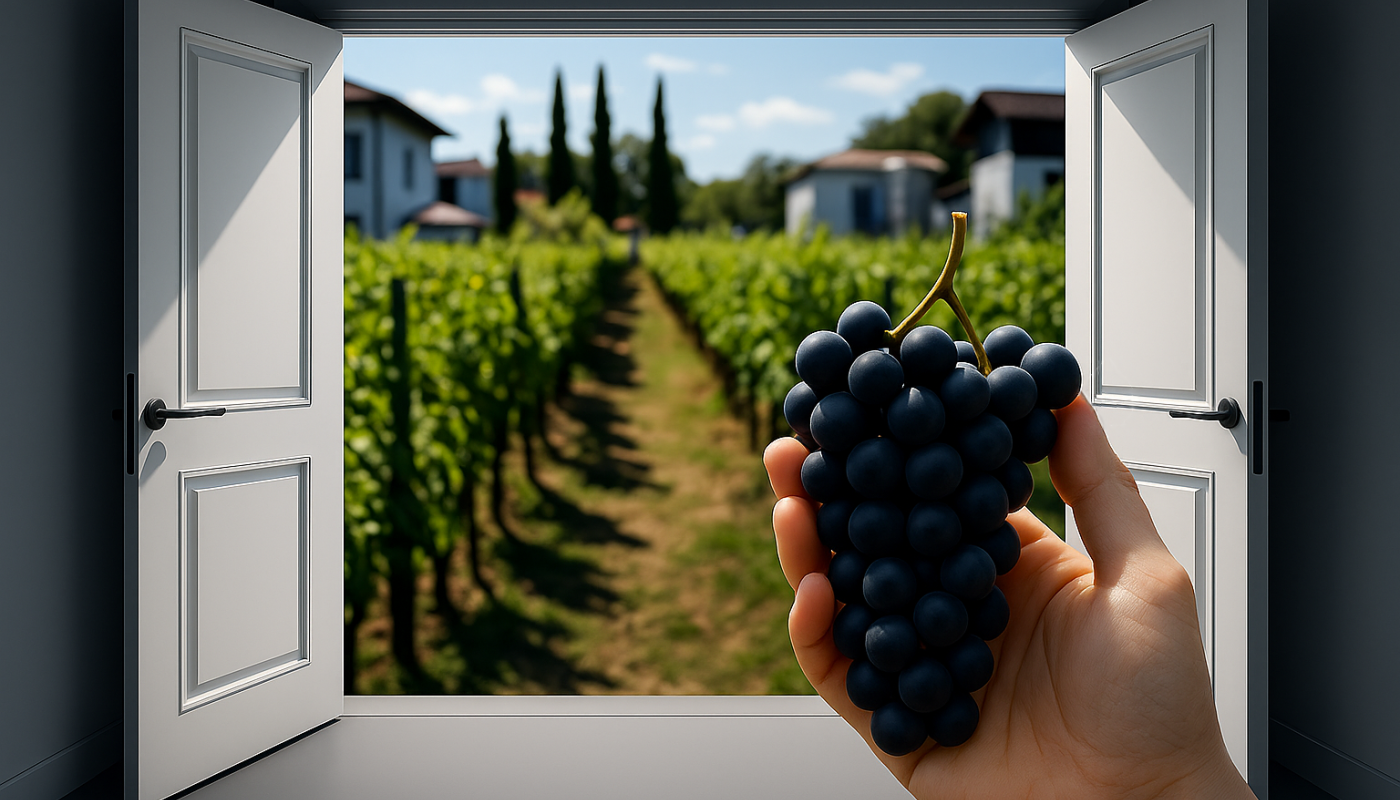
マヴロクントゥーラ。私が想像していた通りの、引き締まった健康的な房、濃色で丸く膨らんだ果実。恋に落ちるとは思っていなかった。しかし恋に落ちた。その瞬間、私にとって広大な新しい世界が開かれた。セラーを歩き回りながら、私は彼女の存在を感じることができた—静かな力、エレガントではないが自信に満ちている。複雑で大胆でありながら、ベルベットのような仕上がりで優しく余韻を残し、彼女を忘れられないものにしていた。
私はサンプルを手にワイナリーを後にした。ほとんど恍惚状態だった。それは研究旅行以上のものになっていた。私と父とマヴロクントゥーラの探検の日になっていた。
研究室に戻ると、果実は計量され、凍結乾燥され、解剖され、抽出され、浸漬され、発酵され、圧搾された—彼女は生き生きとした精神的なエッセンスに変貌した。空気は森の果実、ブラックベリー、プラム、そして花の香りさえも含んだアロマで満たされた。私は彼女の進化を注意深く追った。彼女が成熟するにつれ、私も成熟した。
最終データを収集する頃には、私は知っていた。私は永続的に変わってしまったのだ。最高の意味で感染していた。
私たちの旅は終わりを迎えた。少なくとも学術的には。しかし感情的に、精神的に、何か新しいものが始まっていた。私は常に彼女に感謝するだろう—彼女が私に教えてくれたこと、ワインの世界への扉を開いてくれたこと(二度と閉じることのない扉を)、そして何よりも、父との最も大切な思い出を与えてくれたことに。父は私が論文を発表するわずか数ヶ月前に亡くなった。
そして、すべての偉大な愛がそうであるように、マヴロクントゥーラは残り続ける—単なる品種ではなく、羅針盤として。彼女は私を遺産に根ざし、記憶の中で薄れゆく物語に根を下ろし、私が味わうすべてのグラス、歩くすべてのブドウ畑、ワインの陶酔的な驚異に包まれたすべての会話の中で花開く。彼女を通して、私はワインが単なる飲み物ではないことを学んだ—それは架け橋なのだ。人と人の間の。世代と世代の間の。科学と魂の間の。土地とそれを感じる勇気を持つ人々の間の。
彼女は私のすべてのワインの物語の根本原因だ。時を通る生きた巻きひげ。私が何者で、どこから来て、私たち皆を結びつけるもの—文化、土地、記憶、そして愛—を思い起こさせるものだ。
この画像はAIベースの編集ソフトウェアの助けを借りて作成され、著者によって提供された。
















