この記事は、できるだけ早くお届けするためにまずAIで翻訳したものです。今後はAIに教育を行うことでその精度を上げること、それと並行し翻訳者が日本語監修を行った記事と、AI翻訳のみによる和訳記事を明確に分けることで、読者の皆様の利便性を最大限に高めることを目指しています。表現に一部不自然な箇所がある場合があります。ご了承ください。
スティーブン・ノートンによる寄稿 スティーブン・ノートンは米国のテクノロジー・コンサルティング会社でリサーチ、メディア、イベントを統括し、フォーブス誌でエンタープライズ・テクノロジー・リーダーシップに関するコラムを執筆している。ニューヨークを拠点とし、2024年にWSETディプロマを取得した。
ロモランタンへの頌歌
ノースカロライナ州のワインバーで一人座り、世界を閉鎖寸前まで追い込みそうなコロナウイルスについて不安にかられながらスマホをスクロールしていた。夜も更け、平凡なソーヴィニヨン・ブラン2杯を飲んでいたにもかかわらず不安が募る中、バーテンダーが冷蔵庫からメニューにないボトルを取り出し、少し注いでくれた。生産者もヴィンテージも言わず、ただフランス語らしい言葉を口にした。ロモランタン。
一口香りを嗅いだ瞬間、真昼の浜辺を歩いているような感覚に襲われた。潮しぶき、塩、太陽。一口飲むたびに牡蠣を食べているようだが、レモンではなくライムを絞ったような味わいだった。塩気があり、酸味があり、ほのかに甘く、海風の鞭のような驚くべき酸味。この謎めいた味わいが私を未知の領域へと押し出した。その新鮮さは私のシステムにショックを与え、冷水浴に等しいワインだった。
ボトルに込められたこの高揚感の源を知りたくて、スマホで新しいタブを開き、急いで「Romo Rantan」とタイプした。このブドウは私には初めてだったが、幸いインターネットには馴染みがあった。不安なスクロールが喜びのスクロールに変わった。
まず、このブドウの希少性に驚いた。かつてロワール渓谷に広く植えられていたロモランタンは、他の多くのヴィニフェラ種と同様、1800年代後期にフィロキセラがフランスのブドウ畑を壊滅させた後、ほぼ放棄されたことを知った。現在栽培されているのは100ヘクタール未満で、その大部分はトゥーレーヌ東端の小さなアペラシオン、クール・シュヴェルニーとその周辺だ。
ロモランタンの謎めいた起源がさらに私を引きつけた。ある資料によると、このブドウがロワール渓谷に到着したのは16世紀で、フランソワ1世が宮殿建設を計画していたロモランタンの町にブルゴーニュからブドウの樹を運ぶよう要請した時だという。しかし、これらのブドウの樹が実際にロモランタンだったかどうかは議論の余地があるようだ。他の記録では、数世紀後に近くに住んでいたワイン生産者によって導入されたとされている。
会計を済ませながら、私の心はより差し迫った問題、つまりウイルスの拡散で翌朝のフライトが飛ばなくなるかもしれないという心配に戻った。バーテンダーに生産者について聞くことも、薄暗い中でラベルの写真を撮ることも忘れてしまった。
それでも構わなかった。グラス半分にも満たない量で、ロモランタンはワインが持つ驚きの力を見せてくれ、その神秘へとさらに深く私を引き込んだのだ。
–
ブルックリンに戻り、食料品を洗い、ネットフリックスと手作りサワードウで心を慰める日々を数週間過ごした後、別のワインバーに歩いて向かった。そこは屋内での食事が再開されるまで、あるいは少なくともワインがなくなるまで、客と現金の流れを維持するために小売店に転換していた。
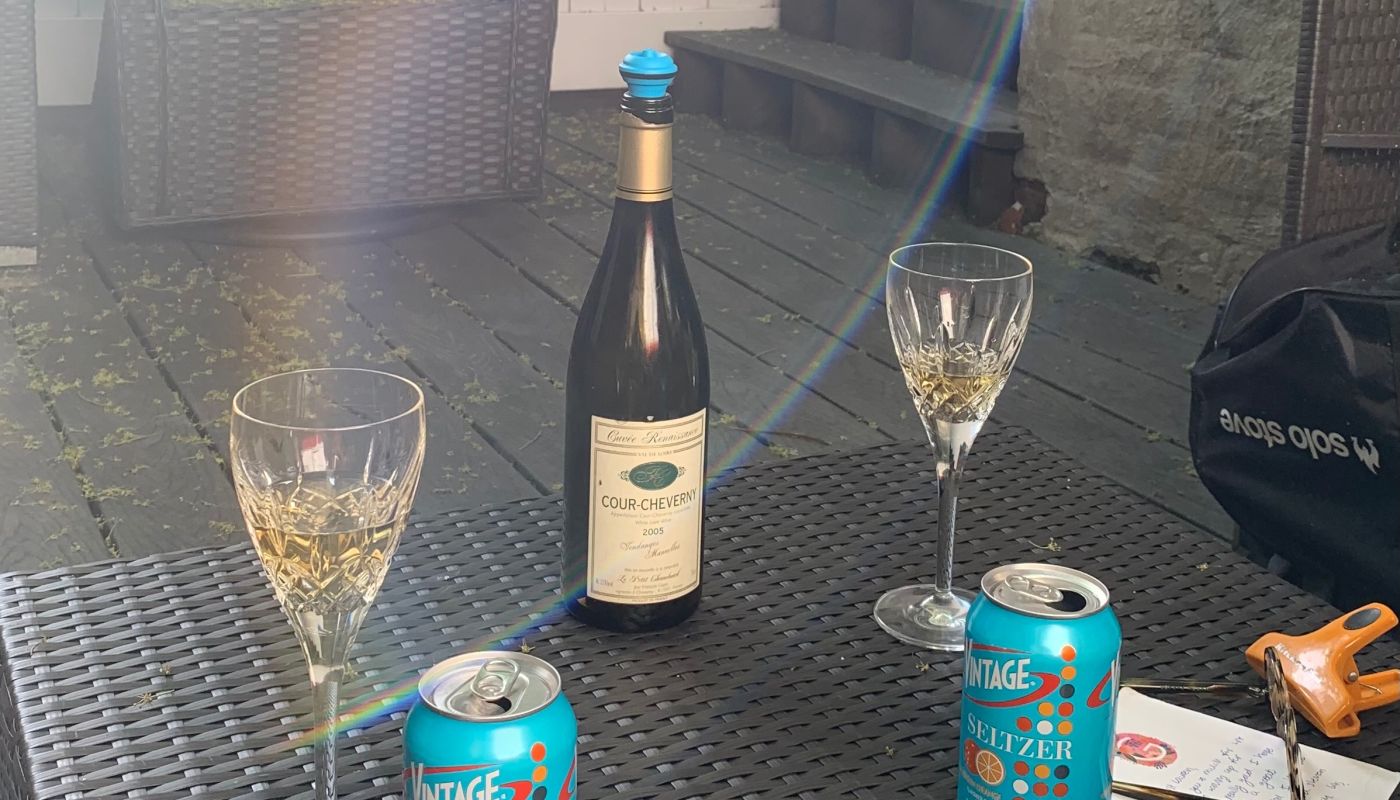
かつて客がローストチキンとオレンジワインのグラスを片手に物語を交わしていたテーブルには、セラーからのボトルが並んでいた。マスクとラテックス手袋を着用し、クリュ・ボジョレーとスロベニアのレブラ (Rebula) の山の中を探していると、金色のカプセルが目に留まった。ラベルを読んで二度見した。フランソワ・カザン (François Cazin)、キュヴェ・ルネサンス、モワルー、2005年。クール・シュヴェルニー。ロモランタンとの初めての出会いの記憶が洪水のように蘇り、脈拍が速くなった。
婚約者と私は、隣人の猫の世話をしながら、晴れた土曜日の午後にそのボトルを開けた。彼らにはパティオと洗濯機があった。私たちはワインと一緒に洗濯物を持参した。数週間のロックダウンの後、これはバケーションのように感じられた。
コルクを抜きながら、恍惚を祈りつつも失望に備えた。あまりにも多くのことが変わっていた。15年間ボトルの中にいたことがワインに優しくなかったらどうしよう。ロモランタンに夢中になったのは、ただソーヴィニヨン・ブラン2杯のせいだったらどうしよう。ワインも私も、あの過去の高揚感に応えられなかったらどうしよう。
再会は想像できる限り最も甘美なものだった。このオフドライの遅摘みロモランタンのボトルで、私はアカシアの林をさまよい、蜂蜜と黄色い花に包まれた。塩気もあったが、あの最初の馴染みのないボトルの塩辛い牡蠣は、今や川石、熟した洋梨、傷ついたリンゴ、アーモンドになっていた。息をのむような酸味は相変わらずだったが、最初のワインの鋭い突風とは違い、これは穏やかで余韻の長いそよ風だった。ボトル熟成と世界的パンデミックを生き抜くことで、新たな次元、新たな可能性が掘り起こされた。
心は歓喜で満たされ、数ヶ月前のノースカロライナでのスリルよりも大きく広がりのある驚きだった。パティオに座り、人生の愛する人が隣にいて、洗濯物が脱水サイクルを完了する中、ロモランタンは金色の翼に乗って現れ、私たちの精神を高揚させ、世界は変わったが持続するだろうことを思い出させてくれた。このワインがそうであったように。過去の味や体験を再現することが目標ではないことに気づいた。今この瞬間にいることなのだ。
–
私はあらゆるワインリストと小売店でロモランタンを探している。稀に見つけると、親しいが遠い友人に偶然出会ったような気分になる。過去の出会いを懐かしみ、変わったことすべてに言及し、それぞれの道を歩む前に新しい思い出を作ることに大きな喜びがある。レストランでは、提供されるワインの中で最も安価なもののひとつでもある。人生を肯定的にし、一般的に手頃な価格?ぜひお願いしたい。
ロモランタンの酸味は確実に少し背筋を伸ばしてくれるが、私の経験では騒々しいワインは作らない。その香りと味わいは、喚起的でありながら控えめだ。明るく気さくであれ、豊かで層があるものであれ、オーク樽熟成であれ、酸化的であれ、あるいはそれらの組み合わせであれ、ロモランタンは控えめな威厳を持って振る舞い、スポットライトや有名な品種との比較を気にしない。パーティーであまり話さないが、話すときには人々が注目する人のようだ。
どんなテイスティング・ノートよりも、今この瞬間を大切にし、知らないことにもっと安らぎを感じることを思い出させてくれる。そして美味しい。これがおそらく唯一重要なことだろう。
乾杯、ロモランタン。激動の時代と少し穏やかな時代の変わらぬ伴侶よ。そして、まさに適切な瞬間に私たちを見つけ、肩を叩き、耳を傾け、すべてを味わうよう促すすべてのブドウたちに。
「パティオのロモランタンのボトル」とキャプションされた写真は著者自身のものである。
















