
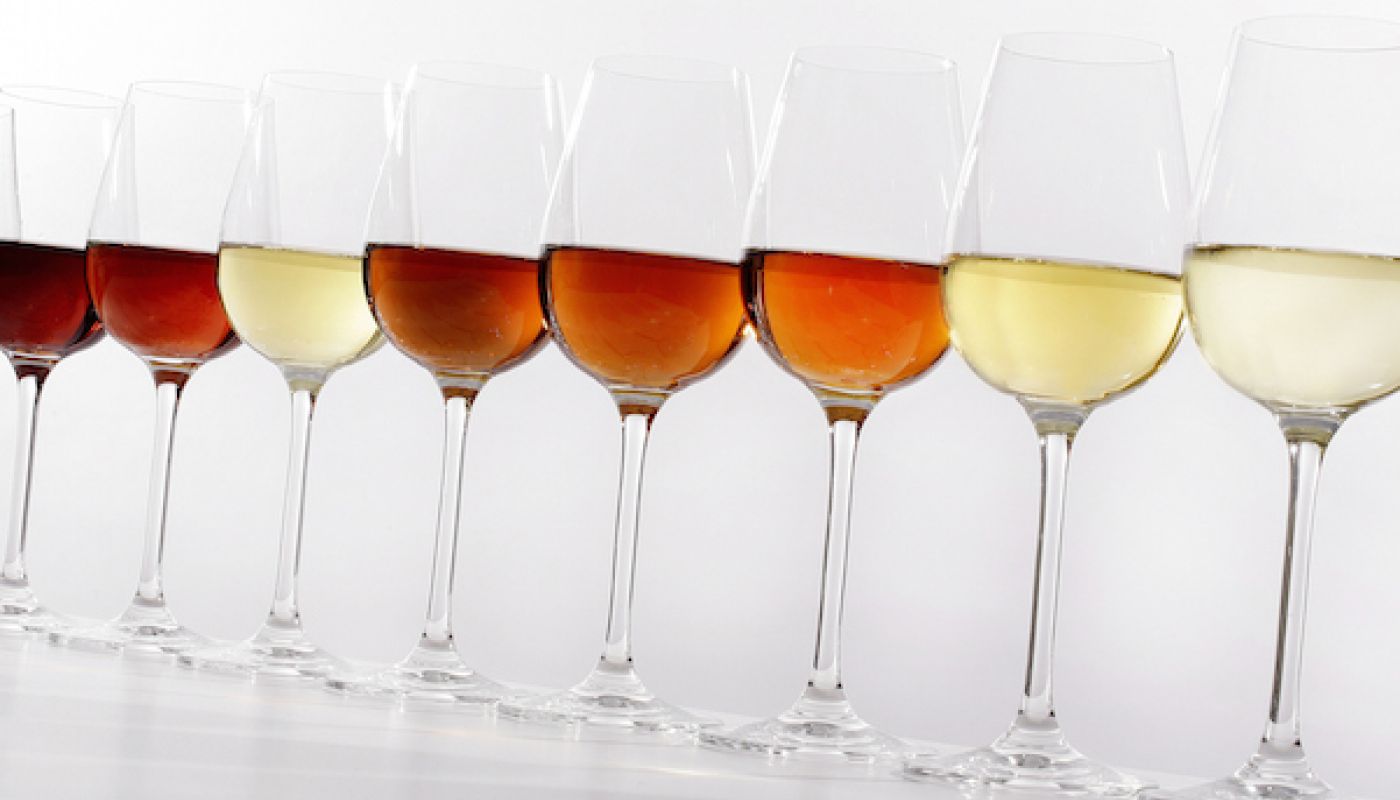
I had lunch with my old friend and co-author of The World Atlas of Wine Hugh Johnson the other day. He’d recently revisited the sherry town of Jerez for the first time in decades and was still in shock, rocked by the transformation of the landscape surrounding it.
The vineyards that used to line the road from Jerez to the other major sherry town Sanlúcar de Barrameda have disappeared. The total area of land planted with the Palomino Fino vine crucial to sherry production has shrunk by two thirds since the early 1980s. Worldwide sales of sherry reached a peak in the late 1970s, fuelled by the machinations of the Rumasa empire that famously bought three banks in one day and was chiefly responsible for sherry’s boom and the bust that followed it.
When I started writing about wine in the late 1970s, the place my work took me to most often was Jerez. The pool of the Hotel Jerez used to be thick with foreign wine merchants. I got my break, editing a UK wine trade magazine, because my predecessor left to set up Decanter magazine, backed by the UK importer of La Ina sherry Luis Gordon.
The dominant fine-wine company then was Harveys of Bristol, whose fortunes and smarter activities were underpinned by Bristol Cream sherry, a once hugely popular drink that played its own part in sherry’s fall from fashion. Strong, sweet and dark brown are nowadays regarded as three deadly sins.
Sherry exports are less than a fifth of what they were in 1979 when the UK and then the Netherlands were importing vast quantities of sherry of dubious quality. For Beltrán Domecq, president of sherry’s governing body the Consejo Regulador, the whole Rumasa episode was a ‘lamentable parenthesis’ in the history of sherry, and all are agreed that the sherry industry is now on a track dictated by quality, not quantity.
Not before time, Spain is now consuming more sherry than the UK – most of it the pale, dry, super-refreshing styles known as Fino and Manzanilla – while the relatively static UK market for sherry is still, regrettably in my view, dominated by the sweet cream and pale cream styles that are easiest to make and too often the dreariest to drink.
All of this makes me very cross. As one of the great wines of the world, unique to Andalucía, sherry is capable of far more nuance than this and producing the vast array of dry styles is far more difficult than making most other sorts of wines.
The closest parallel is with another aperitif, champagne. Like champagne, sherry depends on vineyards based on water-retaining chalk. Like champagne, sherry involves taking base wine and subjecting it to another process: ensuring skilful blends of it will fizz in champagne’s case; ageing it for many a year in cask before skilful blending in sherry’s case. Another thing they have in common is that most of the wine is sold without a vintage date on it, which means that, unlike most wines, one bottle looks and tastes very much like another from year to year so there is not much ‘news’ for us wine writers to report.
Despite these similarities, champagne has been a global success while sherry’s sales and reputation have shrivelled, despite the fact that we have seen a sprouting of tapas bars in which sherry is supposed to play a part and, as many a chef and sommelier attests, sherry is a supremely suitable for the table. As Victoria Moore notes in her new book, The Wine Dine Dictionary, ‘dry sherry is not just one of the most undervalued wines in the world, it’s also a consummate food wine’. She highlights light, dry sherry as a particularly good match for asparagus, smoked salmon, shellfish and many other foods.
The most useful and best-value sherries are Fino and, often even lighter and drier, Manzanilla, the palest wines shown above. They are aged ‘biologically’ in partially filled casks under a strange cushion of yeast called flor that looks like a layer of soggy white bread. It will grow only in very specific conditions and is a speciality of sherry country. The flor and conditions of Sanlúcar de Barrameda on the wide Guadalquivir river is subtly different from elsewhere, which is why Sanlúcar’s lightest, driest sherry is distinguished as Manzanilla rather than Fino. The protective effect of flor is maintained by encouraging Atlantic breezes into the bodegas or, more prosaically, by air conditioning; by keeping humidity high by sprinkling the bodegas’ earth floors with water; and most importantly by systematically replacing some of the wine in each cask with younger wine so as to give the yeast more nutrients.
These versatile dry wines are just 15% alcohol, hardly more than many table wines on sale today – and there is now a new class of even lighter wine such as Navazos Niepoort, not technically sherry because unfortified and about 13% alcohol. Fino and Manzanilla tend to be only a few years old so González Byass’ famous Tio Pepe Fino regularly sells for under £10 a bottle in the UK, with the own-labels of the notoriously exigent British supermarkets being even cheaper. I don’t think their existence is doing anything for the long-term health of Jerez, but superior own-label sherries have to be some of the wine world’s great bargains today.
Finos and Manzanillas have traditionally been filtered and stabilised before bottling but, in line with today’s fashion for authenticity, the new trend is for a premium version of these wines described as En Rama and much closer to how they would taste direct from the cask. So far the sherry industry has been unable to agree on an official definition of En Rama sherries, generally released around this time of year when the flor is at its thickest, but at least they provide an annual reason to pay attention to this unfairly neglected wine region.
As Julia pointed out recently in Sherry – changing the rules, the Consejo is, however, planning to have the rules changed to allow producers officially to put specific vineyard, or pago, names on sherry labels – a welcome move towards geographical specificity that mirrors what’s going on in the wider world of wine.
At JancisRobinson.com we run occasional Sunday evening tastings in London specifically to promote wines we think deserve more attention from wine lovers in the UK. We’ve so far hosted four Barolo Nights and two Brunello Nights and last month held our first Sherry Night.
I’m delighted to report that it was a sell-out and hammered home the unusual diversity and versatility of this particular wine. We showed 38 hand-picked examples that varied from water white to dark brown through the most gloriously lustrous and nuanced shades of amber and tawny. Although sherry is often condemned by the ignorant as sweet and sticky, it was only the last four wines that could be described as sweet, two of them exceptionally dark syrups made from PX grapes. Most had far less residual sugar than the average supermarket white, and many a red.
Some of the darker, dry sherries we showed – Amontillado, Palo Cortado and Oloroso styles – were as much as 50 years old. Their prices of course reflected their age but were still ridiculously low compared with wines of similar age made elsewhere. Now is the time to take advantage of this.
RECOMMENDED DRY SHERRIES
The wines are listed from pale to darker in order of increasing weight.
Delgado Zuleta, La Goya XL Manzanilla En Rama
£22 per 50 cl Ultracomida Online
Emilio Lustau, Waitrose El Benito Manzanilla Pasada
£8.99 per 75 cl Waitrose (£9.99 from 7 June)
Barbadillo, Pastora Manzanilla Pasada En Rama
£6.99 per 37.5 cl Cambridge Wine Merchants, Taurus Wines
Emilio Lustau, Puerto Fino
£8-9 per 37.5 cl widely available
El Maestro Sierra Fino
About £10 per 37.5 cl Robersons, Woodwinters, Butler’s Wine Cellar, Hanging Ditch
Equipo Navazos, La Bota de no 69 Amontillado
£80 per 150 cl The Solent Cellar
Williams & Humbert, Dos Cortados Palo Cortado VOS
£15.99 per 37.5 cl Waitrose online and others
Cayetano del Pino y Cia, Viejisimo 1/5 Palo Cortado
£21 per 37.5 cl The Wine Society
Emilio Lustau, Waitrose Real Dry Oloroso
£8.99 per 75 cl Waitrose (£9.99 from 7 June)
Pedro’s Almacenista Selection Oloroso
£13.99 per 75 cl Majestic
Osborne, Sibarita 30 Year Old Oloroso VORS
£22 per 75 cl The Wine Society and others
Salto al Cielo, Estate Aged Oloroso 1/5
£65 per 37.5 cl The Wine Society
See wine-searcher.com for other stockists worldwide and see our tasting notes database (nearly 150,000 strong now) for tasting notes.













