Mr and Mrs West of California suffered widespread scorn for naming their daughter North back in 2013. Perhaps that’s why they didn’t call their recently new-born son Easton, as was widely rumoured, but Saint.
These may be unconventional choices, but at least they are memorable. All too often, the same names are used over and over again, rendering them overfamiliar and unimaginative. And it just so happens that the wine world provides some marvellous examples of how lunatic such superfluity can become.
Take Moulin-à-Vent, for example. This is perhaps best known as an appellation within Beaujolais, where it ought not be confused with Château du Moulin-à-Vent, one of its oldest producers, nor Domaine du Moulin-à-Vent, a cuvée whose producer Gamet should incidentally remain unconfused with Gamay, the region’s grape variety.
While we’re at it, don’t forget that Domaine du Moulin-à-Vent in the Graves region of Bordeaux is another entirely different producer, while also remembering that while Château des Moulins-à-Vent is in the same appellation but that Château Moulin-à-Vent is in Lalande-de-Pomerol whereas a different Château Moulin-à-Vent is in Moulis-en-Médoc.

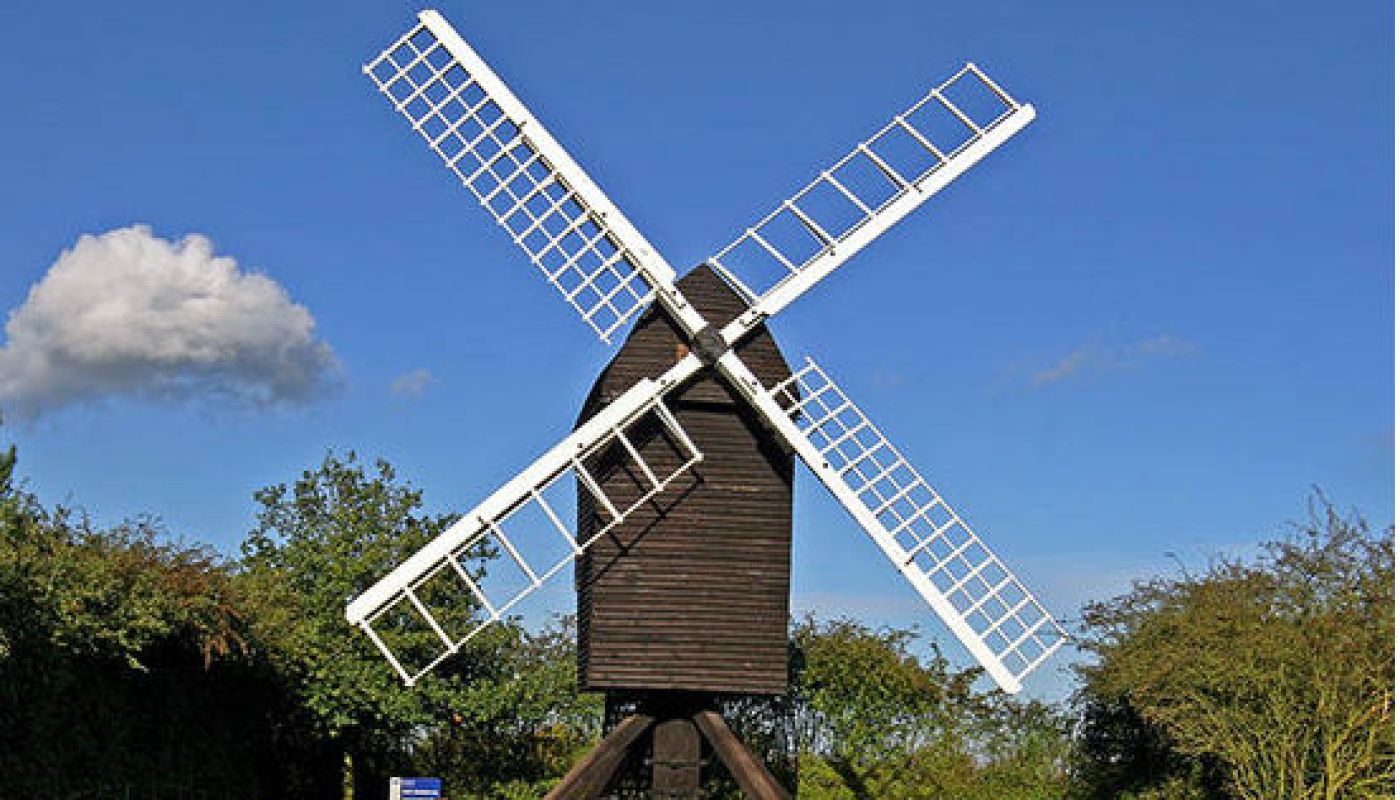
Lest I get accused of tilting at windmills, there are countless examples found elsewhere in the world. Every other German village has a vineyard called Sonnenberg or Schlossberg, the viticultural equivalent of Jane Smith. Meanwhile, Italy is renowned for its homonymy, wherein Montepulciano can either be a grape variety or a Tuscan red made from Sangiovese.
Nor is the New World immune from same-name syndrome. Plenty of Australasian wineries take the name of their appellation – Martinborough Estate, Martinborough Vineyard, Marlborough Estate, Rutherglen Estates, Barossa Valley Estates. Generally speaking however, countries with less entrenched viniculture have the freedom to be more creative with their names.
That makes it doubly inexplicable that that so many New World wines end up with the same generic clichés on their labels. The culprit must be marketing groupthink:
Listen up people. We need to name this new cuvée. It’s been made from all the wine that’s left over after we make our main blends.
‘Scraping The Barrel’?
This is no time for jokes. We need something that is unoriginal, meaningless and totally lacking in personality.
‘Winemaker’s Selection’?
Perfect!
The ultimate banality is ‘reserve’ – surely the world's most overextracted wine word. It is ubiquitous enough to merit its own wikipedia entry, in which it is variously defined as a wine:
- of higher quality
- of greater age
- selected from the best vineyards or barrels
- suited to longer ageing
- different in flavour
- of no distinction whatsoever
Like a campaigning politician, it promises everything and guarantees nothing.
Alternatively, there are the terms built into Europe’s appellation systems, which have the advantage of being legally defined but the disadvantage of being impenetrable to the uninformed.
The apogee of this system is found in Germany, where every conceivable variable is categorised. There are six terms defining the sweetness of the fruit at harvest and at least four different ones describing the sweetness of the finished wine, plus a host of names for various quality tiers involving numbers or stars. When you add in the name of the producer, village, vineyard and grape variety, German wine labels start to resemble short essays.
All this confusion is part of wine’s mysterious appeal, of course, and mastering its arcane nomenclature can be curiously satisfying for the wine scholar. However, there is a more damaging effect of having a commonplace name for your wine: Googleability.
In the internet era, being findable online should be an absolute imperative. Suckfizzle, Tignanello, Duckhorn – such names rank highly for uniqueness, and have the added bonus of being highly memorable.
Then there are those whose memorability is rather more awkward. Languedoc label Baron de Badassière is a relatively mild example compared with the magnificent Terre Arse Marsala. The Napa Valley’s Cleavage Creek is a barely concealed piece of titillation while Jost 4Skins is a facepalm triumph of pun over practicality which precisely nobody will want to ask for in a restaurant.

It's supposed to be easier to remember faces than names – so perhaps the label above is very clever, although I can't help thinking it's an 'e' away from disaster – but wine bottles are faceless, of course, even though they have necks and shoulders.
Names should therefore be a vital point of difference for a wine; an opportunity to lodge themselves into the public consciousness. Kanye and Kim could teach the wine industry a thing or two.