‘Who said you can’t age a $15 wine?’ I asked Instagram, presenting the platform with a photo of CVNE’s 2017 Monopole Clásico white Rioja I’d found in a shop that carries aged wines.
Sommeliers flooded my direct messages …
‘This wine is one of one.’
‘Michelin-quality pairing option + bistro price = beverage director’s dream.’
‘Shush, if you yell about it, I won’t be able to glasspour it anymore.’
I certainly hope that the last one isn’t true. Any restaurant pouring CVNE’s Monopole Clásico by the glass is a restaurant worth drinking at.
But I do understand the fear. White Rioja used to be a good bet for an affordable, ageable white wine, but there aren’t all that many excellent-quality traditional white Riojas and the best have become inaccessible. The classic blancos from López de Heredia? Allocated to an importer or distributor’s best clients and gone almost as soon as bottles hit shelves. Marqués de Murieta’s Capellanía? It’s over $100.
But CVNE Monopole Clásico? A dream of a wine at just $25. While the company that makes it dates to 1879, this cuvée is still relatively young, with the first vintage released in 2016. As it gets discovered, it will probably become harder to find. But maybe, if we yell about it, more Rioja producers will bring back old-school white-winemaking … but I’m getting ahead of myself.
CVNE, a massive company responsible for such venerable brands as Cune, Imperial and Viña Real, registered the brand name Monopole back in 1915 for their white Rioja (this makes Monopole the white wine with the oldest registered name in all of Spain).
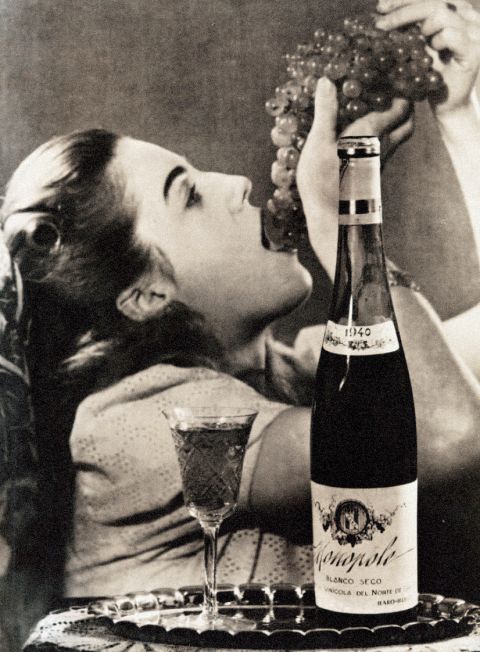
In the ensuing 110 years, the winemaking changed, responding to the innovations introduced in the latter half of the 20th century. The introduction of pneumatic presses, stainless-steel tanks and temperature control were eagerly adopted by forward-thinking wineries the world over. Ageing white wines was largely given up once technology allowed for the production of crisp, fresh whites. CVNE’s head of communications, Raquel Pardo, tells me that they can pinpoint the shift in style for Monopole. ‘Looking at Ezequiel García’s [CVNE’s winemaker from 1950 to 1973] handwritten notes and other testimonies from the winery team, we can place the change in the 1980s, when people’s preferences shifted and winemaking changed accordingly.’
By the early 2000s Monopole Blanco, like many other white Riojas, had become a fresh, fruity, thoroughly modern wine. (It still is.)
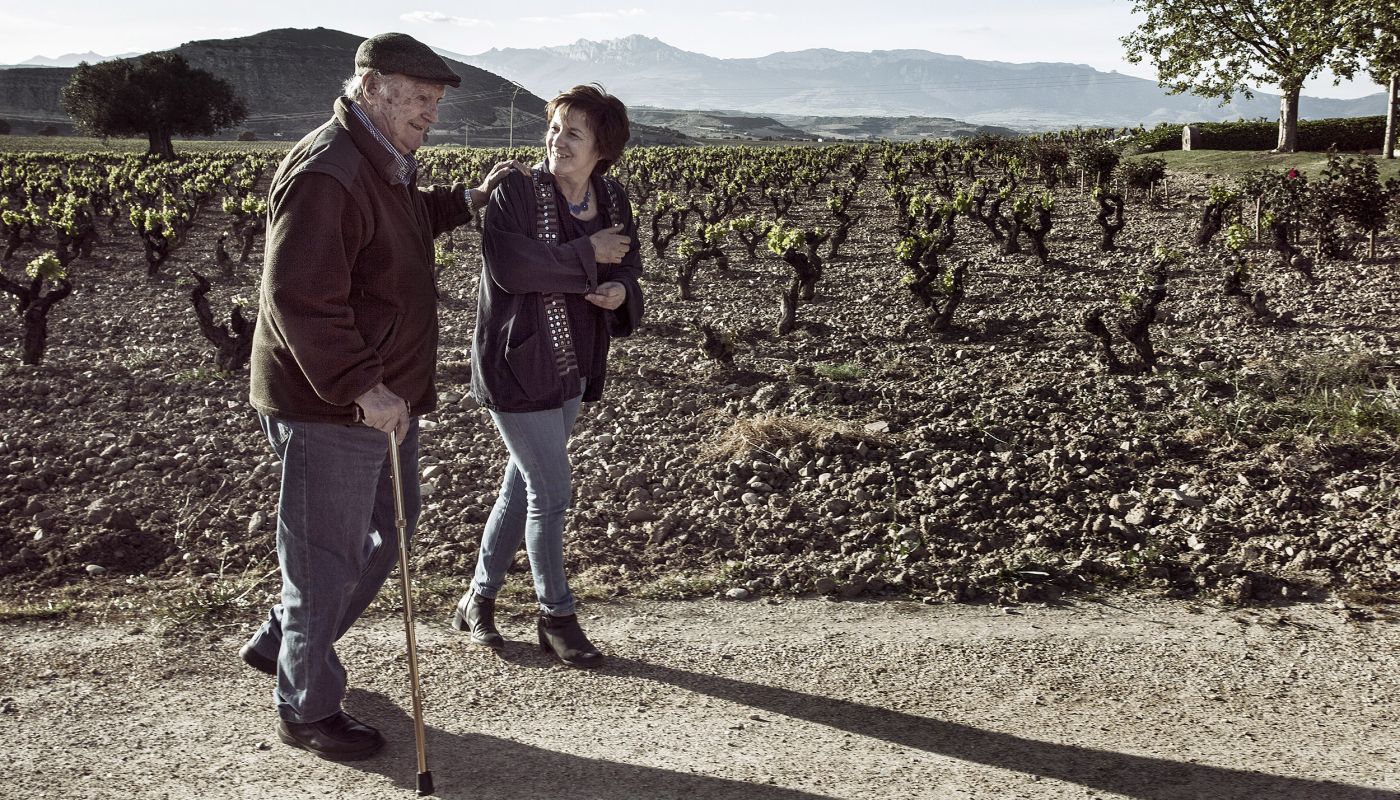
In the early 2010s, a customer was tasting at CVNE’s Monopole winery in Haro and made a comment about how much they’d loved the ‘old’ style of Monopole. The winemaking team, curious, dug up a wine from the 1970s and were struck by how balanced, delicious and original the wine was, with attractive salinity and nuttiness and rich, golden fruit. They decided, for the centenary of Monopole, they would relaunch wines made in the old way. So in 2014, the winery dug up old winemaking records and brought Ezequiel García (then 84) out of retirement to work with María Larrea, current technical director and winemaker, to create Monopole Clásico, a white Rioja made in the old style.

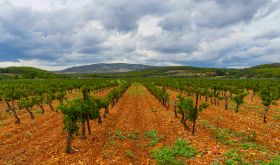
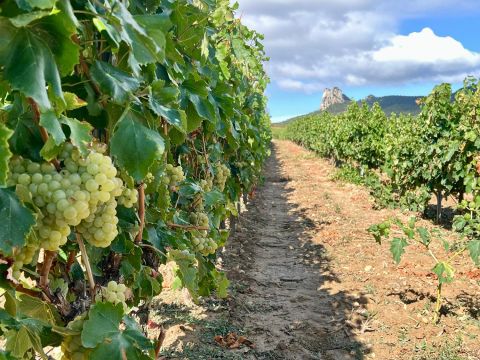
The duo began by selecting a 5-ha (12-acre) Viura vineyard in Villalba de Rioja in Rioja Alta – about 5 km (3 miles) north of Haro (towards the top left of this World Atlas of Wine map of Rioja) – as the base for the wine. At the time, the vines were around 10 years old, rooted in predominantly calcareous soils on an east-facing slope 600 m (1,970 ft) above sea level.
Today, the vines are 20 years old, and the CVNE team harvest their fruit in early October – a bit later than the fruit for the Monopole Blanco – to give more richness and a bit more alcohol. The grapes are hand-harvested into 20-kg crates and taken to the winery where they are crushed and the juice is left in contact with skin and stems for about 10 hours before pressing. After pressing, the must is transferred to concrete tank to settle.
It is then transferred to stainless-steel tank, inoculated and left to ferment at 17–18 °C. The new wine and its fine lees are transferred to old 500-litre sherry butts (which are made from American oak) as well as used 300- and 400-litre American oak barrels that previously held white Rioja.
The wine spends eight months in these barrels, with the wine in some barrels – generally those in the sherry butts – developing a thin layer of flor yeast that adds salinity and nuttiness to the final wine. That might sound surprising but this is in fact a variation on tradition: in the 1960s, CVNE finished Monopole by adding a small amount of manzanilla from Sanlúcar de Barrameda. These days, they do not add sherry but welcome the flor ageing as a reminder of the wine’s original recipe. The wine is then blended in concrete tanks and old foudres where it rests for a further year before being fined with bentonite and lightly filtered prior to bottling.
I adore this wine. Its rich fruit is complimented by American-oak aromas (present despite the fact the barrels were thoroughly used) of sweet coconut, spice and toast. Oxidative nutty notes add complexity and a good amount of mouth-watering acidity balances the wine. Despite its slightly unusual saltiness, the wine is immediately recognisable as a Rioja blanco – not because it tastes of the soil but because it tastes of the traditional winemaking of the area. I recommend that you buy at least half a case of the 2020 vintage. While you can enjoy it now, it would be a shame not to cellar at least a few bottles. It will improve for another decade easily.
Note that spending more than 6 months in oak has always qualified this (white) Rioja as a Reserva, but CVNE have only just begun putting this on the labels from the 2020 vintage – so you might come across older listings of this wine as plain Monopole Clásico.
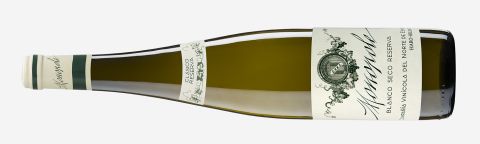
This wine, according to Wine-Searcher.com, is available in the US, the UK, Spain, Japan, the Czech Republic, Italy and Greece. In the US the lowest listed price is $24.99 from Bottle Barn. In the UK, the lowest price for a single bottle is £28 from Songbird Wines.
All images © CVNE.
To explore white Rioja – both old- and new-style – see our wine review database. See also Ferran Centelles’s article Old wines, old friends, on the beauty of well-aged Spanish wines.