The profiles below have been provided by Isabelle Anderbjörk, the head of marketing for the Gérard Basset Foundation.
Cong Cong Bo
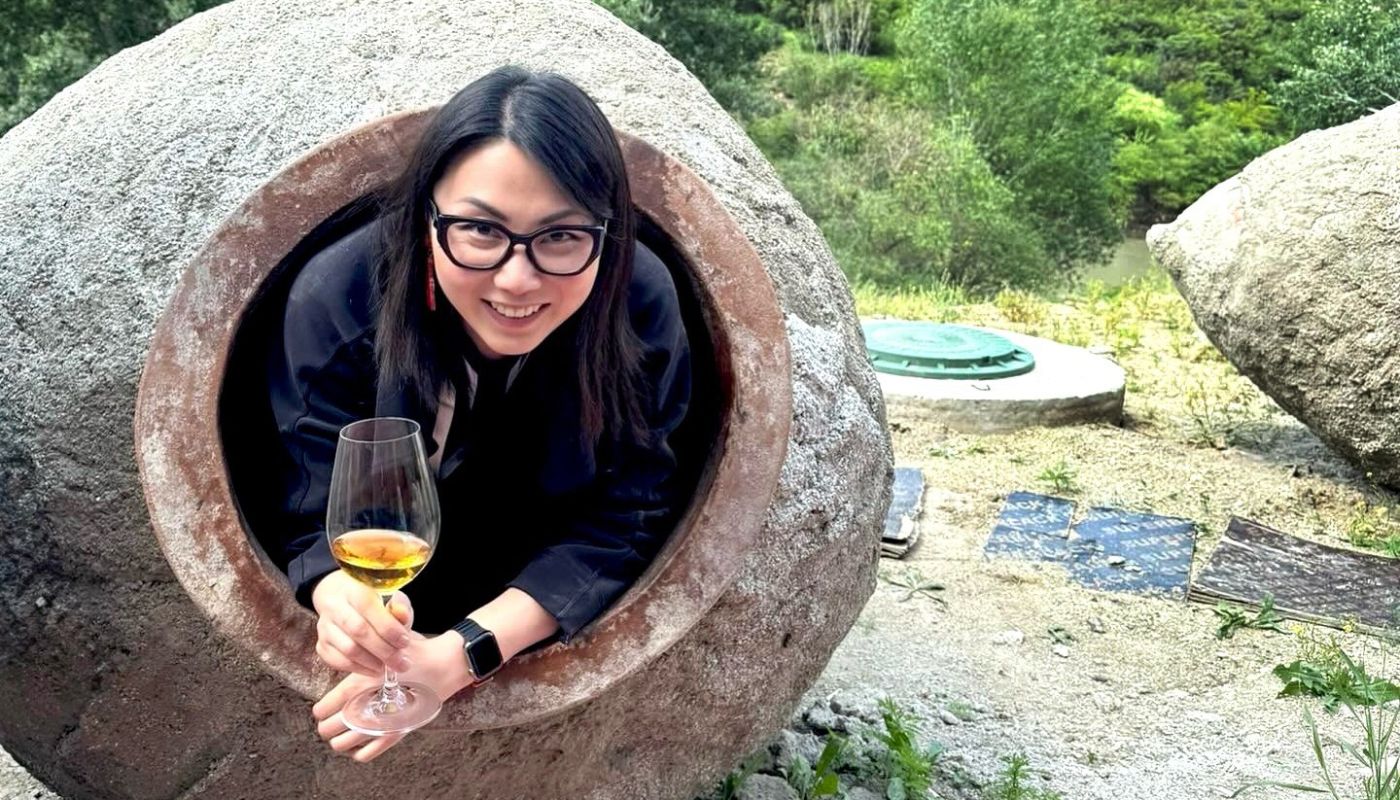
Just as tastings were beginning to sell out and customers had to be turned away on Fridays and Saturdays, Cong Cong Bo (pictured at the top of this article) found herself having to close the doors to her Cambridge, UK, wine bar three years after she had first opened them. The reasons were a break-in and her landlord reclaiming the premises. However, Bo’s work had not gone unnoticed: she was listed number 22 in Harper’s Top 50 Sommeliers in 2022, number 10 in 2023 and number 9 in 2024 for her work in increasing accessibility in the wine industry.
Bo studied medicine at Cambridge before she changed her focus to wine after a blind-tasting exercise. She says that she loved the thrill of decoding a glass and the idea that study and practice could hone her perception. She sought to expand her academic knowledge through completing the WSET Diploma as well as qualifying as a Court of Master Sommeliers (CMS) Certified Sommelier. She currently works as a freelance wine consultant and plans to write a book in a style which ‘brings advance science to life’. She has been enrolled in the Master of Wine programme since June 2024.
Anna Mantchakidi
Anna Mantchakidi first discovered wine when she moved to Sydney, Australia. Having grown up in Siberia, a region where vodka is the alcoholic beverage of choice, Mantchakidi’s interest in wine was piqued after she took a part-time job in a wine club. She grew determined to learn as much as she could, describing wine as ‘an endlessly fascinating, exciting and motivating subject and beverage’.
Since then, her aim has become to encourage others in their wine studies, whether it’s helping WSET students, participating in trade tasting panels or conducting consumer tastings. Additionally, she has volunteered for the Drinks Association’s Embrace Difference Council for four years.
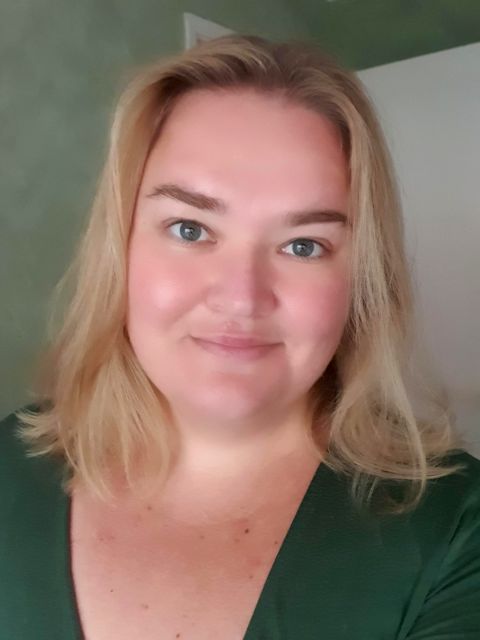
From a family she describes as ‘somewhat nomadic’ and having lost touch with its roots, Mantchakidi says that she finds the tradition and history of wine a comfort. She is particularly interested in the challenge of balancing the old with the new, especially in a time of shake-up related to climate change. As such, she has enrolled in the Master of Wine programme.
Cynthia Ribeiro-Richter
In 2007, at age 29, Brazilian native Cynthia Ribeiro-Richter found herself jobless in Germany. She’d moved there to be with her German partner, but discovered that Germany didn’t recognise her degree in statistics and Executive MBA. With no professional network and a limited knowledge of the local language, Ribeiro-Richter learned enough German to go back to school for a Master’s in social science at the University of Mannheim. But in 2010, her husband was transferred to South Africa, where, once again, she was told she’d have to start over, ‘as sociology from the Global North was considered fundamentally different from that of the Global South’. It was at that point she decided to pivot to something completely different: wine. She enrolled in WSET courses at the Cape Wine Academy and completed levels one through four, and, since she wasn’t able to gain a work permit, she helped out at the wine school and volunteered at wine fairs, receiving compensation in wine and experience.
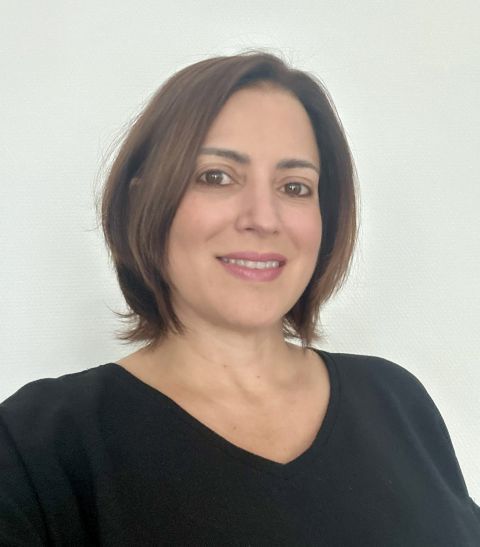
Upon her return to Germany in 2017, with limited capital to draw on, Ribeiro-Richter founded her own WSET Approved Programme Provider (APP) school in the Heidelberg region, an area which previously lacked structured wine education. Earlier this year, her school was approved to deliver EU-subsidised professional training, allowing her to open her doors to students who might otherwise not have access to this education. Ribeiro-Richter is currently waiting for her MW exam results and is hoping to progress to Stage 3.