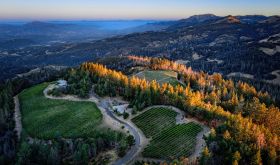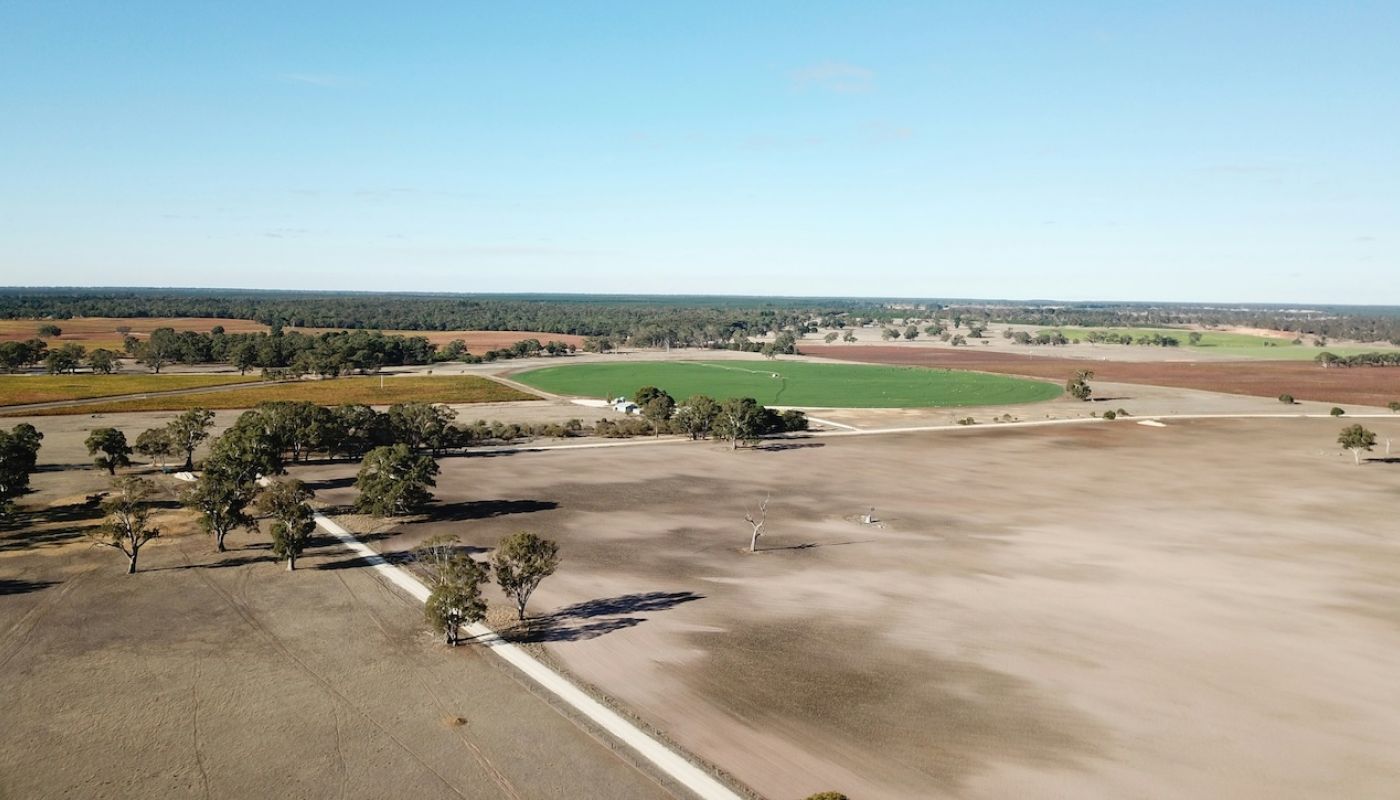
Cabernet Sauvignon may be the world’s most-planted grape variety but you’d hardly know it from where I sit. I can go for a long time without encountering a wine labelled Cabernet Sauvignon at the many professional wine tastings I attend. And the world’s most famous wines based on the grape, reds from the left bank of the Gironde in Bordeaux, are experiencing such a slump in demand that thousands of hectares of Cabernet Sauvignon vines are being grubbed up there because there is so little demand for their produce.
In Australia in particular, Cabernet Sauvignon has been out of the spotlight. Trend-conscious wine writers there such as our revered Australian columnist Max Allen, tend to be much more interested in the likes of Shiraz/Syrah, Pinot Noir, Grenache and the current woes of the Australian wine business in general.
Apart from a bump up in exports to China now that that shrinking wine market has lifted the punitive import tariffs imposed by the Chinese government on Australian wine imports in 2020, Australia’s wine exports have been declining. Having been the height of fashion in the late twentieth century, Australian wine has fallen from that height with a bump.
Enter, in the UK, Amelia Jukes, a one-woman flag-waver for the increasingly interesting wines of Australia. She once had a wine import company, artfully named Hallowed Ground, that specialised in importing fine wine from Australia into the UK but sold it to a bigger outfit better placed to weather the storm when Australian wine fell out of favour.
But today she is determined to make British wine professionals aware that, although the handful of big companies that dominate the Australian wine scene are struggling, Australia’s independent wine producers have a great deal to offer.
In May she organised a mega-tasting of Shiraz from top addresses which had my colleague and fellow Master of Wine Julia Harding salivating over ‘the increasing sophistication of Australia’s wines’.
Jukes followed this up last month with just as comprehensive a tasting dedicated to Australian Cabernet Sauvignon. Even when organising tastings for her old import company, she always tried to show a current vintage backed up by a mature one, and followed this admirable practice with her recent events.
Accordingly, 54 different Oz Cabs were shown, with the total number of different bottlings on the tables at 67 Pall Mall bumped up to 85 by all the older vintages.
It seemed as though London wine people anyway are ready to embrace Australian wines again as this was one of the liveliest, best-attended tastings I’ve been to in a while. We were all spoilt by an accompanying booklet with an unusual breadth of information about each wine, including whether the winemaking regime had changed between the older and younger vintages.
Quite rightly believing that geography and terroir are all-important, Jukes divided the tasting by region, from west to east, with the Cabernet capital of Margaret River in Western Australia having the lion’s share of the wines shown, as well as the oldest wine in the tasting, a 2001 Moss Wood, which should still be going strong for another seven years or so.
She followed a strict alphabetical order when lining up the pairs of wines on the tables, which meant that the very first wines of the tasting were Cullen’s irreproachable Diana Madeline Cabernets. This set the bar at perhaps an unfortunately high level but the tasting was by no means disappointing.
The cassis note that wine students are taught to associate with Cabernet Sauvignon was particularly pronounced in the wines of Margaret River, and also in those of Coonawarra, which was viewed as the source of Australia’s finest Cabernet until Margaret River came on the scene. Another characteristic of Cabernets from Margaret River and, especially, Coonawarra was a certain ‘stony’, mineral quality.
Cabernet Sauvignon grapes tend to be small and thick-skinned, which means that its wines are generally high in the tannins leached from grape skins into the fermentation vat. At the top châteaux in Bordeaux, where owners and winemakers are conscious that their wines are being drunk younger and younger, much effort in recent years has been put into lessening the impact of those tannins on the palate by monitoring their ripeness in the run up to the harvest in addition to simply measuring the sugar levels in the grapes. And a huge amount of work has gone into exactly how they are extracted so that they don’t dry out the palate when the wines are young.
On the basis of this tasting, I’d say this is less of a preoccupation among Australian winemakers. In fact, adding commercially available tannin is a perfectly legal practice in Australia. Perhaps toughness is a quality more admired in Australia than in namby-pamby northern-hemisphere markets.
On the other hand, in general, current examples of these Australian Cabernets tended to be more sophisticated than their older counterparts, with much subtler oak and, sometimes, less alcohol – echoing the global trend. Although red wines are meant to lose colour with time in bottle, some of the older vintages, the three 2010s and one 2012 from Coonawarra for instance, all looked much deeper and darker than their younger counterparts. This is perhaps a reflection of changing fashions in winemaking and wine appreciation.
Some of the reds most admired by younger Australian wine drinkers are extremely pale. Perhaps the naturally deep colour of thick-skinned Cabernet puts some of them off.
Unfortunately I had neither time nor stamina to taste everything. Being a particular fan of its Grenache and Shiraz, I gave McLaren Vale a miss but really regret not tasting the pair of Cabernets from Lake Breeze of Langhorne Creek because that often-overlooked region east of McLaren Vale is usefully cooler and its wines generally underpriced.
An utterly reliable, well-priced Australian Cabernet that can be quite easy to find is Wynns Coonawarra, Black Label. The current vintage 2020 is widely available in the UK from £25 a bottle. It was not included in this tasting but the 2021 vintage of its top stablemate, the John Riddoch bottling, was and will make a fine bottle one of these days. Wynns winemaker Sue Hodder works away in this isolated south-eastern corner of South Australia producing great wine (Shiraz, too) year after year, apparently unaffected by the travails of the owners Treasury Wine Estates, which has just had to sell off vineyards and close down a huge winery.
Not all of these wines were 100% Cabernet Sauvignon. Some had some Merlot, Cabernet Franc, Petit Verdot and, often, Malbec, in the blend.
Time for a revival of both Cabernet Sauvignon and Australia.
Favourite Australian Cabernets
These are current vintages. There were also other young wines as impressive but not yet as approachable.
Cullen, Diana Madeline 2020 Margaret River 13.5%
£80.65 One More Wine Shop and many others
Stella Bella, Suckfizzle Cabernet Sauvignon 2022 Margaret River 14%
AU$100 from the winery
Vasse Felix, Tom Cullity Cabernet Sauvignon/Malbec 2020 Margaret River 14.5%
£83 in bond Lay & Wheeler
Voyager, MJW Cabernet Sauvignon 2018 Margaret River 14%
£52.84 Weavers of Nottingham
Forest Hill, Block 5 Cabernet Sauvignon 2022 Mount Barker 13.8%
Expected to be £35 when it arrives in January at Yapp Bros
Kaesler, Age of Light Cabernet Sauvignon 2018 Barossa Valley 13.8%
£370 per case of 6 in bond Jeroboams, VinQuinn
Killikanoon, Tregea Reserve Cabernet Sauvignon 2018 Clare Valley 14%
£47.50 Waud Wines
Tasting notes, scores and suggested drinking dates in A celebration of Australian Cabernet. For international stockists, see Wine-Searcher.com.