Lettie Fardon writes Lettie is a wine enthusiast, educator, student, sales rep and imbiber, in no particular order. She is currently rediscovering her love of all things wine after two pregnancies, living in Madrid on a diplomatic posting and enjoying exploring Spanish wines.
A Lebanese Road Less Travelled
It was August 2019 and I was living in Beirut, Lebanon, when I had my special wine moment. My then partner (now husband) worked at the British Embassy. We lived in a corner of the city called Achrafieh, a French-speaking neighbourhood where fuchsia coloured bougainvillea framed the latest trendy restaurant. Parisian chic middle-aged ladies would say “merci keteer” (thank you very much) and Madeleine Peyroux or Fayrouz filled the air. Buzzy and hectic, yes – but I knew nothing of the real Lebanon. I’d just embarked on the Master of Wine programme and as such was eagerly visiting producers, keen to know more about Lebanon’s unique wine scene and asking all sorts of detailed geeky questions. I watched with glee as UK travel advice changed from red, to amber to green – Lebanon had opened up and I could explore, most notably the Northern Beqaa, previously off limits due to the occupation of ISIS in Aarsal. I’d recently met Farrah Berrou, who enthusiastically told me about Couvent Rouge cooperative and kindly arranged for us to meet with some of the team behind the ambitious project – Eddie Chami, Walid Habchi and Abdullah. I couldn’t quite believe that someone had been making wine near what had recently been the front line with ISIS, but the contrast seemed suitably Lebanese. With tunes blasting and us chit-chatting away like life-long pals, bonding over a mutual love of all things wine, we drove the scenic two hours from Beirut on the road to Damascus.
We arrived in Deir el Ahmar; the village was eerily quiet with little more than a stall selling manouche, a few churches and a Medco petrol station. As we approached, I noticed how barren many of the crop fields were, until I finally saw the familiar sight of vines on the side of the road, small but persistent green shoots. We climbed the dirt track to the winery which sat on the Beqaa plateau at 1,150 meters above sea level. Empty crates sat outside the winery, with a few stray grapes that hadn’t quite made it to the tank – the only sign of that morning’s harvest which had already finished. As we stepped out of the car, we were met by the fresh morning breeze and the pioneering Eddie Chami. He shared the story of the cooperative as we tasted their vivacious wines, explaining how the remarkable project to convert from cannabis to Cabernet began, with just four growers in 2010. At the time they had grown to working with 246 growers covering almost 300 hectares.
Cannabis is big business in Lebanon; despite being a country half the size of Wales they are one of the world’s biggest producers – mostly run and sold by Hizbollah, a radical political organisation which at the time the UK proscribed as a terrorist organisation. After tasting through the wines we walked out to look at the view. Eddie explained how row by row they began working with more and more farmers, patiently teaching them how to plant and grow grapes. The upfront investment was made possible by a generous subsidy from US Aid. The approach was nourishing and progressive – the results were clear to see with my own eyes and nothing like I’d ever seen before. This project was so much more than just producing quality wines, it was rebuilding a community once trapped by cannabis and Hizbollah. Hizbollah operated the supply chain, monopolising the market and the price of the crop, and razed the fields when they chose to. The community lived with the violence and uncertainty that came with the livelihood. Making the switch wasn’t an easy ask. Cannabis cropped twice a year and, despite the uncertainty, was temptingly lucrative in the short term and easy to grow. By contrast, grapes took at least three years to generate a decent crop and then produced one crop a year, of varying quality. The project paid a fair wage to producers each year when they were starting out – crucially maintaining cash flow in the initial conversion years for the farming families that solely relied on the income, and thereafter offering a minimum of $1.40/kg of grapes, which at the time was three times the going rate offered by some of the bigger players. They provided the tools needed to farm the land and facilitated meetings and classes to share expertise and teach the art of grape growing.
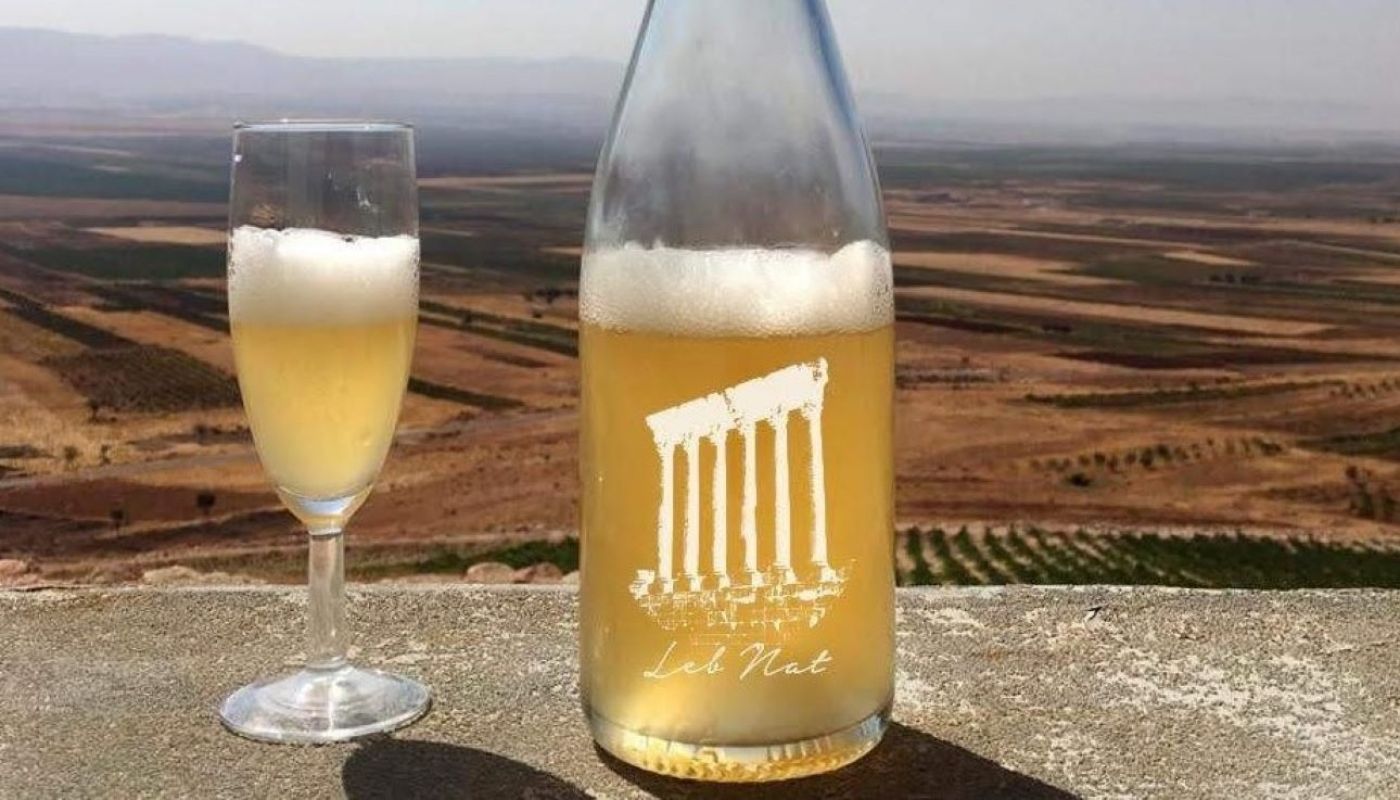
The wines were excellent, made using modern winemaking methods. Good hygiene and temperature-controlled tanks produced crunchy fresh reds and bright whites. The outstanding wine of the tasting was the ‘Racines White’ 2017 – a dry farmed Viognier, which spends 6 months in French oak. Textured, rich and fragrant, the altitude ensures acidity remains fresh and alcohol moderate but fruit fully ripe with hints of orange blossom and jasmine reminiscent of the Beiruti smells I’d grown to love. Another wine which was fun, but different and unique and seemed to encapsulate Lebanon, was their Leb Nat – Lebanon’s first PetNat made largely using the indigenous grape Obeidi. We tasted through the portfolio together, while stories of the Couvent Rouge journey were shared – all accompanied by delicious Sfeeha (small-folded pastry parcels filled with minced meat and spices) and local cheeses and meats.
Like their wines, their attitude to viticulture was refreshing too. They took a long-term approach planting varieties like Sangiovese, Tempranillo and Grenache for heat and drought resistance. In addition, using organic techniques so that the vines, like their owners, could support themselves. As we stare down the barrel of climate change it seems irresponsible to be doing anything other than conspicuously farming varietals suited to the climate, but it still appears the exception rather than the norm.
Visiting the Couvent Rouge winery was astonishing and opened my eyes to the possibilities and hope that the wine industry can offer, an industry both age-old and modern. A lot has since happened in Lebanon, but for me it was a moment when time stood still – teaching me so much about the majesty of wine.
The photo, of Couvent Rouge's Leb Nat, looking out over the North Beqaa in Lebanon, is the author's own.