この記事はAIによる翻訳を日本語話者によって検証・編集したものです。(監修:小原陽子)
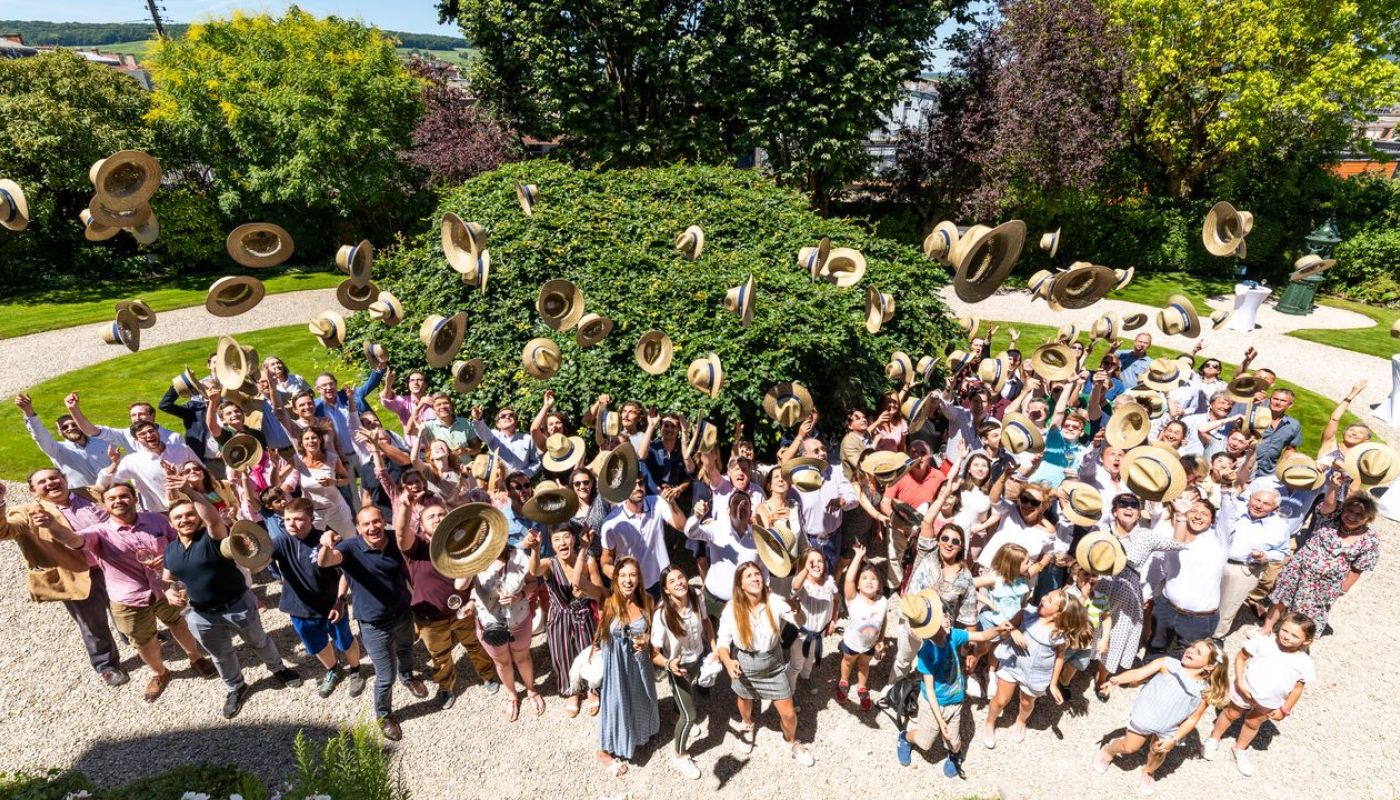
協力は競争より強し。そう判断した賢明な12のワイン一族について。この記事のショート・バージョンはフィナンシャル・タイムズにも掲載されている。上の写真は、2019年にポル・ロジェで開催された会合でのPFVファミリー・メンバーたち(撮影:ミカエル・ブドー(Michaël Boudot))。
バルセロナを拠点とする経験豊富なワイン業界のプロ、ニコラス・ロシュ(Nicolas Roche)は最近、プリムム・ファミリエ・ヴィニ(Primum Familiae Vini)という、12の有名な家族経営ワイン生産者が構成する何とも気取った名称のグループへ参加を打診された。メンバーにはボルドーの1級シャトーが2軒、ブルゴーニュの偉大な名門が1つ、14世紀にルーツを持つイタリアのワイン生産者、そしてドイツで最も有名なワイナリーも名を連ねる。
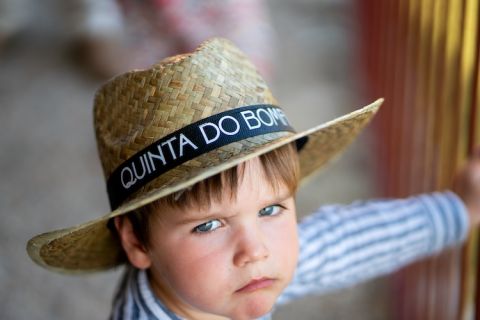
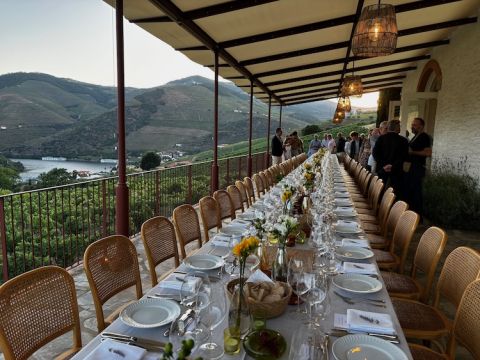
彼がこのグループのメンバーと初めて接触したのは、先々週末にポルトガルのドウロ・ヴァレーで開催された年次総会だった。彼はその集いが要求の厳しいエゴの塊たちの極めて堅苦しいものだろうと想像し、相当に気が重かったそうだ。だがふたを開けてみると、45人のファミリー・メンバーからなる参加者たちのカジュアルな親しみやすさに驚かされたという。参加者の年齢は、1639年に設立されたアルザスの生産者の最年少代表、4歳のガバン・ヒューゲル(Gabin Hugel)(写真上)から、シャトーヌフ・デュ・パプにあるシャトー・ド・ボーカステルのフランソワ・ペラン(François Perrin)(72歳)までと幅広かった。ガバンは夜遅くまで続く各種ディナーを最後まで頑張り通した一方、ペラン一族は最近ブラッド・ピットのミラヴァル・ロゼを手がけたことで運気は上々というところだった。下の写真は、初日の夜にキンタ・ド・ボンフィンでのディナーに到着する人々で、背景にはドウロ川が見える。
グループの議長職と、この年次会合の主催はメンバー間の厳格な持ち回り制だ。今年の主催者はグループ最大のワイン生産一族であり、おそらく世界最大でもあるシミントン・ファミリーだった。彼らは1882年からポートを製造してイギリスに出荷している。シミントン・ファミリー・エステーツでは9人のファミリー・メンバーがフルタイムで働いており、イベントに付随する小冊子で紹介された主催者のリストでは、圧倒的な人数の34人が紹介されていた。下の写真に写っているのはそのごく一部だ。
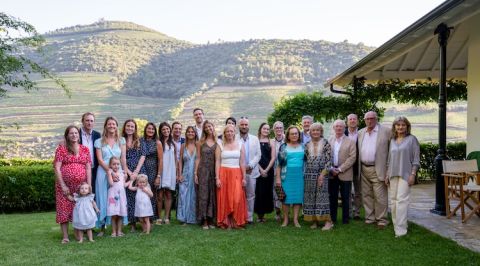
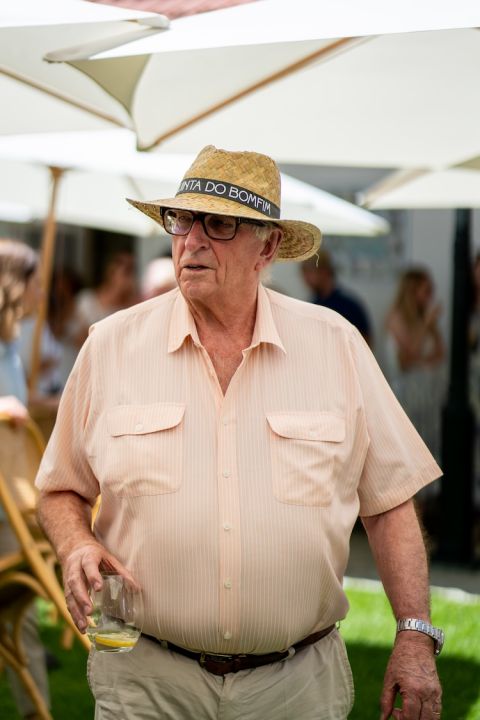
現在、同社は主に第5世代、30代と40代のメンバーによって運営されている。彼らの多くはイギリスで教育を受け現地で働いていたが、家族の会社で働くために故郷に戻ってきた。下の写真は、40歳のラーリー・シミントン(Larlie Symington)が午前中のテイスティングでグラハムズの40年熟成トウニーを紹介している様子だ。このテイスティングは、第3世代最後の生存者で、数十年間家族のチーフ・ワインメーカーを務めたピーター・シミントン(Peter Symington)(ラーリーの下の写真)の80歳の誕生日を記念しブレンドされた80年熟成トウニーで締めくくられた。

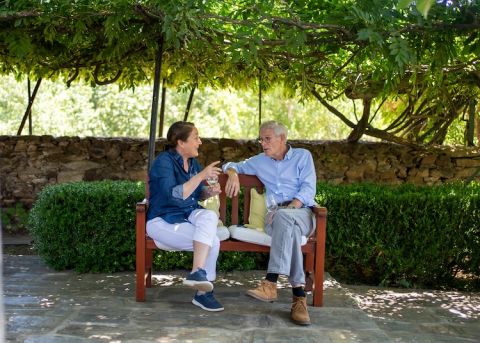
私は昨年2月、シミントン・ファミリー・エステーツの現在は引退した会長、ポール・シミントン(Paul Symingtonから2025年の会合で講演をするよう招待された。彼によると、この集まりは基本的に「パートナーや子供も含め家族のほぼ全員を招待します。犬を除いてね。いつも楽しくてインフォーマルで、他のワイン一族とワイン関連の多くの問題について内々に話し合いをする良い機会でもあります」とのことだった。下の写真では、キンタ・ド・ボンフィンの庭でのランチ前に、アルビエラ・アンティノリ(Albiera Antinori)と彼が静かに語り合っている様子がうかがえる。
ユネスコに祝福されたポート産地の唯一無二の美しさを知っている私としては、多くの関係者と知り合いだったこともあり喜んで参加することにした。会合では部外者として現在のワイン・シーンについての考えを彼らと共有したのだが、正直なところ、そこでニュースやゴシップも拾えるのではないかと期待していた。写真下は、講演前のランチでエゴン・ミュラー(Egon Müller)と一緒にいる私だ。背景にはマリマール(Marimar)の娘クリスティーナ・トーレス(Cristina Torres)が見える。

PFVは1991年、ブルゴーニュのブドウ畑での散歩をきっかけに設立された。散歩をしていたのはスペインのミゲル・トーレス・シニア(Miguel Torres Sr)とボーヌのロベール・ドルーアン(Robert Drouhin)だった。彼らの話題は、ワインのグローバル化と企業化が進む現状、そして家族経営ならではの特質を維持する必要性に移っていった。ワイン生産において特に重要な問題だ。ワイン生産が要求の厳しい株主に即座の結果を示すものではなく、(以下を読んでもらえばわかるように)長期的な視点を常に必要とするからだ。コカ・コーラ、シーグラム、ディアジオ、ペルノ・リカール、そしてコンステレーション・ブランズはどれもワインに手を出したものの、投資に対するリターンの遅さに失望し、完全あるいは部分的に撤退している。その点で世界最大のワイン会社、カリフォルニアのガロがいまだに家族経営であることは、大きな意味があると言えるだろう。

トーレスとドルーアン(上の写真は初日の夜に撮影したロベールの娘、ヴェロニク・ドルーアン(Véronique Drouhin))は、家族経営の企業はワインに特別な意味をもたらすだけでなく、彼らの結束にも意味があることに思い至ったという。経営を家族内に留めておく手段においても、経験、専門知識、知見を共有することにおいても、協力が大いに役立つはずだ。こうして誕生したのがPFVだ。
メンバーに誰を招待するかについては、興味深い会話があったに違いない。メンバーシップの公的な基準としては、その産地で最高のワイン生産者の1つと見なされ、家族経営であることが挙げられているが、ポール・シミントンによると最も重要な非公式基準は、彼らが「いい人である」ことだそうだ。
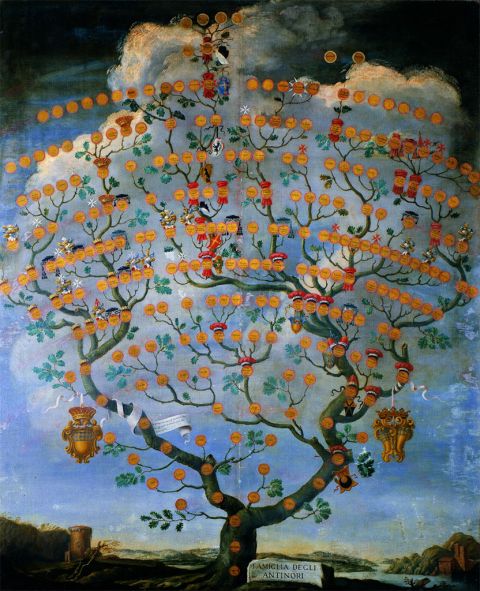
最初に選ばれた12社のうち3社がすでに売却されていることからも、ワイン業界における家族経営がいかに脆いかが伺える。また家庭内調和の重要性は、2004年にナパ・ヴァレーのロバート・モンダヴィ・ワイン・カンパニーがコンステレーションに売却された事例でも明らかだ。モンダヴィの椅子は、元祖スーパー・タスカン、サッシカイアの生産者テヌータ・サン・グイドに置き換えられた。同社はすでにメンバーとなっていた第26代アンティノリのいとこにあたる人物たちが運営している。彼らの家系図、(訳注:ファミリー・ツリー=家族の木)は下の写真の通りだ
2006年には不十分な財務管理が原因で当時最も有名なローヌの生産者だったポール・ジャブレ・エネ(Paul Jaboulet Aîné)がフランス系スイス人実業家、ジャン=ジャック・フレイ(Jean-Jacques Frey)へ売却されることとなった。ジャブレの椅子には南ローヌのペラン・ファミリーが座ることとなった。
その2年後には、ブルーノ・プラッツ(Bruno Prats)がボルドーのシャトー・コス・デストゥルネルをスイス人実業家ミシェル・レイビエ(Michel Reybier)に売却し、グループのメンバーは11に減少、以来明確な体制が整わないままに長年辛うじて運営されてきた。そんな中、毎年ただ楽しく会合をするだけでなく、もっと多くのことに取り組むべきだと提案したのがテンポス・ベガ・シシリアのパブロ・アルバレス(Pablo Álvarez)だった。小規模ながら執行委員会を設立、2010年には事務局長を雇い(再びヨーロッパ以外にも手を広げるべきかなど)多くの議論を経て、2018年にシャトー・オー・ブリオン、ラ・ミッション・オー・ブリオン、カンテュスを所有するディロン家が12番目のメンバーに招かれた。

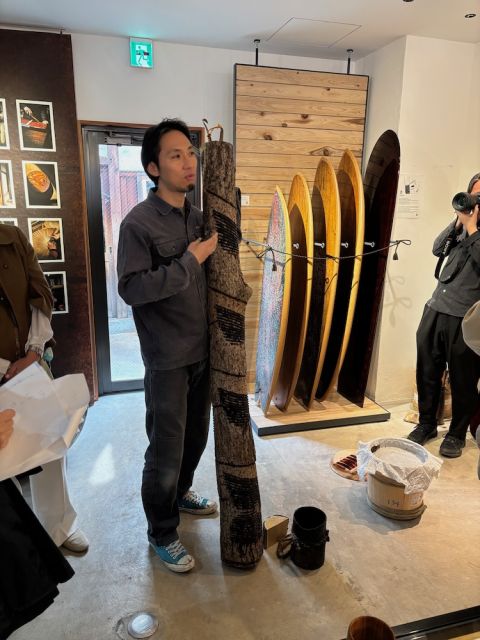
クラレンス・ディロン・エステーツを運営するルクセンブルクのロベール王子(写真上左)は、チャールズ・シミントン(Charles Symington)から議長職を引き継いだばかりだ。彼はシミントンに、1882年に最初のシミントンがそこに到着する直前にイギリス人ジョン・ディクソン(John Dixon)が書いた、ポルトのドウロ川にかかる有名な橋の設計委託を巡るライバル、ギュスターヴ・エッフェルへ祝福を伝える手紙を寄贈した。ドウロで過ごした週末の直後、彼は電話で私に、PFVに招待されたことは「名誉」だと語った。特に彼は2020年に制定されたイニシアチブに注目している。PFVが2年ごとに、ワインとは関係ない家族経営の企業で持続可能性の模範となる企業を表彰していることだ。今年の賞は京都の堤家に贈られた。彼らはUV耐性のある漆を開発することで日本の伝統的なお椀から美しいオーストラリア製サーフボードまで漆製品の多角化に成功、家族が継承してきた伝統的な漆事業を継続させている。なお、この賞への次回応募締切は2026年3月31日だ。下の写真は、昨年4月、4代目漆アーティストの堤卓也氏が受賞直前にPFVメンバーに自分の作品を説明している様子だ。
現在このグループは、質素な農民や営業マンとしてビジネスを始めた者から王子に至るまで、メンバーの幅が広いことを誇る。ドウロで過ごした週末の間、過去34年の歴史について尋ねてみると、グループの故・男爵夫人(フィリピーヌ・ド・ロスチャイルド(Philippine de Rothschild))がいかに大きな影響をもたらしたかという点に改めて気づかされた。彼女は決して詳細なワインの知識を持ち合わせていたわけではないが、女優としての経験から効果的に声明を出す手段を心得ていた。彼女の「私たちの誰もPFVに属する必要はない」という彼女の言葉は、現在も繰り返し使われている。今では彼女よりは控えめな息子たち、フィリップ(Philippe)とジュリアン(Julien)が一族の代表を務めている。

この年次会合では、世代を超えた交流にも絶好の機会も提供する。上の写真は、エゴンの娘イザベル・ミュラー(Isabelle Müller)とポールの息子ロブ・シミントン(Rob Symington)だ。長年、主要な話題は後継者問題と相続税だったが、近年はブドウ畑の土地価格の異常な高騰と、それに伴う問題として所有権を持つ家族メンバーが必ずしもワイン業界に関わっていないという現状、そのうえでいかに独立性を保つかが課題となっていた。だが今年の会合では、世界的なワイン消費量の減少と、それに対応するため、潜在的な顧客やブランド・アンバサダーと直接的な接点を生み新たな収入源となりうるワイン・ツーリズムを発展させる必要性に多くの関心が寄せられた。
シミントン家は、オポルトが観光地として人気が高まっている点に触発されツーリズムに熱心に取り組んでいる。現在、3つのビジター・センターと4軒のレストランを経営、ドウロ・ヴァレーで小さなホテルを開業する計画もある。最近引退したジョニー・シミントン(Johnny Symington)会長の娘ヴィッキー(Vicky)によれば、現在観光事業は売上の10%を占めているということだ。
そしてもちろん、彼ら全員にとって気候変動の影響は劇的だ。2021年にようやく技術委員会を設立、(父ピーターの後を継いだ)チャールズ・シミントンがそれを率い、その後ミレイア・トーレス(Mireia Torres)に引き継いだ。下の写真はアタイーデ(Ataíde)での最後のランチで、テヌータ・サン・グイドのハインリッヒ・ザイン=ヴィトゲンシュタイン(Heinrich Sayn-Wittgenstein)の隣に写るのがミレイアだ。。

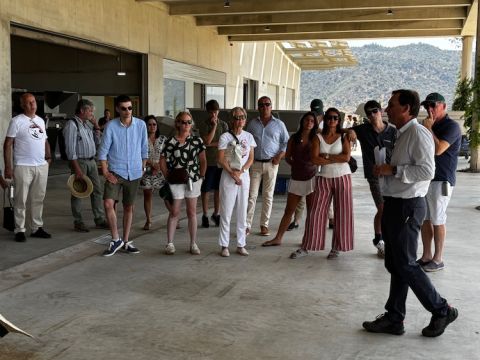
ますます暑く乾燥していく夏を緩和する対策については多くの議論がなされてきた。今年は、特別に培養された添加用酵母ではない自然酵母の活用、EU規制への対応、そしてサステナブル建設などが話題となった。アッパー・ドウロにあるLEED認証を受けた真新しいアタイーデ・ワイナリーはチャールズの設計で、彼はそれを誇らしげにグループに披露した。下の写真は、その新しいワイナリーで撮影した参加者の一部とチャールズだ。
しかし、おそらく今年最も重要な進展は、次世代に特化した委員会を設立する決定だろう。(焼けるように暑い)この週末、彼らの仲がいかに良いかは明らかだった。彼らの間で交わされるアイデアや技術情報、そして親に対する不満すら、確実に利益をもたらすのは間違いない。
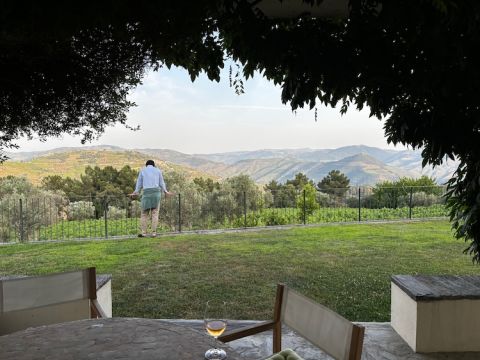
上の写真は、テヌータ・サン・グイドのルドヴィコ・ザイン=ヴィトゲンシュタイン(Ludovico Sayn-Wittgenstein)がドウロ・ヴァレーを思慮深く眺めている様子だ。彼はシミントン家でインターンの経験がある。
上記の素晴らしい画像は全て、PFVの依頼でイベント全体を忠実に記録したルマ(Luma)の撮影だ。
PFVのおすすめ
12のメンバーは非常に高価なワインも造っているが、以下に選んだのは各生産者から1本ずつ、コスト・パフォーマンスが良く、今楽しむことのできるワインだ。
ヒューゲル・クラシック・リースリング 2022 アルザス(Hugel Classic Riesling 2022 Alsace) 12.5%
£8.50 ハーフボトル ザ・ワイン・ソサイエティ
シミントン・ファミリー・エステーツ:メンデス&シミントン、コンタクト・アルヴァリーニョ 2024 ヴィーニョ・ヴェルデ(Symington Family Estates: Mendes & Symington, Contacto Alvarinho 2024 Vinho Verde)、モンサォン・エ・メルガソ 12.5%
£16 ザ・ワイン・ソサイエティ
ジョゼフ・ドルーアン 2022 ショレ・レ・ボーヌ(Joseph Drouhin 2022 Chorey-lès-Beaune) 13.5%
£30.90 ウェイトローズ・セラー
マルケージ・アンティノリ、バディア・ア・パッシニャーノ・グラン・セレツィオーネ 2018 キアンティ・クラシコ(Marchesi Antinori, Badia a Passignano Gran Selezione 2018 Chianti Classico) 15%
£35.95 ディヴァイン・ファイン・ワインズ、£42.50 オネスト・グレープス
ファミーユ・ペラン、クロ・デ・トゥレル 2020 ジゴンダス(Famille Perrin, Clos des Tourelles 2020 Gigondas) 14.5%
£42 ザ・ワイン・ソサイエティ
テヌータ・サン・グイド、グイダルベルト 2022 IGTトスカーナ(Tenuta San Guido, Guidalberto 2022 IGT Toscana) 13.5%
£53.59 ボルドー・インデックス
ファミリア・トーレス、マス・ラ・プラナ・カベルネ・ソーヴィニヨン 2018 ペネデス(Familia Torres, Mas La Plana Cabernet Sauvignon 2018 Penedès) 14.5%
£55 ロンドン・エンド
バロン・フィリップ・ド・ロスチャイルド:シャトー・ダルマイヤック 2010 ポイヤック(Baron Philippe de Rothschild: Ch d’Armailhac 2010 Pauillac) 13.5%
£68.51から レイ&ウィーラー顧客向け
ポル・ロジェ 2018 シャンパーニュ(Pol Roger 2018 Champagne) 12.5%
£69.97 ノース&サウス、£84 ザ・ファイネスト・バブル
エゴン・ミュラー、シャルツホーフベルガー・リースリング・カビネット 2020 ザール(Egon Müller, Scharzhofberger Riesling Kabinett 2020 Saar) 9%
£122.52 ヴィニファイド・ワイン(2018ヴィンテージのノートを参照)
テンポス・ベガ・シシリア、バルブエナ5º 2020 リベラ・デル・ドゥエロ(Tempos Vega Sicilia, Valbuena 5º 2020 Ribera del Duero) 14%
£139.26 フォー・ウォールズ・ワイン・カンパニー
ドメーヌ・クラレンス・ディロン:ル・クラレンス・ド・オー・ブリオン 2016 ペサック・レオニャン(Domaine Clarence Dillon: Le Clarence de Haut-Brion 2016 Pessac-Léognan) 13.5%
£140 ウェイトローズ・セラー
テイスティング・ノート、スコア、おすすめの飲み頃についてはデータベースを参照のこと。各国の取扱店についてはWine-Searcher.comを参照のこと。
基本の復習
| なぜワインは企業経営に向かないのか |
|
そもそもブドウ畑を確立するまでに3年かかること、さらにフル生産に至るには7年ほどかかることが挙げられる。ブドウの樹は少なくとも25年間は植えられたままとなるため、市場の嗜好の急な変化に対応するのも難しい。だが、近年は既存の台木に別のブドウ品種を接ぎ木し、その変化に対応する傾向が強まっている。 伝統的製法のスパークリング・ワインの生産者(ほぼすべてのイングリッシュ・スパークリング・ワインの事業もこれに当たる)は、投資回収までにさらに多くの時間を必要とする。リリース前にワインを長期間熟成させる必要があるためだ。 ビールやスピリッツとは異なり、ワインは年に1回しか生産できず、収穫されるブドウの品質と収量は毎年の生育条件によって大きく変動する可能性がある。ワイン生産者の経理担当を大いに悩ませるのは、ワイン生産者ではなく自然が主導権を握っているという点だ。毎年の傾向は世界的にますます予測不可能になっている。 (特にカリフォルニアの)ワイナリーの名前に「ファミリー」を組み込んでいる数の多さを見るに、この言葉には明らかにマーケティング的な価値があるようだ。ただし、ナパ・ヴァレーでは2代目まで存続するワイナリーの数は極端に非常に少ないことで有名でもある。 |