この記事はAIによる翻訳を日本語話者によって検証・編集したものです。(監修:小原陽子)
ワインの中には熟成によってその真価を発揮するものがあるが、必ずしも高価なワインというわけではない。この記事のショート・バージョンはフィナンシャル・タイムズにも掲載されている。
ワインならではの魅力の1つは、時とともに味わいが深まることだ。それは地球上の特定の場所を液体として表現する力、食事と美しく調和する力、そして社交の潤滑油として機能する力と並ぶ重要な側面だ。しかし、すべてのワインの品質が熟成によって高まる、というのは神話でしかない。瓶内熟成を経てその品質が高まるのは、生産されるワイン全体の10%に満たないからだ。だがその10%未満には世界で最も興味深いワインの多くが含まれている。
1本10ポンド未満のワインのほとんどは、若々しい果実味が最もフレッシュな状態で、できるだけ若いうちに飲むのが正解だ。これは20ポンド未満のワインの多くにも当てはまることだが、その最も明らかな例外はカベルネ・ソーヴィニヨンをベースにしたワインだ。この品種は価格に関係なく天然のタンニンが豊富なワインとなるためだ。
タンニンとは、濃い、あるいは冷たい紅茶を飲んだ時に感じるキシキシとした感触のことだ。ワインにおいてはブドウの果皮やオークから得られる「保存料」として機能する。それが時間の経過とともにワイン中の他の成分と結合し、熟成したワインのボトルに見られる澱を形成する。実はこの澱の存在こそ熟成を意図した本格的なワインの熟成度合いを示す良い指標だ。ただし、一部の生産者は濾過を徹底的に行うため、それほど澱が形成されない場合もある。
若いカベルネを評価する際、専門家はその若さゆえの硬いタンニンが柔らかくなるまで持ちこたえられる、十分な果実味や風味をワインが備えているか見極める。その条件が満たされていれば、若いうちは前面に出ていた力強い果実味が落ち着き、より緻密で繊細なニュアンスを備えたワインへと発展するからだ。これは色素であるアントシアニンなどワインに含まれる様々な成分が互いに反応した結果でもある。そしてこの反応は(カベルネ以外も含めた)すべての赤ワインが時間の経過とともに色を失い、深紅から淡いガーネット、そしてルビー、最終的にはオレンジがかった錆色へと変化する理由でもある。
ジロンド川左岸、メドックで造られる赤のボルドー・ワイン(こちらの『世界ワイン地図』のマップ参照)はカベルネで造られる典型的なワインだ。この地域では(近縁品種でもある)メルロをブレンドすることでワインに肉付きを与えることが多い。また、これら2品種の開花期が異なるため、その時期の悪天候に対するリスクヘッジとしてもブレンドは役立っている。その最も格式高い例が格付けシャトーで、シャトー・ラフィット、ラトゥール、マルゴー、ムートン・ロートシルトなどの1級シャトーがその頂点に立つ。格付けシャトーの醸造所における技術は日々進化しており、これらの高価なワインは以前よりずっと若いうちから飲めるようになった。だが私自身はその唯一無二の品質を存分に楽しむため、少なくとも10年、理想は20年以上熟成させたほうが良いと思っている。まさに長期的な資産だ。そのためには、容量の大きなワイン用冷蔵庫、できればセラーを持っていない限り保管費用がかかる(下記「基本の復習」を参照のこと)。
しかし、熟成を待っていられない人々の味方となるワインもある。近年の供給過多のおかげで今最もコストパフォーマンスの良いワインとされる、いわゆるプティ・シャトー、格付けシャトーよりも下位にランクされるボルドーのワインだ。彼らのワインは上述のワインとまったく同じ方針で造られているが、熟成はより早く進み、5〜10年で頂点に達する。星の数ほどあるこのクラスのワインの中から優れたものをとりわけ丹念に選び抜いているイギリスのワイン商としては、ヘインズ・ハンソン・アンド・クラーク (Haynes Hanson & Clark)、タナーズ (Tanners)、ザ・ワイン・ソサイエティ (The Wine Society) が挙げられる。
ザ・ワイン・ソサイエティは、例えばシャトー・シトラン 2016 オー・メドック (Château Citran 2016 Haut-Médoc)(13.5%)を22ポンドで提供している。私ならその魅力を最大限引き出すため、10年は熟成させたいし、45ポンドで提供されているマグナムならさらに長く保管するだろう。ボトルが大きいほどワインの熟成は遅くなり、通常はより一層素晴らしいものになるからだ。
熟成に値するワインの素晴らしいコストパフォーマンスの例としては、ヘインズ・ハンソン・アンド・クラークの扱う魅惑的でグラマラスなシャトー・ド・リード 2022 カディヤック・コート・ド・ボルドー (Château de Lyde 2022 Cadillac Côtes de Bordeaux)(14%)が挙げられる、わずか14ポンドだ。
もちろん現在ボルドーで入手可能なコストパフォーマンスの高いワインはスーパーマーケットのバイヤーも見逃さない。サンテステフ北部のシャトー・ソシアンド・マレ (Sociando-Mallet) は、各地のブラインド・テイスティングで高価な格付けシャトーを上回る成績を収め大きな話題を呼んだ。そのセカンド・ワインであるラ・レゼルヴ・ド・ソシアンド・マレ 2018 オー・メドック (La Réserve de Sociando-Mallet 2018 Haut-Médoc)(13.5%)は、テスコの多くの店舗やオンラインで30ポンド、タナーズでは29ポンドで入手できる。私なら少なくとも3年、できれば10年は待つだろう。
今はまだ「とっておき」として保存したい最近のボルドーのヴィンテージは2022、2020、2019、2018、2016、2015だが、ボルドー人たちは若いヴィンテージのワインに熟成したワインより高い価格をつけることで自分の首を絞めている。現在飲み頃のヴィンテージとしては2017(急いでいる人向け)、2014、2012、2009を挙げておきたい。
一方、他の地域のほとんどのカベルネや、ボルドーを模して造られたブレンドもセラーでの保管に値する。ボルドーのワイン業界には顧客に瓶詰前のワインを購入させる習慣があるのと対照的に、彼らは飲み頃に近くなってからリリースする傾向がある。西オーストラリアのマーガレット・リヴァーのカベルネとボルゲリの赤ワイン、それらよりもう少し繊細なカリフォルニアのカベルネも、熟成によってその真価を発揮してくれる。
南米は、セラーで保管する価値のある、手ごろな価格の赤ワインの宝庫だ。エラスリス、グラン・レゼルバ・カベルネ・ソーヴィニヨン 2022 アコンカグア (Errázuriz, Gran Reserva Cabernet Sauvignon 2022 Aconcagua)(13.5%)はチリ産。非常に洗練された見た目で、あと10年は十分に楽しめるものだが、テスコではたった11.50ポンド、ウェイトローズでは12ポンドだ。マジェスティックのマルセロ・ペレリティ、シグネチャー・カベルネ・フラン 2021 ウコ・ヴァレー、メンドーサ (Marcelo Pelleriti, Signature Cabernet Franc 2021 Uco Valley, Mendoza)(13.5%) は数年寝かせるという「忍耐」に必ず報いてくれるワインで、1本で購入すると18ポンドだが、6本セットなら1本あたり12ポンドとなる。
バローロ、バルバレスコ、ブルネッロ、キアンティ・クラッシコなど上質なイタリアの赤ワインは、セラー熟成させるべき「とっておき」の有力候補だ。フォリアーティ、トレトゥルネ 2019 バローロ (Fogliati, Treturne 2019 Barolo)(14.5%)は、ベリー・ブラザーズ・アンド・ラッド (Berry Bros & Rudd) で46ポンドだが、飲み頃となるまでにはまだ数年かかるだろう。一方、ロベルト・ヴォエルツィオ (Roberto Voerzio)やパオロ・スカヴィーノ (Paolo Scavino)などの2021ヴィンテージはジャステリーニ・アンド・ブルックス (Justerini & Brooks) からケース単位で入手でき、2040年代前半まで熟成が可能だ。
クエルチャベッラ、リゼルヴァ 2021 キアンティ・クラッシコ (Querciabella, Riserva 2021 Chianti Classico)(14%)は、今後10年はその複雑さが増し続けるトスカーナの優良ヴィンテージのもの。レイ・アンド・ウィーラー (Lay & Wheeler) から42.72ポンドで購入できる。さらに若く、より安価なのはフォントディ 2020 キアンティ・クラッシコ (Fontodi 2020 Chianti Classico)(14%)のマグナムで、ザ・ワイン・ソサイエティで59ポンド。来年のクリスマス前に開けるなどと考えず、2040年までセラーで寝かせるのが吉だ。どちらもこの産地最高の生産者だ。
ありがたいことにリオハの生産者は飲み頃になってからワインをリリースする伝統を維持してきたが、テルモ・ロドリゲス (Telmo Rodriguez) など新世代の生産者はほとんどが例外だ。彼の単一畑のイハル 2021 リオハ (Yjar 2021 Rioja)(14.5%)は、今年のビヨンド・ボルドー・テイスティングのスターの1つだった。安くはないが(ヴィナティス (Vinatis) で131.12ポンドから)、保税保管のみで取り扱うレイ・アンド・ウィーラーが語る「伝説の誕生」という評価には同意したい。
スペインのもう1つの重要な赤ワイン産地、リベラ・デル・ドゥエロのほとんどのワインもリリース直後はかなりタンニンが強い。アアルト 2021 リベラ・デル・ドゥエロ (Aalto 2021 Ribera del Duero)(14.5%)のタンニンは実に見事にコントロールされているから今楽しむこともできるが、数年間の熟成に(特にジャステリーニ・アンド・ブルックスが1本98.90ポンドで在庫しているマグナムなら)間違いなく報いてくれるだろう。
長期熟成に最も向いている赤ワインの候補はもちろん、ヴィンテージ・ポートだ。若いポートに見られるタンニンや凝縮した各要素が相互作用し柔らかくなるまで何十年でも待てる、いや待つ必要がある。
他の赤ワインの生産者で、長期熟成を目指したワインを造る者はそれほど多くない。赤のブルゴーニュは最近特に、若いうちからより飲みやすい傾向にある。一方、オーストラリアで最も有名な生産者であるペンフォールズ (Penfolds) は、自分たちが造る濃厚な赤ワインの熟成ポテンシャルを誇っている。黎明期のペンフォールズ・グランジ、つまり1950年代のヴィンテージですら、今でも見事な味わいだ。ペンフォールズによれば、ベリー・ブラザーズ・アンド・ラッドで25.50ポンドという、はるかにシンプルで安価なペンフォールズ、ビン 28 シラーズ 2023 (Penfolds, Bin 28 Shiraz 2023)(14.5%)ですら、2043年まで待てるということだ。
昨年7月に詳しく書いたソーテルヌは最も寿命の長い白ワインなのだが、残念ながら甘口ワインは今の流行ではない。一方辛口の白ワインについては、今世紀初頭に白のブルゴーニュが大量にプレマチュア・オキシデーション(早期酸化)によって台無しになったこともあり、長期熟成させることに慎重なワイン愛好家は少なくないだろう。
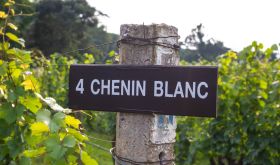
最も人気のある2つの白ワイン用ブドウ品種、シャルドネとソーヴィニヨン・ブランは、もちろん例外はあるものの、超長期の熟成を意図する品種ではない。一方、私の愛するリースリングは熟成によって得られるものが大きい場合がほとんどで、本格的なシュナン・ブランも同様だ。リースリングは瓶内でまさに「進化」するから、比較的安価な若いワインでも急いでボトルを開ける必要はない。この品種が高く維持する酸のおかげだ。私は何十年も前のドイツのリースリングを楽しんだ経験もある。先日飲んだアルザスのヒューゲル、ジュビリー・リースリング 2009 (Hugel, Jubilee Riesling 2009) も美味しかった。少なくともあと4年は持つだろう。
ただ残念なことに、この秋に開催された大手小売業者のテイスティングではリースリングがあまり多く見られなかった。その中でドイツ・ワインの忠実な支持者であるハワード・リプリー (Howard Ripley) とジャステリーニ・アンド・ブルックスはエキサイティングな若いワインを揃えていた。2045年まで「とっておく」価値があると思った「超伝統的」な手法で造られた辛口のワインがカール・レーヴェン、「1896」リースリング 2024 モーゼル (Carl Loewen, 1896 Riesling 2024 Mosel)(12%)だ。ジャステリーニ・アンド・ブルックスは保税価格で6本入り275ポンドで販売しており、私自身も非常にそそられている。だが果たして、その最高の状態を楽しめる時まで私は生きていられるのだろうか?
これは、セラーがすでに在庫過多になっているワイン・コレクターの皆さん共通の課題だろう。明らかな解決策が一つある。コルクを抜くことだ!
テイスティング・ノート、スコア、おすすめの飲み頃については286,000件のデータベースを参照のこと。各国の取扱店についてはWine-Searcher.comを参照のこと。
基本の復習

ワインの保管方法と保管場所 |
|
ワインの保管には低い温度(約13°C)に維持すること、劇的な温度変化がないことが求められる。振動や強い光から守られるのが理想だ(特にシャンパーニュや透明なガラス瓶のワインはリスクが高い)。
以下に関する訳注:イギリスの例なので日本国内の例とは条件が異なる場合が多い点をご承知おきください。
プロのワイン保管倉庫は、温度と湿度の管理を保証した環境を提供してくれるが、もちろん費用が掛かる。料金は通常、混載でない12本入り1ケースまたはその一部に対して年単位での請求で、一般的な保険も含まれていることが多い。多くはワインの売却支援も提供している。彼らが保管するワインの大部分は、関税及び酒税が支払われる前の保税保管だ。これは海外の顧客や、イギリス国外を拠点とする誰かにワインを販売する選択肢を残したいイギリスのワイン・コレクターにとって理にかなう仕組みだ。 ほとんどのイギリスのワイン商は顧客のワインを保管するサービスを提供しており、通常は下記の2大ワイン保管会社のいずれかを利用している。
オクタヴィアン (Octavian) ウィルトシャーの田園地帯の地下深くにあるコーシャム・セラーズ (Corsham Cellars) と、チッペナム郊外の空調完備の格納庫にあるコラーン・リザーブ (Colerne Reserve)を提供。個人顧客には、保管ケース数に応じて年間ケースあたり17.31〜19.80ポンド+VAT を課金。最低料金は年間100ポンド。取扱手数料は別途。
ロンドン・シティ・ボンド (London City Bond) 主にワイン・スピリッツ業界向けに設計された倉庫16カ所を所有。個人顧客にはバートン・オン・トレントのイートン・パーク倉庫またはキダーミンスター近郊のドレイクロー・トンネルズを提供。料金は年間ボトルあたり1.14ポンド(12本あたり13.68ポンド相当)。最低75ポンド。保険は含まれない。 その他の専門ワイン保管業者には、サリーの大きな防空壕にあるロック・キング・ヴォルツ (Locke King Vaults)、フラムのビッグ・イエロー・セルフ・ストレージ (Big Yellow Self Storage)、バタシーのスミス・アンド・テイラー (Smith + Taylor)のロッカーなどがある。
独自の保管施設を持つワイン商は以下の通り。
エイヴリーズ/レイスウェイツ (Averys/Laithwaites) グロスターに専用保管施設を持つ姉妹会社。標準料金は年間ケースあたり12.60ポンド。
ベリー・ブラザーズ・アンド・ラッド (Berry Bros & Rudd) ベイジングストーク近郊とアンドーヴァーに大規模な倉庫保管施設を所有。標準料金はVAT込みで年間ケースあたり17.28ポンドだが、他にもいくつかのオプションがある。彼らはBBXというオンラインのワイン取引プラットフォームも運営している。
レイ・アンド・ウィーラー (Lay & Wheeler) イプスウィッチ郊外にある姉妹会社コテリー・ヴォルツ (Côterie Vaults) の専用倉庫で個人顧客向け保管サービスを提供。標準料金はVAT込みで年間ケースあたり21ポンドだが、他にもいくつかのオプションがある。
セックフォード・ワインズ (Seckford Wines) サフォークにある保税倉庫で、他のワイン商から購入したワインの保管も受け入れる。料金は年間ケースあたり13.21ポンド、取扱手数料は無料。
ザ・ワイン・ソサイエティ (The Wine Society) スティーブニッジの本社にある一連の倉庫を提供。料金は年間ケースあたり10.80ポンドだがワインはザ・ワイン・ソサイエティから購入する必要があり、入会費として40ポンドが必要。 |
画像提供:コテリー・ヴォルツ (Coterie Vaults)。