この記事は、できるだけ早くお届けするためにまずAIで翻訳したものです。今後はAIに教育を行うことでその精度を上げること、それと並行し翻訳者が日本語監修を行った記事と、AI翻訳のみによる和訳記事を明確に分けることで、読者の皆様の利便性を最大限に高めることを目指しています。表現に一部不自然な箇所がある場合があります。ご了承ください。
アリソン・ウォレス (Allison Wallace) 著 アリソン・ウォレス (Allison Wallace) は、最近10周年を迎えた受賞歴のあるワイン・旅行ブログ「AdVINEtures」の共著者だ。85カ国以上を訪れた経験を持つ彼女は、グローバルな味覚と正式な訓練を組み合わせ、WSET Level 2とカナディアン・ワイン・スカラー (CWS) の資格を保持している。彼女のストーリーテリングは、深いワインの知識と土地への情熱を融合させ、グラスの向こうにいる人々と産地を捉えている。
シャルドネ…復権
私はABCの人たちを理解したことがない。Anything But Chardonnay(シャルドネ以外なら何でも)?冗談だと思っていた。しかし違った。Tシャツに印刷され、テイスティング・ルームで見かけ、他の点では理性的に見える人々がワイン・バーで劇的な軽蔑とともにささやいていたのだ。
どうやら、いつの間にかシャルドネは過度にオーク樽を使った時代の生贄になってしまったようだ。自らの人気に人質に取られたブドウ品種。私はそのメモを見逃していた。他の人々がその名前を聞いただけで身を引いている間、私はその多様な姿に深く恋に落ちていた。鋼のように鋭く精密なもの、豊潤でクリーミーなもの、骨格があってスパークリングのもの。
私にとってシャルドネは常にプリズムであり、サンドバッグではなかった。
シャブリ (Chablis) での痩身で石灰岩に彩られたエレガンスを愛してきた。よく熟成したムルソー (Meursault) やピュリニー・モンラッシェ (Puligny-Montrachet) の静かな力に驚嘆してきた。カリフォルニアでの復活を応援してきた。そこでは節制とテクスチャーが、サンタ・リタ・ヒルズ (Sta. Rita Hills)、ソノマ・コースト (Sonoma Coast)、サンタクルーズ・マウンテンズ (Santa Cruz Mountains) といった産地でこのブドウ品種を再定義している。マーガレット・リバー (Margaret River) やオレゴンから生まれる驚きについては語り始めたらきりがない。火山性土壌と野生酵母がシャルドネに独特のはつらつとした力 (verve) を与えているのだ。
このブドウ品種は究極の変幻自在者だ。個性に欠けるからではなく、極めて反応性が高いからである。耳を傾ける。吸収する。反映する。場所、土壌、気候、人の手、すべてが指紋を残し、私はそれに魅力を感じる。
だから私はABCの合唱に加わることはなかった。実際、そのメンバーを改宗させることを個人的な使命にしてきた。
それは難しいことではない。シャブリから始める。ミネラル感があり、直線的で、身の引き締まるような。バターもトーストもない。ただ冷たい石とレモンの皮だけ。あるいは冷涼な気候の畑からの単一畑ボトリング、野生酵母で発酵させ、ニュートラルな樽で育てたもの。注いで、待って、微笑む。
彼らの顔の表情はいつも同じだ。驚き、そして好奇心、そして改宗。
「これがシャルドネですか?」と彼らは尋ねる。
そう。そうなのだ。
なぜなら、シャルドネを嫌いだと主張する人の多くは、その一つのバージョンにしか出会ったことがないからだ。たいてい最も声の大きいもの。シャルドネは独白ではなく、対話なのだ。そして完全に聞かれるに値する。
私にとって、それはベンチマークでもある。ワインメーカーのビジョンを理解したいとき、私は彼らのシャルドネを求める。スチールタンクで発酵させるのか、オーク樽か?澱を攪拌するのか?早めに収穫するのか、熟すまで待つのか?シャルドネはすべてを露わにする。意図に報い、手抜きを罰する。ミニマリストの夢にも、マキシマリストの遊び場にもなれる。そして決して隠れない。
そのような正直さはワインでは稀だ。そしてそれが、他のどのブドウ品種よりも、シャルドネが毎年私に何か新しいことを教え続ける理由なのだ。
先入観を超えて見ることを教えてくれた。トレンドよりも自分の味覚を信頼することを。ニュアンスにより注意深く耳を傾けることを。単一の点に固執するのではなく、スペクトラムを受け入れることを。
今日、シャルドネは期待に挑戦したいときに私が持参するボトルであり続けている。穏やかに、説得力を持って。懐疑論者に、「白ワインは好きではない」友人に、驚かされる喜びを再発見する準備ができた誰にでも提供するワインだ。
これは、決して擁護を必要としなかったブドウ品種への私の頌歌だ。しかし、私は喜んでそれを擁護する。
シャルドネに捧ぐ。無限に表現豊かで、不当に中傷され、栄光に満ちた複雑なブドウ品種、私が最初から愛してきたもの。
そして私が改宗させたすべてのABCerに:どういたしまして。
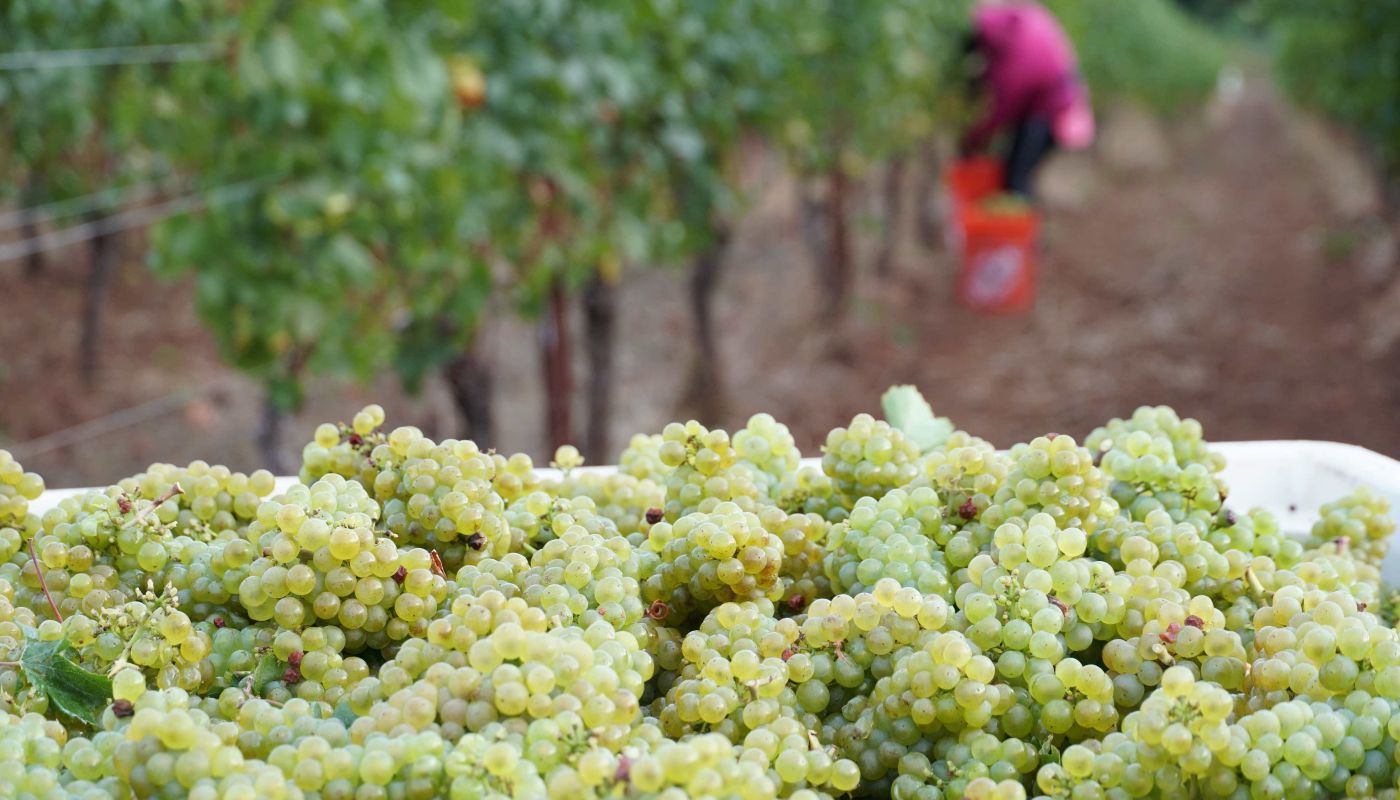
「オレゴンのウィラメット・ヴァレー (Willamette Valley) で収穫されたばかりのシャルドネのブドウ」とキャプションが付けられた写真は、著者自身のものである。