この記事は、できるだけ早くお届けするためにまずAIで翻訳したものです。今後はAIに教育を行うことでその精度を上げること、それと並行し翻訳者が日本語監修を行った記事と、AI翻訳のみによる和訳記事を明確に分けることで、読者の皆様の利便性を最大限に高めることを目指しています。表現に一部不自然な箇所がある場合があります。ご了承ください。
レイ・チュン (Ray Chung) について レイ・チュン (Ray Chung) はニューヨーク市を拠点とする認定ソムリエで、食べ物、ワイン、日本酒に深い好奇心を持っている。香港で児童文学の教育者として働いていた経歴を持ち、ニューヨークでワイン小売業やミシュラン星付きおまかせレストランのフロアで働いた経験があり、現在はワインと日本酒の分野で新たな機会を模索している。
グルナッシュ、私のグルナッシュ
wineberserkers dot com
これは何だろう? 私は料理芸術学院 (Institute of Culinary Education) で集中ソムリエ・トレーニング・クラスを受講していたが、講義を半分聞きながらウェブサイトをスクロールしていた。「NYC – 3月24日ブラインド・ワイン・テイスティング・ディナー – BIG, BOLD, YOUTHFUL」というタイトルのトピックをクリックし、これは行かなければと思った。ワインを2本持参するだけで、唯一のパラメーターは「若く、高アルコール、フルボディ、高アルコール度数で、1本は100ドル前後、もう1本は200ドル以上」というものだった。そんなに難しいことだろうか? このクラスにいるだけで、すでに300本以上のワインをテイスティングしていたのだから。
確かに、2025年の数日前にこのコースに登録する前は、ワインについてほぼゼロの知識しかなかった。なぜ登録したのか? 私は中年の危機を迎えている人の教科書的な定義そのものだった。2年前に故郷である香港とニューヨーク市の間を、またしても地球の半分を移動した私には、本当に故郷と呼べる場所がなかったのだ。あるいは2つの故郷を持つ男と言ってもいい。どちらにせよ、私の個人的な物語は、このワイン・ディナーの前提と非常に似ていた。
そこで私は、シン・クア・ノン (Sine Qua Non) 「ディステンタ II (Distenta II)」グルナッシュ 2020がその夜のワイン・オブ・ザ・ナイトになるという確信を持って参加した。その朝6時間デキャンタージュし、予算をわずかに超えた液体の金を皆に注ごうと期待していた。自宅の中古ワイン冷蔵庫に安全に保管し、ニューヨークの名物となる予定だったコークバズ (Corkbuzz) で華氏60度でサービスした。もう一本のワイン、G.D.ヴァイラ (G.D. Vajra) バローロ・ブリコ・デッレ・ヴィオーレ (Barolo Brico delle Viole) 2019と戦略的に対比させ、SQNの豪華さが輝く完璧なスポットライトを提供した。鴨胸肉のイチジク・ジュ添えとフラットアイアン・ステーキのボルドレーズ・ソースが提供されたちょうどその時、私は手を挙げてボランティアを申し出た。
丁寧な一口、穏やかな評価。うなずき。テーブルを囲む顔から読み取った一般的な合意は?「悪くない。何かはわからないが、悪くない」
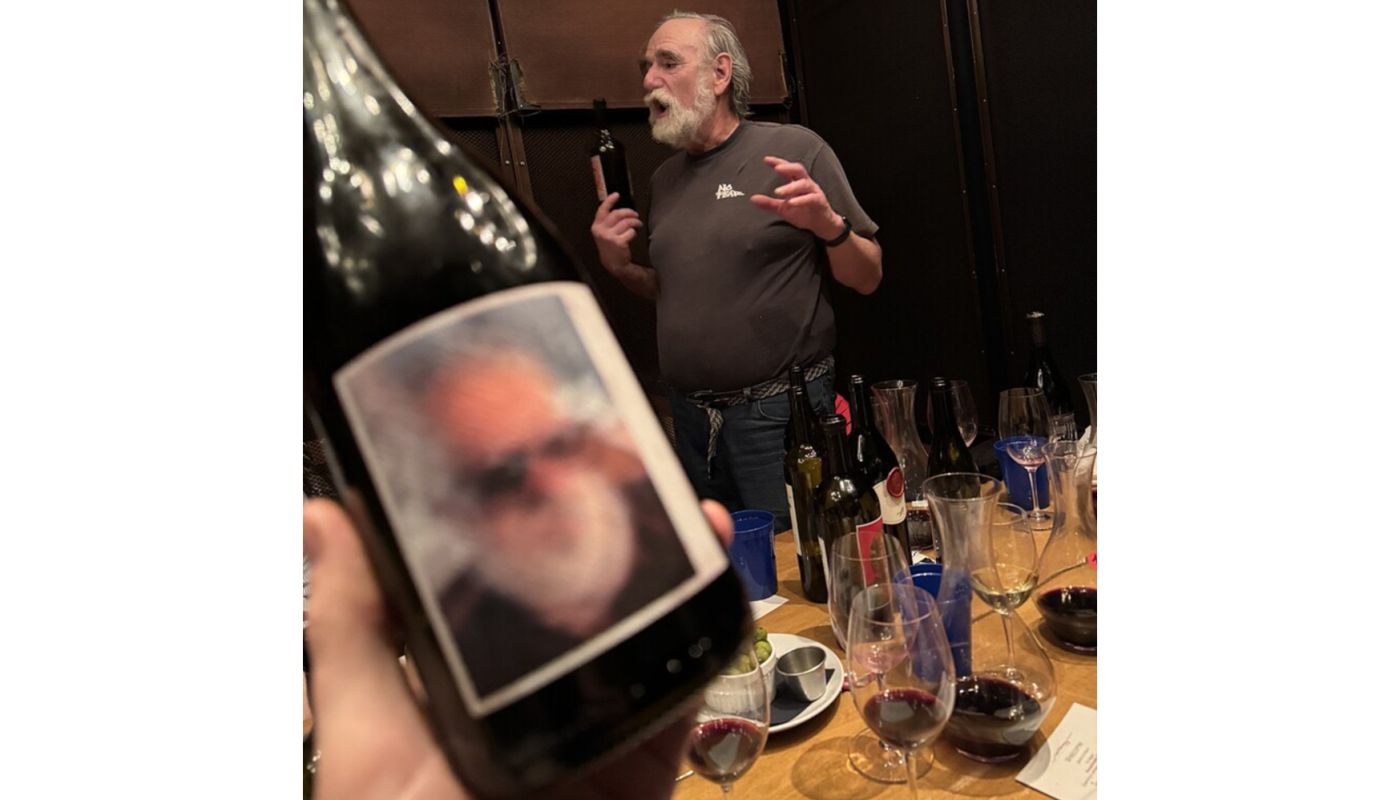
ビッグ・リビール(正体発表)の後、反応は様々だった。眉を上げる人もいた。一人は、私が彼らの時間と味覚を無駄にしたかのように、いらだった表情を見せた。数人はもう一度グラスに戻り、まるでもう一口飲めば自分たちの間違った推測を正当化できるかのように、再びテイスティングした。彼らが産地や国を間違えただけではなかった。ブドウ品種を完全に間違えていたのだ。
そして、それこそがグルナッシュについて私を魅了することなのだ。予想外なのである。あなたのテイスティング・グリッドに合うかどうかなど気にしない。典型性を追い求める人々に迎合しない。時間とともに変身するブドウ品種で、本当の自分を見せているときでさえそうなのだ。そして正直に言うと、いつそうでないことがあるだろうか? 互いに出し抜こうとしていた他のいわゆるワイン専門家たちとは違い、グルナッシュ、私のグルナッシュは、自分が何者であるかを示すことに恥じらいがなかった。
翌日、フォーラムをチェックしながら振り返った。誰も私のSQNを最も気に入らなかったことに驚きはなかった。なぜか? 超限定品で、批評家に絶賛され、思慮深くデキャンタージュされ、十分な時間をかけて空気に触れさせ、美しく表現されていた。おそらく大胆で力強く若々しいというテーマに合わなかったのだろう? アンドレミリー (Andremily) やレヴァ (Réva) のフルーツ・ボムの隣では、より控えめに見えたのだろう。まるで数分間のスワリングと香りを嗅ぐことで、人生の重要なことを決められるし、決めるべきであるかのように。
私はそれで構わないと決めた。他人の意見に関係なく、自分のワインを好きになろう。革手袋に包まれたニュアンス:スパイス、テクスチャー、そのフルーツ・ロールアップのヘルメットの下にある酸味、ゆっくりとした誘惑。これが私が同調していた周波数だった。これが税抜き244.99ドルの価値があると私が決めたものだった。自分の直感、舌、鼻を信じよう。
4月23日にはより多くのグルナッシュを、今度はガルナッチャ (Garnacha)を持参し、6月2日には別のカンノナウ・ディ・サルデーニャ (Cannonau di Sardegna)を持参するつもりだった。私は現れ続け、洗練し続けるだろう。私が今日の私であるのは、あの最初の高価なグルナッシュのボトルのおかげなのだ。
このブドウ品種は私に自分を信じることを教えてくれた。まだワインのルールを学ぼうとし、まだその場にふさわしい人のように振る舞い、聞こえるようにしようとしていた時期に、このブドウ品種は私のグラスに現れ続け、自分の好きなものを好きでいいのだと教えてくれた。骨格やセラー熟成に値する厳格さを追い求める必要はなかった。私はスパイス、果実味、そして(南部の)魅力を好んでもよかったのだ。私は他人を困惑させるワインを好んでもよく、私は自分の決断を支持するつもりだった。
グルナッシュは私がワインの世界に足を踏み入れることを、教科書や講義を通してではなく、経験を通して可能にしてくれた。自分の味覚に耳を傾けることを助けてくれた。私は今、人々にも同じ質を求めている。注目を要求しないが、それでも自分なりの方法でそれを獲得する人々。証明すべきものは何もないが、それでも個性と明確さを持って現れる人々。それが私にとってのグルナッシュなのだ。テーブルを支配するワインではなく、それがなくなった後もずっと記憶に残るワインなのだ。
私は今でもこのブドウ品種を、その多くの名前と姿で持参している。人々が間違って推測するとき、今でも心の中で微笑んでいる。そして今でもそれを愛している。もはや正しいかどうかの問題ではない。私にとって意味のあるものを共有することなのだ。そしてもしかすると、誰かに一瞬立ち止まってもらい、期待なしにテイスティングしてもらうことなのだ。あの最初の高価なグルナッシュのボトルは大きな拍手を得ることはなかったが、私の中に種を植えてくれた。そして、それはワイン・オブ・ザ・ナイトを獲得することよりもはるかに価値があることを学んだのだ。
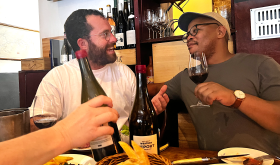
写真クレジット:ピーター・ブラッシュ (Peter Brush)。キャプション:「著者のグルナッシュが正体を明かしたニューヨークのブラインド・ワイン・ディナーでのテイスティングの瞬間」