この記事は、できるだけ早くお届けするためにまずAIで翻訳したものです。今後はAIに教育を行うことでその精度を上げること、それと並行し翻訳者が日本語監修を行った記事と、AI翻訳のみによる和訳記事を明確に分けることで、読者の皆様の利便性を最大限に高めることを目指しています。表現に一部不自然な箇所がある場合があります。ご了承ください。
シャーロット・アダムス・アルサーディ著 シャーロットはフィラデルフィアを拠点とする食品・ワイン・マーケティング・コンサルタントである。ボルドー大学のブドウ・ワイン科学研究所(Institut des sciences de la vigne et du vin、ISVV)でワイン・ブドウ畑科学の修士号を取得し、アルザスとペンシルベニアで収穫作業を経験している。寒さとサワードウ・パン作り、そして南アフリカの白ワインを愛するが、最近ある山のグルナッシュに心を奪われた…
夜の盗人
12月初旬の空に、クリーミーな太陽が溶けていった。ケープタウンのいつものざわめきは静まっていたが、雨の前の牛のように私の存在を調律する、一定の唸り声が空気中に漂っていた。それは南アフリカでの最後の夜で、東ケープ州と西ケープ州での丸2週間の旅の締めくくりだった。この国は私を甘やかしてくれた。ツィツィカマでのカヤック、モッセル・ベイでのジップライン、クワズール・ナタールでのサファリ、カルムースフォンテイン(Kalmoesfontein)でのピザ・ナイト、そして何日にもわたるワインメーカー訪問。残る最後の立ち寄り先は、パブリック(Publik)という小さなワイン・バーだった。人目につかない通りにひっそりと佇み、この国最高のニューウェーブ・ワインのローテーション・リストで知られている。数年間アメリカで南アフリカワインに携わってきた私は、ワイン愛好家の間でのパブリックの影響力をよく知っていた。
最後の夜の外出にふさわしい、見つけられる限り最もきちんと洗濯された服を着て到着した。夫は、この1週間私がワイン産地を駆け回ったせいで少し疲れ気味だった。サマセット・ウェストからリーベック・カステール、そしてピケット・ボ・ベルクからパールまで。私たちはバーに座り、開け放たれたアコーディオン窓に背を向けて、ペティアン・ナチュレルを2杯注文した。私の右隣には、新進気鋭のワインメーカーによるシュナン・ブランのボトルを開けたばかりの、控えめだが人当たりの良い男性が座っていた。彼は私たちにグラスを勧めてくれ、会話はすぐに彼の業界に対する鋭い知識を明らかにした。カルト・ワインのヴィンテージ違いをABCを歌う子供のように、陽気だが気取りすぎない無邪気さで次々と挙げていく。
私は新しい友人に「最後のボトル」の選択を尋ねることにした。もし彼が私の立場で、南アフリカでの最後の夜だったら、何を注文するだろうか?ためらうことなく、メニューを見ることさえせずに、彼は答えた。「サヴェージ・シーフ・イン・ザ・ナイト・グルナッシュ(Savage Thief in the Night Grenache)」。私はこの生産者のことは知っていたし、温暖化する世界で干ばつと高温耐性の象徴として静かに台頭するグルナッシュのことも知っていたが、ピーケニアスクルーフ(Piekenierskloof)産のこのワインは試したことがなかった。彼の確信を信じて、私はボトルを注文した。
---
私の最初のグルナッシュの記憶は、ワシントンD.C.の近所のワイン・バーでのサービス・スタッフの仕事にさかのぼる。そこではコート・デュ・ローヌのブレンドが、私の4つのシフト・ドリンクの選択肢の一つだった。それは私を感動させることはなく、私はしばしば代わりに私たちが愛情を込めてBJ(ベル・ジャルダン・ブラン・ド・ブラン、Belle Jardin Blanc de Blancs)と呼んでいたものを選んだが、グルナッシュ主体のブレンドは私の心の中で居心地の良い場所を占めている。厳しい冬の夜の終わりにちょうど良い選択だった。それでも時が経つにつれ、グルナッシュにはしばしば、絹のようなシラーの性的魅力や、その永遠のパートナーである左岸カベルネの威厳が欠けていることがわかった。それは興味をそそるものに欠け、古いレシピの規則に縛られていた。
数年後、私の考えは変わり始めた。初夏の夜、まだ涼しく動的な空気で心を落ち着かせてくれるような夜で、私はフィラデルフィア郊外のコンドミニアムのバルコニーに座っていた。私は意気消沈していた。ボルドーのトラムの音と歩きやすい街並みが、人生の最後の章への憧れを私に抱かせていた。仕事のテイスティングからグルナッシュのボトルを持ち帰っていて、27歳の郊外住民として特に予定もなく、コンテ・チーズを切ってグラスに注いだ。最初の一口は私がいつまでも覚えているもので、すぐに私の焦点を別の章へと向けた。バーモントでの子供時代、ブルーベリー摘み、蜂蜜色の太陽の下でジャムになる温かく潰れた果実の香り。そして私はメインにいて、年上になって、アカディアの松林でキャンプをしていた。腐葉土と岩から立ち上る森の空気の涼しい底流。それはS.C.パネル・オールド・マクドナルド・グルナッシュ(S.C. Pannell Old McDonald Grenache)のボトルで、私を北の故郷へと運び、傷を癒し、土の中の虫のように私の体に生命を呼び起こす南オーストラリアのワインだった。
長年にわたって他にもあった。ローレンス・ファミリー・ルア・イルゼ(Lourens Family Lua Ilse)、ラヤス(Rayas)の神聖な一滴、ウルフ・アンド・ウーマン(Wolf & Woman)の白いタイプまで。しかし、ダンカン・サヴェージ(Duncan Savage)のシーフ・イン・ザ・ナイトが、この品種に新たな次元を与えてくれた。それは極性だった。軽やか、浮力があり、その歩調はほとんどリズミカルで、それでいて重要で、地に足がついていて、一息でジョニ・ミッチェル(Joni Mitchell)の狂詩曲的な音域のようだった。長い間見過ごしてきた品種が、決して行くとは思わなかった旅の締めくくりとなり、この国とその人々への私の愛情を封印するのにふさわしかった。この山のワインの浮上と負荷のように、それぞれの性質が他方の前提条件となって、私は南アフリカの文化を相互機能の結果として見た。それは意味として理解できた。政府支援の欠如が仲間意識の原因となり、停電が結束エネルギーの火花となる。
---
夜が更けて窓際に座っていると、海からの涼しい突風を感じ、一日の火照りからの即座の安らぎを得た。私はグルナッシュが困惑するほどの比率のワインを造る能力について考えた。大きくて小さく、重くて軽い、すべてが一度に。世界的に鮮やかで新鮮なワインスタイルの先駆者としてのその価値について、X線のような太陽を処理し、他の品種が意志を失った後でも酸をよく保持する方法について考えた。そして、それがどのように場所の物語を語ることができるか、遠く離れた高原の小さな区画でありながら、より大きなものに属し、世界的な飲みやすさへの答えとして呼びかける。
私たちはキルトのような空の下を歩いて家に帰った。しわの寄った海の端で、残照の柔らかな燃えさしが休んでいる。夜の盗人が働いていて、一日の薄片を盗んでいた。まあ、何かが失われたが何かが得られた…
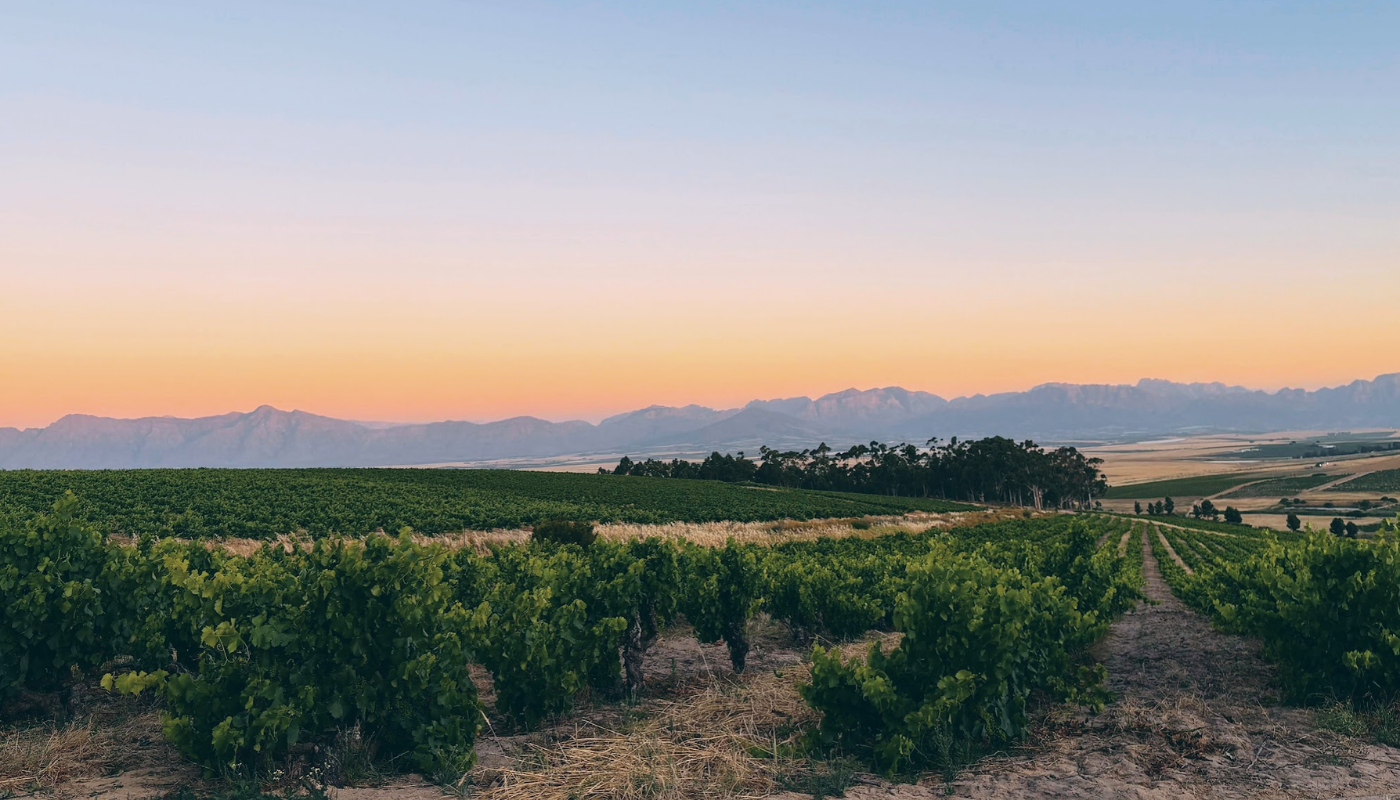
夕日の南アフリカのブドウ畑の画像は著者自身のものである。