この記事は、できるだけ早くお届けするためにまずAIで翻訳したものです。今後はAIに教育を行うことでその精度を上げること、それと並行し翻訳者が日本語監修を行った記事と、AI翻訳のみによる和訳記事を明確に分けることで、読者の皆様の利便性を最大限に高めることを目指しています。表現に一部不自然な箇所がある場合があります。ご了承ください。
サラ・ジャクソンについて サラ・ジャクソンは建築家の資格を持ち、ロンドンで都市景観コンサルタントとして働いている。都市景観について執筆し、都市景観、インフラ、現代建築に焦点を当てた建築ウォーキング・ツアーを主催している。サラは正式なワインの資格は持っていないが、学ぶことを楽しんでいる。
壁の宝物
シャスラへの頌歌
私はシャスラとの完璧な出会いを果たした。エペス (Epesses) にあるコミュニティ・ワイン・バー、レ・11・テール (Les 11 Terres) での偶然のテイスティング・フライトだった。私は壁を見るためにラヴォー (Lavaux) にいて、テラスを歩き、景色を楽しんでいた。4月の曇りの日で、日差しを浴びすぎて日陰で休憩が必要だった。
白ワインの小さなグラスが3つ。なぜダメだろう?最初のワインはクリスプで爽やか、2番目はより大きく、よりクリーン、3番目はさらにリッチで、ほとんどリンゴのような味わいで、舌にわずかな泡立ちがあった。次のワインを飲むとすぐに前のワインを忘れてしまった。味覚記憶が悪いのだ。しかし、どれも美味しく、それぞれが明らかに異なっていて、間違いなくまた飲みたいワインだった。
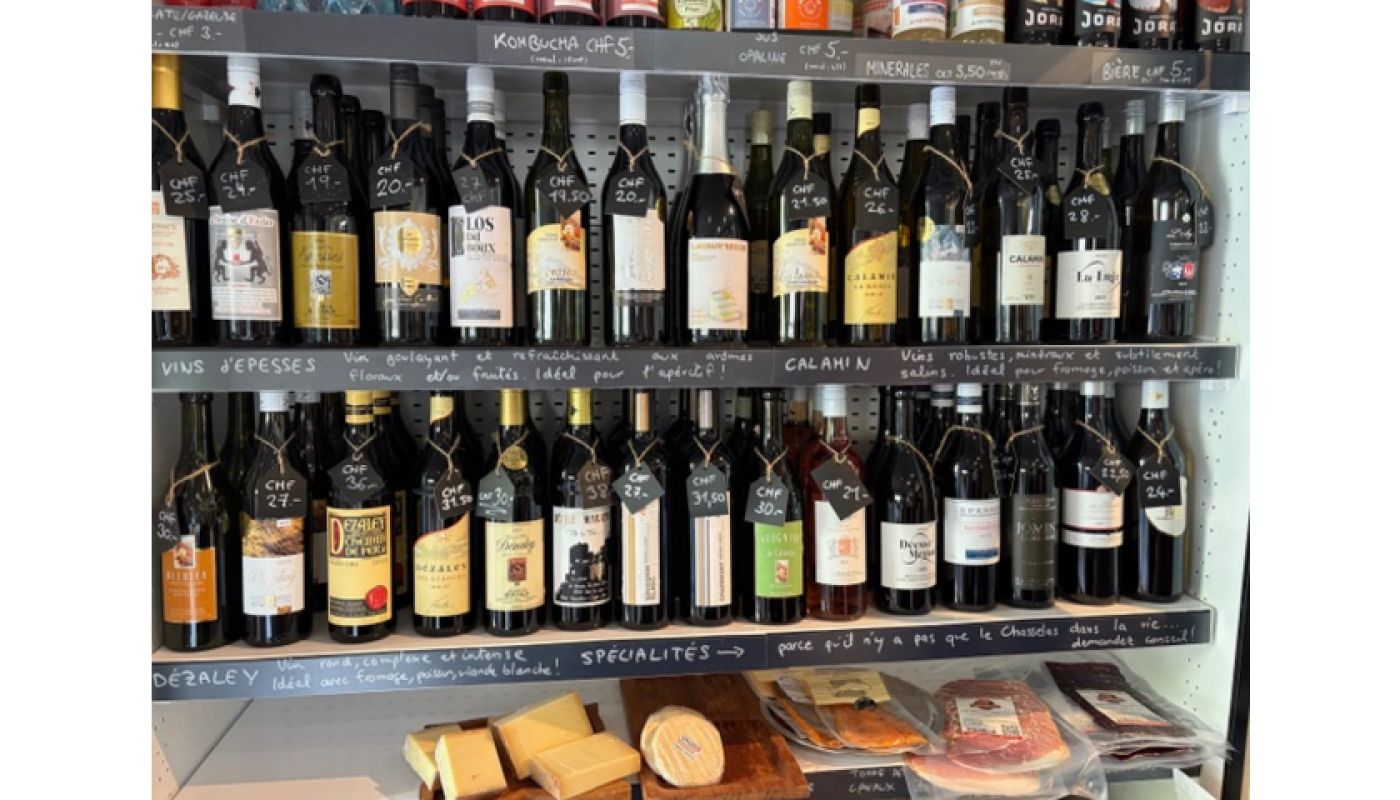
ジュリアン (Julien) がボトルを持ってきた。エペス・ラ・ペレール (Epesses La Perreyre)、カラマン・サン・ポール (Calamin Saint-Paul)、デザレー・シュマン・ド・フェール (Dezaley Chemin de Fer)。どれも私が座っている場所から1キロ以内で造られたものだった。これはワイン・マイル・ゼロ、私が歩いてきた土地から生まれた超地元ワインだ。私はラベルをスキャンしてブドウ品種を探した。ジュリアンは笑い、眉を軽蔑的に上げて言った。「シャスラです。すべてシャスラ」。もちろんだ。そして私がさらに質問する前に、「テロワールなんです...」
うーん、テロワール。恐ろしい。テロワールが土壌、地形、気候、技術の間の錬金術であり、土地で働く人々にとっての直感的な知識の一形態であることは理解している。しかし、同じブドウが、同じ場所で、同じ天候で、同様に熟練した造り手によって、どうしてこれほど多様なワインを生み出すことができるのか、私には単純に理解できない。
より安全な領域に戻り、そして私の専門的関心と世界遺産ラヴォーにいる理由に戻ろう。壁だ。壁と遺産、さらに良い。ワインを加えれば、ビンゴだ。私は建築家で、壁について考えることに不釣り合いなほど多くの時間を費やしている。
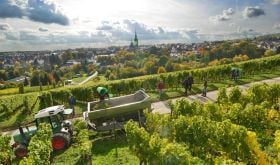
ラヴォーはすべて壁だ。私はその広がりと創意工夫に魅了されている。土地は急峻で、時には45度の急勾配で、壁は印象的に懸命に働き、背後にブドウ畑のポケットを保持している。これらの壁は12世紀に森林に覆われた斜面を開墾し、土地をテラス化した修道士たちによって建設された。テラスは等高線に沿っており、土地が急峻であればあるほど、壁の数が多くなり、生産性のある土壌のモザイクがより密になる。複雑な視覚的景観だ。防御的な崖を見上げ、湖に向かって跳ねる新鮮な緑の妖精の階段を見下ろす。そして景色。いつもその景色。山々、空、レマン湖の馬鹿げるほど美しい立ち止まって見つめる景色。
しかし間近で見ると、ラヴォーの壁は少し混乱している。ローヌ氷河がレマン湖を削り出した際に堆積したドリー・ミクスチャーのような石の寄せ集めは、粗く切られ、いい加減にモルタルで固められ、しばしばコンクリートで修繕され、規則的な積み方や統一された笠石もない。900年の石積み伝統には一定レベルの技術的一貫性があるだろうという私の仮定は見当違いだった。それはラヴォーの壁の本質ではないのだ。
翌日、私たちが壁を歩いているとき、ライカ (Laika) は「壁はワイン生産者の真の宝物です」と強調した。季節の早い時期で、壁にとっては良い時期だった。メンテナンスが完了し(「冬の仕事です」)、ブドウの樹は十分に細く、テラス化された土地の骨格が見えた。ライカはユネスコ世界遺産を支援する組織、ラヴォー・パトリモワーヌ・モンディアル (Lavaux Patrimoine Mondial) で働いており、私が壁を異なる視点で見るのを助けてくれた。
シャスラはどこにでもある。ブドウには早すぎるが、ブドウの樹は約束と希望で溢れている。新芽のシャスラの葉は豊かに厚く、ほとんど爬虫類のようで、オレンジがかった銅色の色合いがある。ブドウの樹は最初のギュイヨ剪定を受けたばかりで、ワイヤーに沿って横に伸び、誇示し、身をくねらせ、太陽と風への露出を最大化していた。
「内気なブドウです」とライカは主張した。「シャスラは土壌から個性を得るのです」。私たちはプディングストーンまたはpoudingueの巨大な板の前を歩いた。それは粗い石のコンクリートのように見え、実際にそのようなもので、地質学的コンクリート、シリカの糊で固められたアルプスの小石の礫岩だ。プディングストーンはラヴォーの基盤岩で、その分布は自然境界を作り、土壌の組成とその深さに影響を与える。
デザレー (Dezaley) を通り、2つの元修道院の納屋、クロ・デ・アベイ (Clos des Abbayes) とクロ・デ・モワーヌ (Clos des Moines) を過ぎ、元の森林開墾、壁建設、ブドウ植栽修道士たちの故郷を過ぎ、露出したプディングストーンの帯を過ぎ、最も崖のようなテラス壁を過ぎ、太陽から熱を放射している。それは厳しく禁欲的だ。デザレーは「荒涼とした」という語根から来ている。ここの土壌は貧しい。土地は厳しいが、ブドウに懸命に働かせることで報酬を得る。ここはグラン・クリュの領域だ。
私たちは歩き続け、高速道路と鉄道のコンクリートの傷跡に向かい、前方の密集した赤い屋根の村に向かった。対角線のプディングストーンの掃引の終わりで、ライカは地平線を指差した。「マルサン塔 (Tour de Marsens) から水路線を下に辿ってください」ライカは腕を振り、私の目が追った。「私たちはカラマン (Calamin) に入っています」。もう一つのグラン・クリュだ。「地滑りがありました。粘土質で深い土壌をもたらしました」。土壌は私の都市の目には同じに見えたが、明らかにプディングストーンがなく、景観は微妙に変化していた。より広く、より柔らかく、より開放的だった。壁が少ない。それほど急峻ではない。
私たちはコミュニティの区画を上り、ゲートを通って遊び場へ、エペスの中心部へと歩いた。ライカはトラクターの男性にうなずいた。「15代目です」と彼女は言った。プレッシャーだ、と私は思った。ここには明らかな継続性があるが、それは厳しく、すべての人が土地で生計を立てたい、または立てることができるわけではない。栽培者と生産者は複数の場所で小さな区画を所有し、借りている。まだ裸土でブドウを栽培する人もいるが、豊かな緑のコンパニオン・プランティングを奨励する人もいる。単一栽培を減らすためにブドウ栽培の実践は進化しているが、ライカは「物事が変わるには一世代かかります」と認めている。
レ・11・テールに戻り、シュマン・ド・フェールの祝杯を。乾杯!店は活気に満ちている。ジュリアンは忙しく注ぎ、栽培者、生産者、飲み手たちがおしゃべりしている。コミュニティのライフライン、「シャスラが王様」であるハブだ。シャスラに、テロワールに、レ・11・テールに乾杯!まさに壁の宝物だ。
ラヴォー・パトリモワーヌ・モンディアルのライカ・コリナッシ・ミショ (Laika Collinassi Michot) とレ・11・テールのジュリアン・シュピールマン (Julien Spielmann) に感謝を込めて。
写真は著者自身のもの。キャプション:「シャスラが王様、レ・11・テール、エペス」