この記事は、できるだけ早くお届けするためにまずAIで翻訳したものです。今後はAIに教育を行うことでその精度を上げること、それと並行し翻訳者が日本語監修を行った記事と、AI翻訳のみによる和訳記事を明確に分けることで、読者の皆様の利便性を最大限に高めることを目指しています。表現に一部不自然な箇所がある場合があります。ご了承ください。
アレクサ・サンフォード (Alexa Sanford) による寄稿 アレクサ・サンフォードはパリ在住のアメリカ人ソムリエ兼ワイン教育者だ。自由時間はワイン街道を旅し、友人たちとブラインド・テイスティングを企画して過ごしている。料理と読書を愛し、シュナン・ブラン、シェリー、ジュラのワインに特別な愛着を持つ。彼女の究極の目標は学び続けることである。
大人になったら、シュナン・ブランになりたい
「吐き出すって!吐き出すなんてできません」と私は抗議した。その考えに愕然としながら。なんて野蛮な!アルコールが禁じられているモルモン教の家庭出身のアメリカ人として、私はワインについてほとんど何も知らなかった。
「何十もの生産者がいて、それぞれが複数のワインを持ってくるんです。吐き出すか、ひどく酔っ払うかのどちらかです。テイスティングでは完全に普通の行為ですよ」と彼は道路から目を離さずに言い返した。
その道中、緑豊かな丘陵とブドウ畑が私たちを包み込むと同時に解放してくれるようだった。賑やかなパリを離れてフランスの田舎へ向かうのは心の癒しだった。しかも、私にとって初めてのワイン・テイスティングに向かっているのだ。
「ヴーヴレでは何のセパージュを使うんですか?」ブドウ品種を表す新しくて洒落たフランス語を覚えたことを誇らしく思った。ワインと食べ物に関するフランス語の複雑さは、威圧的であると同時に刺激的だった。
「シュナン・ブランです」と彼は断言した。
「シュナン・ブラン」と私はゆっくりと物思いにふけりながら繰り返した。学ぶべきことがたくさんあったが、どこかから始めなければならない。私の出発点は、2011年のロワール渓谷の薄暗い石造りのセラーでのヴーヴレAOCワイン・テイスティングだった。誰のワインをテイスティングしたかも、吐き出したかどうかも覚えていないが、知らず知らずのうちに、これが大きな冒険の始まりだった。そしてそれはすべてシュナン・ブランの一杯から始まったのだ。14年後の今でも、パリの小さなキッチンに心地よく置かれているグラスから。
その初回のテイスティングで、私はテーマパークの子供のような気分だった。威圧され、畏敬の念を抱き、もっと体験したくてうずうずしていた。それ以来、ブドウ畑を車で通り過ぎたり歩いたりするたびに胸が躍る。それは美が生まれつつある証拠だ。そして私にとって、語るべき物語を持つシュナン・ブランのグラスほど美しいものはほとんどない。驚くべきことに、私の物語とシュナン・ブランの物語には共通点がある。
シュナン・ブランは酸味を抱きしめ、腕を回してどうか離さないでと言う。酸味はそのDNAの一部であり、愛らしさであり、多様性であり、そして何よりも長寿性なのだ。私の人生もまた、鮮明な記憶を通じて酸味によって形作られてきた。子供の頃、祖父母の庭から酸味あふれる深紅のザクロを貪り食った。誕生日にはたいてい、祖母が私の大好きなレモン・ケーキを作り、穴を開けてレモン汁と砂糖の混合物を染み込ませてくれた。ラスベガスの灼熱の夏には、姉と私は何時間もかけて街角でレモネードを作り、飲み、売って過ごした。学校では、売店の巨大なピクルスの口の中がじゅわっとする性質に夢中になった。母は、私を妊娠中にレモンを欲しがったことが、この酸味への愛の理由だと言っていた。それが説明になるかどうかはともかく、今日、私が最も驚嘆したワインのいくつかを振り返ると、ベルノドー (Bernaudeau)、ルロワ (Leroy)、フーコー (Foucault) のシュナンのようなワインで、すべて私が愛し渇望するあの明るい酸味を示している。
私はまた、シュナンの適応性も賞賛している。サヴニエールの片岩に持っていけば、熱を吸収し、熟度、ほのかな苦味、時には残糖のキスをもたらす。ソーミュールの白いテュフォーに持っていけば、酸味は活発で生き生きとした塩味を帯びる。冬に包まれた小さな子供のように、レイヨンの霧にさえ馴染み、明るさとグルマンディーズ[1]を持つ蜂蜜のような、マルメロのようなネクターを生み出す。今度は南半球へ。陽光あふれるステレンボッシュでは、古い株仕立てのブドウの樹が、活力を保ちながらより肉厚で質感があり豊かなワインを生み出している。
シュナンは適応しなければならない。そして私もそうだった。
子供の頃、誰も私を「冒険好き」という言葉で表現することはなかっただろうが、21歳頃にそれが変わった。私はモルモン教の泡から抜け出してフランスへ行くことを決めた。ストライキと美食とワインの国へ。カルチャー・ショックが今や本日のスープだった。私は手に負えない状況にいたが、人間の適応性は実に驚くべきものだ。実際、この適応性は、酸味への愛と同様に、多くの引っ越し、8つの異なる学校、そして2つの家族の融合とともに幼少期に始まった。それがフランス文化への適応を準備してくれ、嬉しい副産物として、シュナンのようなフランスのワインに恋をすることになった。これは地元の発音で、後にロワール出身のソムリエの友人が教えてくれた。グラスの持ち方、ボトルの開け方、アペラシオン、ワイン造りなどを学んだ。リストは続く。数年後、この情熱が私を広告業界からワイン業界への転職に駆り立てることになる。シュナンのように適応したのだ!
私が本当に羨ましく思うのはシュナンの多様性だ。それは間違いなく、最も多くの衣装を誇示できるブドウ品種の一つである。お祝いの時には、シュナンはスパンコールで飾られたパーティー・ドレスを着て、フランスから南アフリカまで泡立ちを与える。そして友人の30歳の誕生日に、年齢とともに美しさが増すことを示すボトルが必要な時、フォロー (Foreau) 1995年のデミ・セックの琥珀色のローブ[2] が驚嘆を呼び起こし、老いへの恐怖をすべて払拭してくれるだろう。友人たちと公園で過ごす陽光に恵まれた日には、レ・クロ・モーリス (Les Clos Maurice) の小さなユニコーンがパーティーと味覚に活力を与えてくれる。
その多様性こそが、ソムリエとして私がクライアントの様々な機会にシュナンを提案できる理由だ。それは美食の恋人であり、チーズの親友であり、デザートの伴侶である。友達のワインにもなれるし、その進化で魅了する瞑想的な液体にもなれる。ソムリエ兼ワイン教育者として、私は最終的にシュナンの多様性を反映することを目指している。例えば、外国人にはAOCシステムを簡素化する一方で、ワイン愛好家にはテロワールの複雑さを詳しく説明することによって。シュナンは私の手本であり、多様性は私の目標だ。
つまり、結局のところ、私の好きなブドウ品種は、単に飲みたいものではなく、成長し続ける中でなりたいものなのだ。
[1] 喜びをもたらし、もっと欲しいという渇望を呼び起こすこと。
[2] ドレス。ワインの外観や色を表す言葉としても使われる。
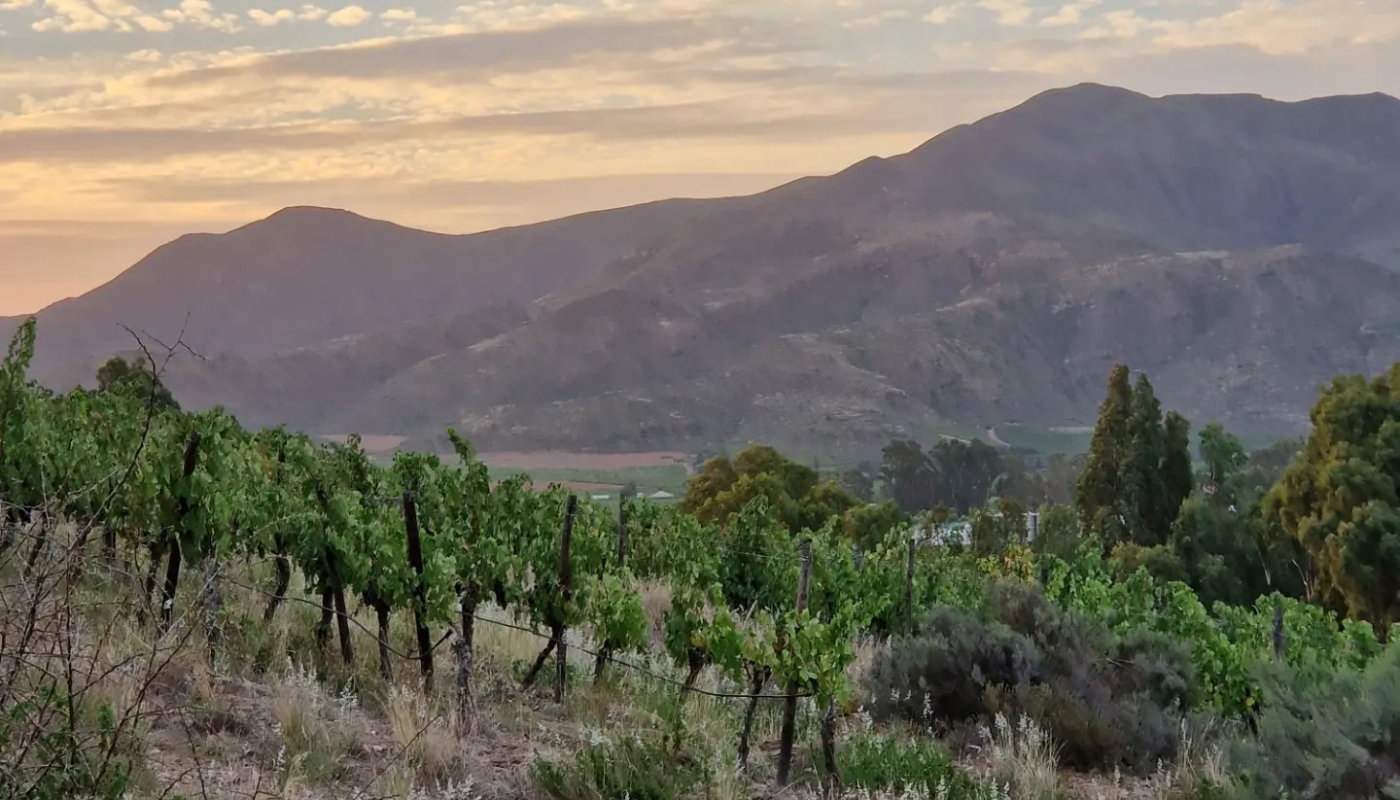
写真は南アフリカのロバートソンのブドウ畑で、著者自身によるものである。
















