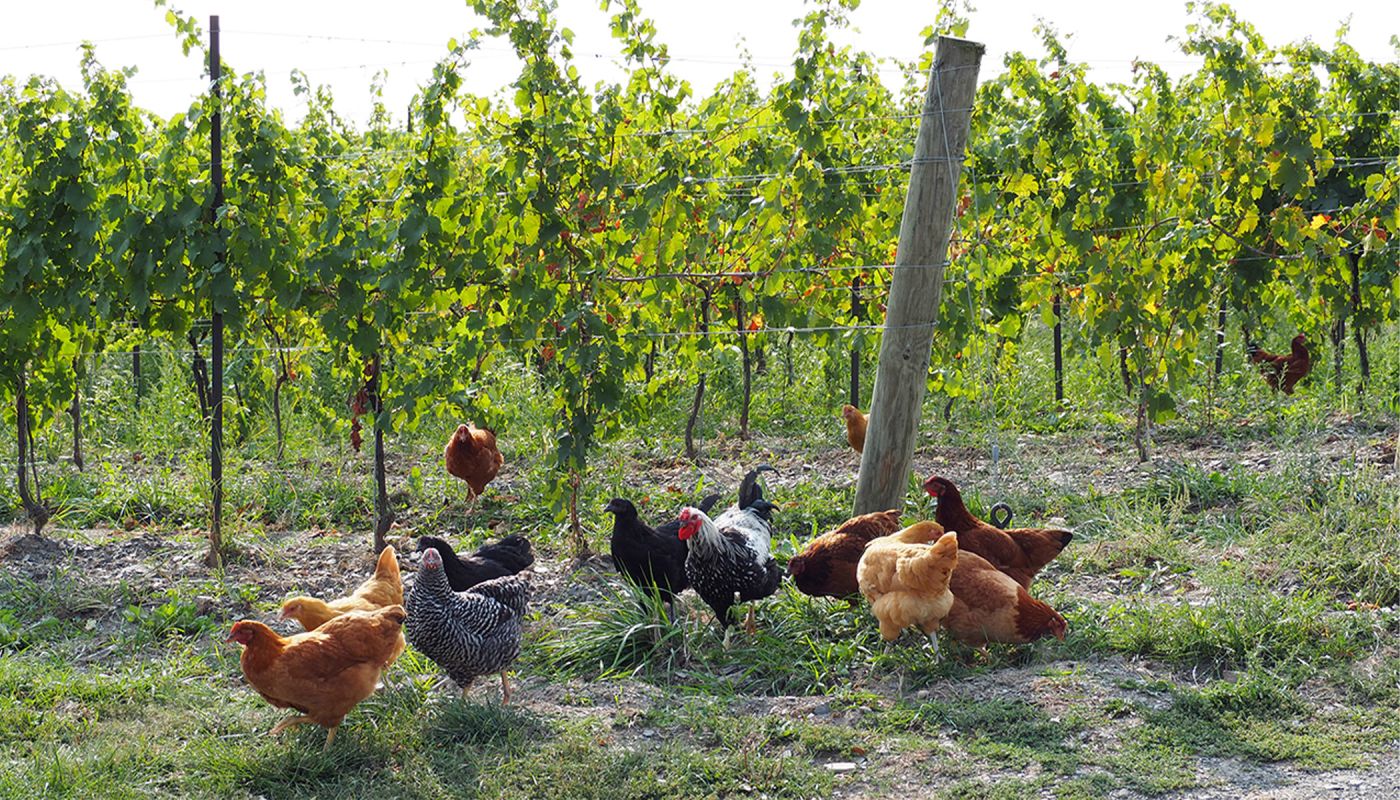
Have a friend who says they don’t like Riesling because it’s sweet? Pour them this wine. Know someone who thinks only Germany can produce immanently delicious-yet-long-ageing Riesling? Gift them a case; they’ll thank you in a decade.
Or do you just want a wine that’s cool and delicious, complex and fine, endlessly versatile at table and is made with extreme care for the environment? This checks all those boxes.
Hermann J Wiemer arrived in New York in the 1960s from Bernkastel, Germany, where his father ran the experimental viticulture station. His sixth sense in wine led him to the Finger Lakes, a series of long, glacier-carved, finger-shaped lakes in the centre of New York that’s been the powerhouse of the state’s wine industry since the 1800s.
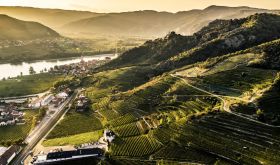
At the time, hybrids ruled, as it was widely believed that the region was too cold to grow European varieties. Wiemer, however, knew cold, knew Riesling and recognised the shale-covered slopes of Seneca Lake as similar to those of his homeland in Germany’s Mosel. (Shale is but one geological step away from slate, its metamorphic state.) He started a vineyard and nursery despite widespread ridicule.
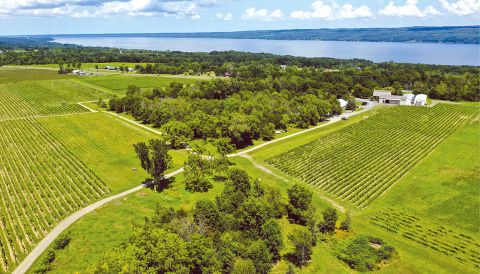
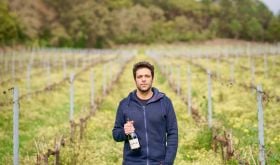
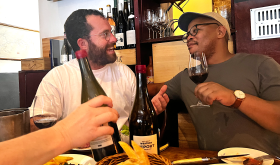
No one is laughing now. The winery now has 90 acres (36 ha) and the wines have been made by Fred Merwath, Wiemer’s apprentice, since 2007; Wiemer himself is still on hand, too, full of wisdom and opinions. The Wiemer team – which includes co-owner and agronomist Oskar Bynke, viticulturist Thijs Verschuuren, winemaker Dillon Buckley and associate winemaker Bryanna Cramer – have so dialled in their farming for Riesling that they produce several single-vineyard versions, just as their Mosel friends do.
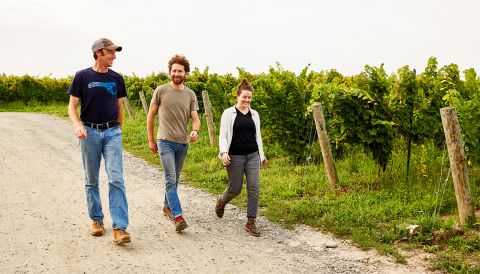
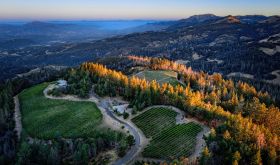
This particular wine comes from Wiemer’s home vineyard – 50-year-old vines rooted in shale on a high rise above Seneca – that’s been farmed without herbicides since 2004, organically certified since 2018, and biodynamically farmed since 2019. As of the 2023 vintage, the Hermann J Wiemer HJW Riesling is the first biodynamically certified wine in the state.
And the wine is delicious. I tasted it back in March, marvelling at how long after opening it lasted (I stretched it out for a week, and it showed no signs of tiring), and how it revealed a different facet every visit. Jancis and I poured it on a warm Saturday afternoon in June for the FT Weekend Festival, where it elicited a mix of knowing nods and delighted exclamations of discovery. It was on hand at the recent FLXcursion, a Finger Lakes conference dedicated to Riesling, where it was a delightful refresher on a hot, sun-soaked Saturday afternoon and an elegant pairing at dinner on Monday evening. It’s appeared on my table several times since – with fresh snap peas dipped in aioli; with a summer-vegetable frittata; with grilled lake trout and a green salad. Spontaneously fermented in stainless-steel tanks, there’s nothing to interfere with its expression of nervy Riesling flavour and cool, sunny Seneca Lake soil. It’s bright and fresh, with succulently juicy citrus meeting tongue-wagging green-apple acidity, and a crystalline, salty minerality that brings it to a dry, refreshing close.
Somehow, despite all that flavour and a structure that promises to hold this firm for many more years, it’s also just 11.6% alcohol. So if you’d like to see how it fares with age, put it under lock and key; it’s hard to resist right now.
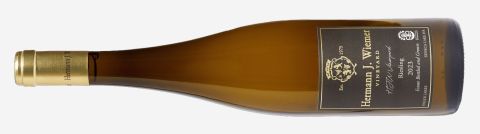
Wiemer’s wines are available in the US through the winery and are also distributed through Skurnik Wines; in the UK they are imported by Wanderlust Wines. And if you can’t find this exact wine, know that Wiemer’s work has gone far beyond this single stellar bottling, inspiring an entire generation of winemakers to make the Finger Lakes a Riesling mecca in the heart of New York State.
All photos courtesy Hermann J Wiemer Winery.
See our database for more recommendations for Finger Lakes wines, and check back soon for even more. And for more background on the place and its wines, see The Oxford Companion to Wine for the Finger Lakes and related entries by local expert Maiah Johnson Dunn.