Lightening up – a global trend


I’m fascinated by trends in wine and how they happen. Some of them start with a bang and take off like a rocket – particularly in the US. I’m thinking of the rebranding of red wine as medicine that happened immediately after the seminal Sixty Minutes programme on ‘The French Paradox’ (eating fatty foods without getting heart attacks – thanks to red wine consumption). And the massive vogue for Pinot Noir in the wake of Sideways the movie.
But some trends creep up on us so gradually that we may hardly notice or record them. This is certainly true of the wine world’s virtually wholesale romance with indigenous and alternative grape varieties over the international varieties that were once the height of fashion. (Did I mention our book Wine Grapes…?)
There is another trend that many wine producers and consumers may be noticing in their own corner of the world without realising quite how global it is. Every few years it is my absorbing duty to update the World Atlas of Wine, Hugh Johnson’s classic reference work. Each new edition brings a new universal trend. The current, sixth edition particularly reflected winemakers’ obsession with climate change worldwide. The seventh edition on which I am now working and which we hope to publish next October is shot through with references to deliberate attempts to make more refreshing, less potent wines.
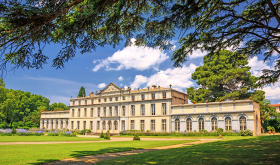
This trend was, as usual, first manifest in Australia. It always amazes me how rapidly the supertanker Wine Australia can be turned around. It seems only yesterday that the most admired wines in Australia were the most massive, but just as in Australia Chardonnays have gone from sweet and oaky to almost anorexic and Riesling producers seem engaged in a competition to make the most austere wine on the planet, there has been a remarkable stylistic shift in the most admired Shiraz. Instead of monster wines that could seem well on the way to port, today’s Shiraz heroes are the likes of, say, Tim Kirk of Clonakilla in the Canberra district (pictured), Julian Castagna of Beechworth and Tom Shobbrook, who somehow manages to fashion Syrah rather than Shiraz in some of the cooler reaches of Barossa.
Like the alternative varietal phenomenon, I suspect this one was initiated every bit as much by producers as by consumers. After all, they are much more likely to analyse what they taste and drink. And if I had a penny for every winemaker who complained to me about how difficult it was to drink (rather than taste) the once-fashionable blockbuster wines, I would be much better off than I am. At one time it seemed as though the world’s winemakers were in thrall to notching up high scores from the American critics who seemed to favour mass over elegance and were unwilling to follow their own noses.
But there has definitely been a sea change. I sense that the majority of the world’s winemakers are now making wines they themselves want to drink. Wines of which a second glass is not a trial but an irresistible temptation.
In Spain, for instance, until recently it was heavily oaked, super-ripe reds from Ribera del Duero, Priorat and the most modernistic riojas that were deemed the crème de la crème of the country’s bodegas. Today it is the cool, wet north west that is setting the pace. Admittedly, Galicia and its environs is helped by the trend for unusual grape varieties as it is particularly fertile hunting ground for them, but it seems as though leading Spanish critics and their followers are more and more seeking out seriously appetising wines that are fragrant and expressive of their origins rather than of their coopers, and are above all well balanced.
In Italy, too, the evolution in taste has been palpable. Compare and contrast the most revered wines of Tuscany today and those of 10 or even fewer years ago. Gone are the inky, sweet, impenetrable Supertuscans – and Brunellos – wearing their Cabernet and oak on their sleeve. Come in, transparent, bone dry, lively Sangiovese, proud rather than ashamed of the altitude of its provenance.
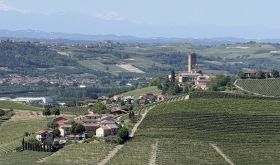
Piemonte has long had its transparent marvels but they are even more admired now than they were, and Barbera is no longer routinely styled as though it were a Napa Cabernet. Its inherent freshness is not necessarily seen as something to be eradicated or disguised nowadays. And a key element in the fashionable wines of Etna in Sicily is the transparency of the local Nerello grape and the elevation of the vineyards that reliably delivers seriously appetising wines positively dripping with that vague and much-discussed quality ‘minerality’.
Australia is far from the only southern hemisphere wine producer aiming for less potent, more expressive and refreshing wines. One of the principal reasons the South Africans were so thrilled by their unusually (for 2012) generous harvest was that the grape ripening process was accomplished without recourse to high sugar levels. Indeed, building up phenolics and flavour precursors at a faster rate than accumulating sugars is a common aim throughout the world’s warmer wine regions at the moment – precisely so that alcohol levels can be moderated.
Chileans and Argentines alike increasingly see alcohol and obvious oak as enemies rather than positive attributes – and new plantings are focused on cooler regions and, in the case of Argentina, higher elevations.
France is a rather special case. The southern Rhône, especially Châteauneuf-du-Pape, may be an inconveniently hot exception, but most of its wine regions are relatively cool anyway and have been making models of elegant, well-balanced, only moderately alcoholic wines for centuries. Bordeaux could be said to be on the cusp of warmth but the wines that were made in the image of blockbusters in the 1990s, those that could be generalised as right-bank garage wines, have fallen very firmly out of favour. The top estates of the Médoc on the left bank have been very careful, in the main, not to produce what I would call heavily made up caricature wines.
Which brings us finally to California, by far the most important wine producer outside Europe. The US gave us wine-scoring, so it is not surprising that a love of rich, potent, heady wines is still widespread there – but even this is changing, as witness the new, cool (in every sense) wave of Pacific-influenced Pinots and Chardonnays now made so close to the West Coast. They even have their own event to celebrate this new global trend, dreamt up by uber-sommelier/restaurateur/winemaker Raj Parr and called In Pursuit of Balance.


- 存取 296,465 条葡萄酒点评 & 16,124 篇文章
- 存取《牛津葡萄酒指南》及《世界葡萄酒地图集》
- Access askJancis, our AI wine assistant


Everything in “Member”, plus:
- Early access to the latest wine reviews, 48 hours in advance
- Early access to the latest articles, 48 hours in advance
- 存取 296,465 条葡萄酒点评 & 16,124 篇文章
- 存取《牛津葡萄酒指南》及《世界葡萄酒地图集》
- Access askJancis, our AI wine assistant
- 提前 48 小时获取最新葡萄酒点评与文章
- 可将最多 25 条葡萄酒点评与评分 用于市场宣传(商业用途)
Everything in “Professional”, plus:
- 可将最多 250 条葡萄酒点评与评分 用于市场宣传(商业用途)
- Access to submit wines for review
- Offer memberships to your employees and manage them from a single place
- API access available for an additional fee
More Free for all




More from JancisRobinson.com