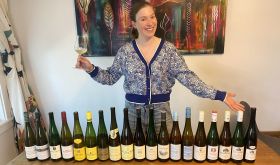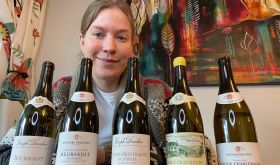
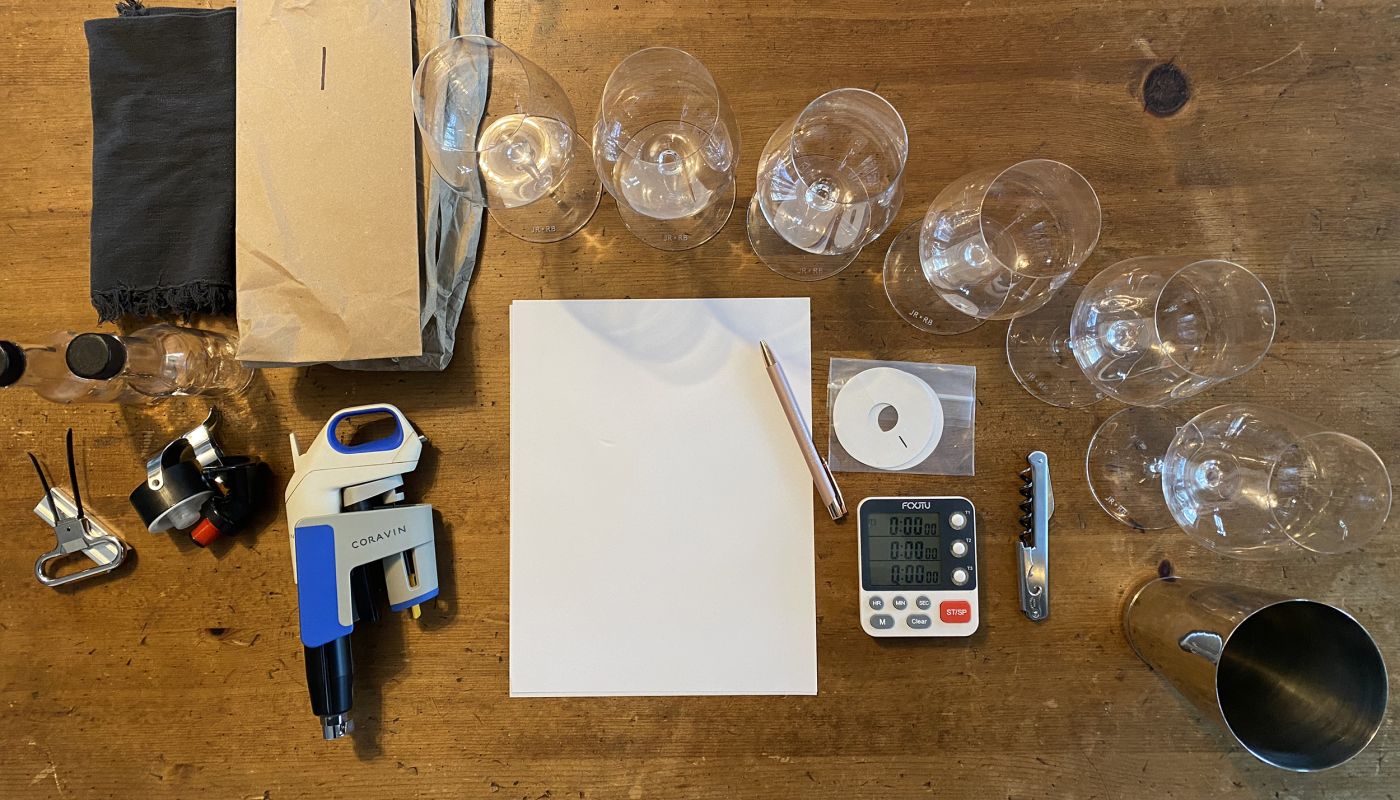
The only items you really need for a blind tasting are a glass, a brown-bagged bottle of wine and a sense of adventure, but if you’d like to get the most out of the exercise, you’ll want to taste multiple wines side by side. Here’s my basic set-up, plus a run-down of the wines I’ll be referring to over the next three weeks of Mission Blind Tasting.
Blind tasting – basic equipment
- 6–12 all-purpose glasses, also called AP, universal or standard glasses, designed to be used with all categories of wine – sparkling, white, orange, rosé, red, sweet and fortified. They feature a medium-sized bowl with a slightly tapered rim and look a heck of a lot like white-wine glasses. If you already have six matching white-wine glasses, that’ll work! However, they do need to match – the whole point is to control your variables. Recommended glassware:
-
if you’re in the market, the Richard Brendon x JR Precision glass is lovely
-
a more economical option, Riedel’s Ouverture White Wine glass
-
Stölzle sell six of their Revolution glasses for $45.
-
- A corkscrew of your choice.
- A dump/spit bucket: unromantic name for the receptacle into which you’ll spit and, later, dump the remains of your glass. I use a bar shaker but a coffee cup or water glass works just as well.
- White background, to hold your glass up to in order to judge a wine’s colour.
- Napkins – for yourself and any potential spills.
- Pen and paper or your computer – to take notes, as you will want to review later on.
- Another human – if you want to blind taste wines, it helps to have another human pour them for you. If you don’t have a spare human, most independent wine shops will agree to take a list of samples you need and bag them for you. You’ll need to avoid looking at the cork or screwcap, but at least you won’t know which sample is which.
Wine
While we won’t be discussing themed blind tastings for a few weeks, it’s helpful to have wine in your glass to practise evaluating appearance, aroma and palate structure. You can do this with any wine you have lying around. Strictly speaking, you don’t need more than one wine to follow along through the next few Mission Blind Tasting articles. However, if you’d like to experience a full spectrum of colours, flavours and structures, then I recommend picking up the following:
- for part 2 – gathering visual clues
- Vinho Verde (choose one under 10% abv) – no more than two years old
- Sauternes – at least five years old
- cool-climate Pinot Noir (choose one under 13.5% abv) – two to four years old
- warm-climate Cabernet Sauvignon or Shiraz (choose one that’s 14.5% abv or higher) – two to four years old
- for part 3 – using your nose
- Salta Torrontés – no more than two years old
- Delle Venezie Pinot Grigio – no more than two years old
- Beaujolais Nouveau or Villages – no more than one year old
- Rioja Reserva or Gran Reserva – at least five years old
- for part 4 – time to taste
- reuse the Vinho Verde
- reuse the Beaujolais Nouveau or Villages
- Nebbiolo from Barolo or Barbaresco – no more than six years old
- Ruby Port
- reuse the Sauternes.
Useful extras
- Tall paper bags – if you want to taste blind, you can bag the wines; alternatively, you can use tube socks.
- Paper glass markers, small stickers or a wax pencil to mark your glasses (so you don’t get your wines mixed up).
- Coravin – you’ll likely be tasting quite a few bottles of wine in a sitting and it’s nice to have a way of keeping the remainder of a bottle fresh until you get around to drinking it.
- Small glass bottles – if you’re looking for a less expensive option to save wines in order to reuse them for blind tasting or later drinking, you can transfer wine to 2- or 4-oz (60- or 120-ml or similar) bottles, number them, and keep a spreadsheet of what’s in each bottle. Make sure to fill them to the top and keep them in the fridge, no matter the colour. Take whites out about 10 minutes before tasting and reds out about 30 minutes before.
- Sparkling-wine stoppers (neither the standard Coravin nor small glass bottles will work for bubbles) – while bubble stoppers give you only 3–5 days, depending on how much wine you’ve taken out, they’ll still allow you to stretch your bubbles enjoyment further.
- An Ah-So, sometimes known as a butler’s friend, can be helpful for opening older wines.
- A kitchen timer – only if you’re testing for an exam and have a time limit.
Optional tools for exercises
- Le Nez or similar aroma set
- essential oils, extracts and spices
- tartaric, malic and lactic acid
- 100-proof (50% abv) vodka (80-proof/40% abv will work at a pinch)
- sugar
How to set up a blind tasting
- Before you begin evaluating a wine, pick a bright, well-lit space free from aromas (not the kitchen if you’re cooking, and away from any heavily cologned people or wet dogs).
- Assemble your glasses, spit bucket, white background (tablecloth or paper), pen and paper (or computer).
- Make sure that your wines are roughly the same temperature as each other. This is to control for the fact that temperature affects how expressive a wine is: if you compare a cold wine with one at room temperature, the latter will seem more aromatic. Whites, sparkling wines and rosés should be around 10 °C/50 °F and reds and orange wines around 15 °C/59 °F – but you don’t need to be exact. Many people employ the 20/20 rule – pull whites out of the fridge 20 minutes before tasting and put reds in the fridge 20 minutes before tasting.
- When you’re ready to start evaluating, pour about 2–2.5 oz (c 60–75 ml) into your glass. The glass should be no more than one-third full, allowing plenty of room for swirling the wine in the glass.
Next week, we’ll put all of this information into action, focusing on appearance, a perhaps surprisingly useful element of wine tasting.
For the background on Mission Blind Tasting, see the overview. And if you have any questions about blind tastings, please drop them in our forum!