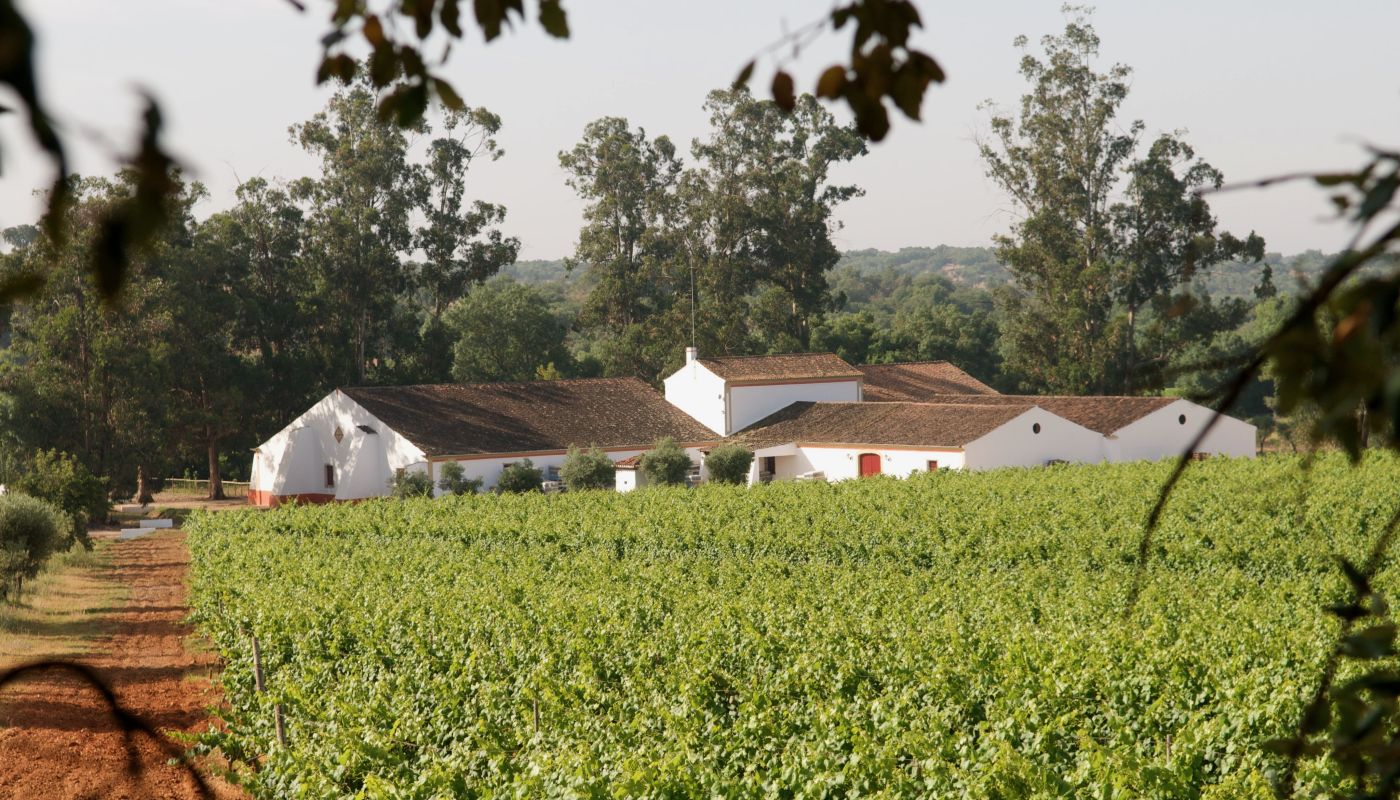
Mouchão is virtually synonymous with the Alicante Bouschet grape variety, the Alentejo region’s adopted child, which has thrived and excelled in this southern region of Portugal more than in its birthplace in southern France, even if it is still more widely planted there. It was brought to the estate in the late 19th century by two professors from Montpellier, close to the nursery where it was bred by Henri Bouschet. Then-owner of the Mouchão estate John Reynolds had been in contact with them because of the advancements in viticulture and breeding made in France in the wake of phylloxera, part of the Reynolds family’s wider involvement in the fight against this Europe-wide scourge.

The estate was one of several that produced cork for Englishman and port merchant Thomas Reynolds’ new business in the Alentejo, established in the 1830s. According to a brief history on the Mouchão website, it is likely that there were already vines on the estate at the time. But it was not until 1949 that Albert (Bouncer) Reynolds, great-grandson of Thomas, bottled the estate’s first wine. Like all such estates, Mouchão was expropriated during the 1974 revolution and not returned to the family until 1986. It is now run by 6th-generation Iain Reynolds Richardson with his sister Sophie Williams-Preece, who is based in the UK. He and his parents before him have restored the estate, which was in a state of abandon when the family took it back. Reynolds Richardson is head viticulturist and winemaker while Hamilton Reis, who also has his own family project, Natus Vini, is the resident winemaker.

Their two 100% Alicante Bouschet wines, Mouchão and Mouchão Tonel 3-4 (a vat selection), are big, rich, wonderfully ageworthy wines that command a deservedly high price, particularly because of the long ageing of the wines in big wooden vats and the even longer cellaring before release. But Rafael, a blend of Alicante Bouschet, Aragonez, Trincadeira and Castelão and named after Reynolds Richardson and Williams-Preece’s great-grandfather Rafael Hunter Reynolds, is a terrific and good-value introduction to the estate’s wines. To use Reis’s words, ‘This isn’t a “junior” Mouchão but rather a youthful ambassador of the estate.’ (Rafael, incidentally, was married to Isabel Bastos, whose very wealthy family was the source of the majority of the Mouchão land.)

Both the 2021 and the 2022 are currently available, depending on where you live (see stockists below) and both are great value. They are both invitingly aromatic with red and black fruits – the ripe fruits of the sunny Alentejo – but also harmoniously fresh and lively not least because the stems of the bunches are included in the fermentation, which takes place in traditional granite lagares most often associated with port production, where foot-treading allows quick and gentle extraction of flavour and tannins from the skins.

The oak impression is light and subtle, adding a touch of spice and sweetness. The tannins are sufficient to give shape to the wine and allow the wine to be aged for a few years but the 2021 is already smooth enough to be drunk on its own whereas the 2022, which is still showing its youth, would at the moment be better with food. Both vintages are terrific now and will age for at least 4–5 years, becoming even more mellow and developing a broader range of more savoury flavours while retaining the balancing freshness. Rafael combines substance and approachability.
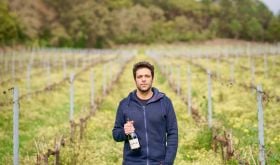
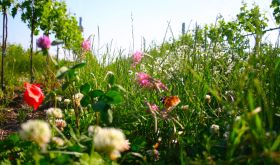
The hand-picked grapes are all from the estate’s vineyards, which represent jut 45 ha (111 acres) of the estate’s 900 ha (2,224 acres), half of those vineyards planted with Alicante Bouschet. The vines that provide the fruit for this wine are on average more than 20 years old and farmed organically, if without certification, though this is something they are considering, says commercial director Pedro Fonseca. The proportions of each variety vary from vintage to vintage but generally include around 40% Alicante Bouschet (see my full tasting notes for 2021 and 2022). The vines are not irrigated, and eschewing chemicals in the vineyard encourages the healthy bee population. As Fonseca underlines, ‘Bees play a crucial role in the local ecosystem through pollination, and their presence is a sign of environmental balance.’ They also provide the wild-flower honey that Mouchão produces along with their own olive oil.

Fonseca, who told me proudly that he has ‘lived and breathed this place for several years now’ and knows ‘every corner, every tonel, every story’, explained that the varieties are fermented separately, without yeast inoculation, over 4–6 days in the lagares, with malolactic conversion taking place in the autumn, mostly in the large, 5,000-litre wooden tonéis (vats) and partly in used French oak barrels (225, 300 and 500 litres). These impressive vats are made from Portuguese oak, chestnut and pine, with the heads made from Brazilian mahogany and macaúba. The wines age for 12 months before blending and bottling and are kept back for a further 6–12 months before release.

Apart from the difference in age and evolution described above, vintages 2021 and 2022 taste like siblings but not identical twins. Fonseca described the years as follows: ‘2021 was what we may consider to be a perfect year in terms of weather, cold and rainy winter with a hot and dry summer. 2022 was a “strange” year, it rained a lot, summer arrived late and with several heatwaves, making it difficult for the correct maturation of the grapes at the final stage.’
Reynolds Richardson added, ‘The precocity of the heatwave [in June 2022] impacted hormonal development in some varieties and plots to the point where colour, sugar, acid and tannins were partially compromised’ but explained that ‘water at depth’ in their vineyards on the alluvial valley floors ‘has proven important in keeping the vines balanced’.
For now the 2021 seems more ‘complete’ so I would wait a little longer to broach the 2022.
In the UK the 2021 is available from Jeroboams, the 2022 from The Wine Society. The US importers are WineWise in California (2021) and Grape2Glass on the East Coast (some 2021 with 2022 expected to land in July, email [email protected] for more information on stockists). The 2021 is also available in Portugal, the Netherlands, Belgium and Japan, the 2022 so far in Portugal and the UK.
For the story of another member of the Reynolds family, who is a key importer of Portuguese wines into the UK, see Raymond Reynolds – the story. For many more Mouchão tasting notes, see our tasting notes database.
All photos courtesy of Mouchão.