この記事は、できるだけ早くお届けするためにまずAIで翻訳したものです。今後はAIに教育を行うことでその精度を上げること、それと並行し翻訳者が日本語監修を行った記事と、AI翻訳のみによる和訳記事を明確に分けることで、読者の皆様の利便性を最大限に高めることを目指しています。表現に一部不自然な箇所がある場合があります。ご了承ください。
この驚くほど素晴らしいスパークリング・ティーは、ワインを含めて私がこれまで味わったノンアルコール・低アルコール飲料の中でも最高の部類に入る。美しいパッケージで価格も手頃だ。
1,700本のワインを擁するセラーがあったにもかかわらず、デンマークのソムリエ、ヤコブ・コツェンバ(Jakob Kocemba)は困り果てていた。2010年のことで、当時ミシュラン星付きだったコペンハーゲンのレストラン「ヘルマン」で、ある特定のデザートに完璧にマッチするものを見つけようとしていたのだ。
そこで彼は自家製の茶エキスで実験を始めた。何百回もの試行錯誤の末、スパークリング・ティーの基礎を築いた。
2017年、彼は事業開発の専門家ボー・ステン・ハンセン(Bo Sten Hansen)とチームを組み、同年5月にコペンハーゲンで最初のスパークリング・ティーを販売した。事業は急速に拡大し、45カ国で販売され、80軒以上のミシュラン星付きレストランで採用されている。私にこのスパークリング・ティーを紹介してくれたマスター・ソムリエのステファン・ノイマン(Stefan Neumann)によると、イギリスで最初にこれを推進したのは高級百貨店フォートナム・アンド・メイソンで、「Tea but not as you know it(あなたの知らない紅茶)」というキャッチフレーズでウィンドウディスプレイに目立つように展示されたという。コツェンバとハンセンは、この茶を「北欧のイノベーションとアジアの茶の伝統の融合」と表現している。
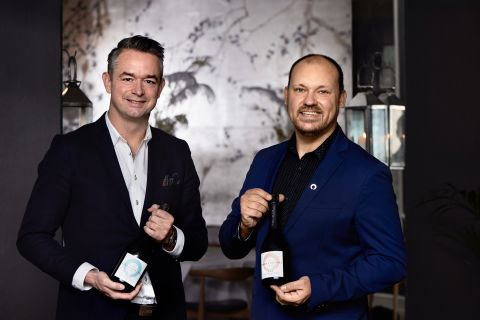
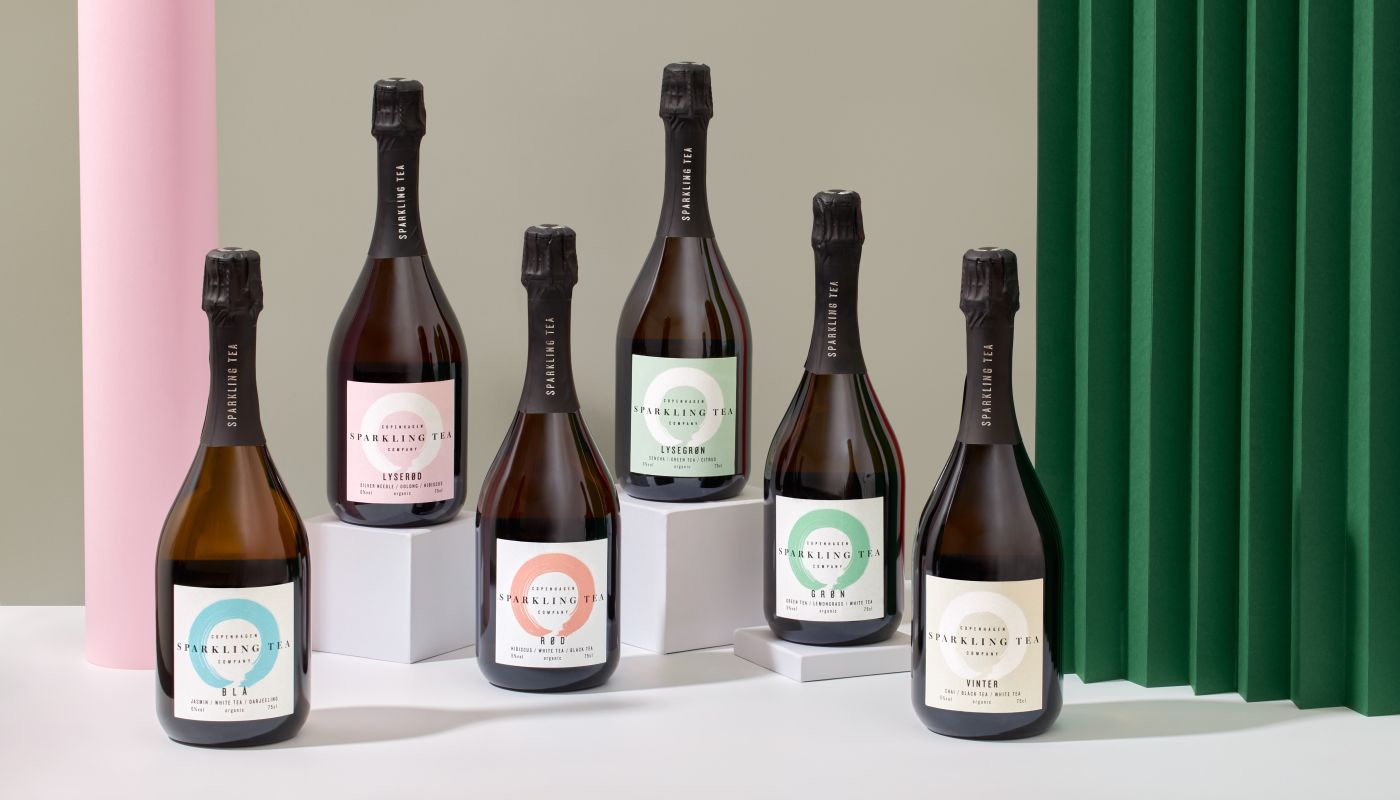
現在ポートフォリオには6種類のスパークリング・ティーがあり、3種類がアルコール度数0%、3種類が少量のワインを加えることでアルコール度数5%となっている。それぞれの特徴的な個性を生み出すのは、12〜13種類にも及ぶオーガニック茶の特別なブレンドで、レモン汁少々、少量のブドウ果汁、白ワイン(ドイツ産のミュラー・トゥルガウ(Müller-Thurgau)やリースリング(Riesling))などの添加物が茶の風味とタンニンを引き立て、バランスを整えている。
イギリスの輸入業者フェルズ(Fells)によると、ノンアルコール・ワインは5%のものを大幅に上回る売れ行きを見せているが、アルコールを完全に避けようとしているわけではないが、スパークリング・ワインの素晴らしい代替品を求めている人にとって、後者は素晴らしい選択肢になると思う。
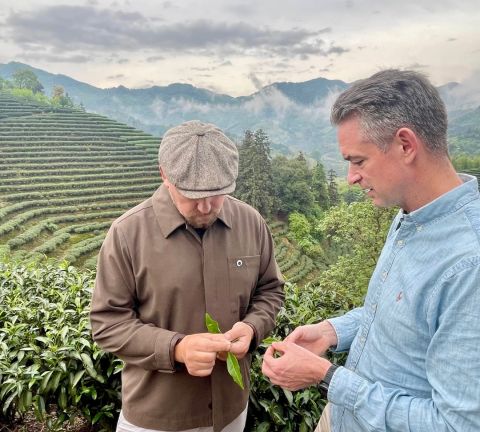
茶は世界中の評価の高い農園から調達され、黒茶(主にダージリンのファースト・フラッシュ)、緑茶、白茶(主にシルバー・ニードル)、ウーロン茶のほか、より香りの強いハイビスカスやジャスミンも含まれる。例えばファースト・フラッシュのダージリンは、その地域で最も古く最も標高の高い農園の一つであるハッピー・バレー農園から来ている。コツェンバとハンセンは、特定の温度で特定の時間をかけて、各茶を少量ずつ手作業で淹れている。
抽出プロセスが完了すると、上記の他の成分が茶のブレンドに加えられる。最後に、ボトリングの前に、最良の統合を確保するため3段階でクローズド・ループ・システムでCO2が注入され、少なくとも5気圧を達成する。これは通常6気圧のシャンパーニュよりわずかに低いが、泡立ちを避けている。これらすべての茶のムースは細かく持続性がある。ボトルはリリース前に6〜8週間寝かされ、毎月新しいバッチが作られる。すべての茶はオーガニック認証とヴィーガン認証を受けている。ノンアルコール茶は、ボトル内で安定性を保つために低温殺菌されている。
私は全ラインナップが印象的だと感じた。特にそれぞれの独特さが際立っていたが、お気に入りを2つ選んだ。1つはアルコール度数0%、もう1つは5%だ。両方に20点満点中17点を付けたが、これは低アルコール・ノンアルコール飲料に付けた最高点だと確信している。私はこれらをすぐに味わって(そして飲んで)しまったが、生産者は製造から2年以内に飲むことを推奨しており、裏ラベルに賞味期限が記載されている。
ブロー(Blå)は、デンマーク語で「青」を意味し、13種類のオーガニック茶を含んでいる。黒茶(ジャスミン14%、ダージリン・ファースト・フラッシュ3%)、白茶19%、緑茶、「ハーブの葉」、そして少量のブドウ果汁(甘味のため)とレモン汁が含まれる。亜硫酸塩は無添加で、残糖は50g/lだ。すべての成分が裏ラベルに記載されている。これはアルコール度数ゼロの3種類のうちの1つだ。現在、ザ・リッツでアフタヌーン・ティーと一緒に提供されているという。

私のテイスティング・ノートは以下の通りだ:
非常に淡い茶のような中程度の金色で、生き生きとした極めて細かいムース。ジャスミン、柑橘、カモミールの素晴らしく強烈な香り。香り高く完全に魅力的で、非常に上質な茶のかすかな印象がある。柑橘の爽やかさと繊細な花の特徴、そして緑茶のほのかな香りがある。野の花と乾いた草のタッチ。技術的には中辛口だが、酸味によって完璧にバランスが取れており、予想よりもずっと辛口に感じる。多くのノンアルコール飲料とは異なり、口の中での存在感が長く、フィニッシュにはショウガのほのかな香りさえある(ただし、これにはショウガは入っていないと思う)。アルコールなしでも驚くほどのボディと丸みがある。余韻でジャスミンが前面に出てくる。これは特にアペリティフとして良いだろう。香り、テクスチャー、爽やかさの相互作用が本当に素晴らしい。
グルン(Grøn)(デンマーク語で「緑」)は、実際にアルコールを含む3つのスパークリング・ティーのうちの1つで、わずか5%だが、口の中での液体の重みでその違いを感じることができる。主に緑茶と白茶の7種類のオーガニック茶に、レモングラスとショウガが含まれている。このブレンドは少量の白ワインベースとレモン汁少々、サトウキビ糖と組み合わされている。残糖40g/lで、ブローより辛口だが骨辛口ではない。

以下が私のノートで、馴染みのない飲み物を表現することがいかに難しいかを示している:
淡い金色で、ブローよりも泡が少ないように見えるが、同じように細かいムース。ブローのレモンの爽やかさをすべて持っているが、よりスパイシーなノートもある。レモングラスとショウガの香りを本当に感じることができるが、茶の特徴を圧倒しない程度に繊細で、それもまた繊細だ。レモングラスと柑橘が味覚を支配し、5%のアルコールで口の中でどれほど豊かに感じるかは驚きだ。クリーミーで、甘味のバランスを取る素晴らしい刺激的な柑橘・ショウガの爽やかさがあり、ブローのように予想よりも辛口に感じる。活気があり持続的で、フィニッシュでショウガが現れる。背景ノートを読むまで気づかなかったが、ミントの示唆、一種のミントの粉っぽさもある。ブローとは非常に異なるが、同じように美味しく、魅力的に表現しにくい。
茶の低アルコール・ゼロアルコール度数と20g/lから60g/lまでの甘味度の幅は、デザートやアフタヌーン・ティーに特に適しているが、より辛口の例(例えば「ピンク」を意味するリューセロー(Lyserød))は、残糖20g/lでもかなり辛口に感じ、よりセイボリーな料理に素晴らしかった。最も甘い残糖60g/lのヴィンター(Vinter)(「冬」)は、ルバーブ・クランブルと素晴らしいマッチングだった。とはいえ、それぞれのスパークリング・ティーをそのまま楽しんだ。これらは非常に調和が取れており、香り高いので、競合する風味なしに味わいたかったからだ。
これらのスパークリング・ティーの起源にソムリエがいることを考えれば、生産者のウェブサイトのインスピレーション・ページにフード・ペアリングやカクテル・レシピの提案があることは驚きではない。
イギリスの輸入業者フェルズは、以下の取扱店をリストアップしている:
- ブロー:セルフリッジズ、ケンブリッジ・ワイン・マーチャンツ、コークス・アンド・クリュ、フェンウィックス、ヨークシャー・ヴィントナーズ。
- グルン:セルフリッジズ、ラール・デュ・ヴァン。
アメリカの輸入業者はゼペイム(Zepeim)で、全国の販売業者と協力しているが、beClinkを通じて消費者に直接オンライン販売も行っている。
生産者のウェブサイトには非常に便利なBuy it hereページがあり、あなたの所在地に最も近い小売店を検索できる。
すべての写真はコペンハーゲン・スパークリング・ティー提供。
ノンアルコール・低アルコール飲料に関する詳細情報と推奨についてはこちらをご覧ください。
この記事は、できるだけ早くお届けするためにまずAIで翻訳したものです。今後はAIに教育を行うことでその精度を上げること、それと並行し翻訳者が日本語監修を行った記事と、AI翻訳のみによる和訳記事を明確に分けることで、読者の皆様の利便性を最大限に高めることを目指しています。表現に一部不自然な箇所がある場合があります。ご了承ください。