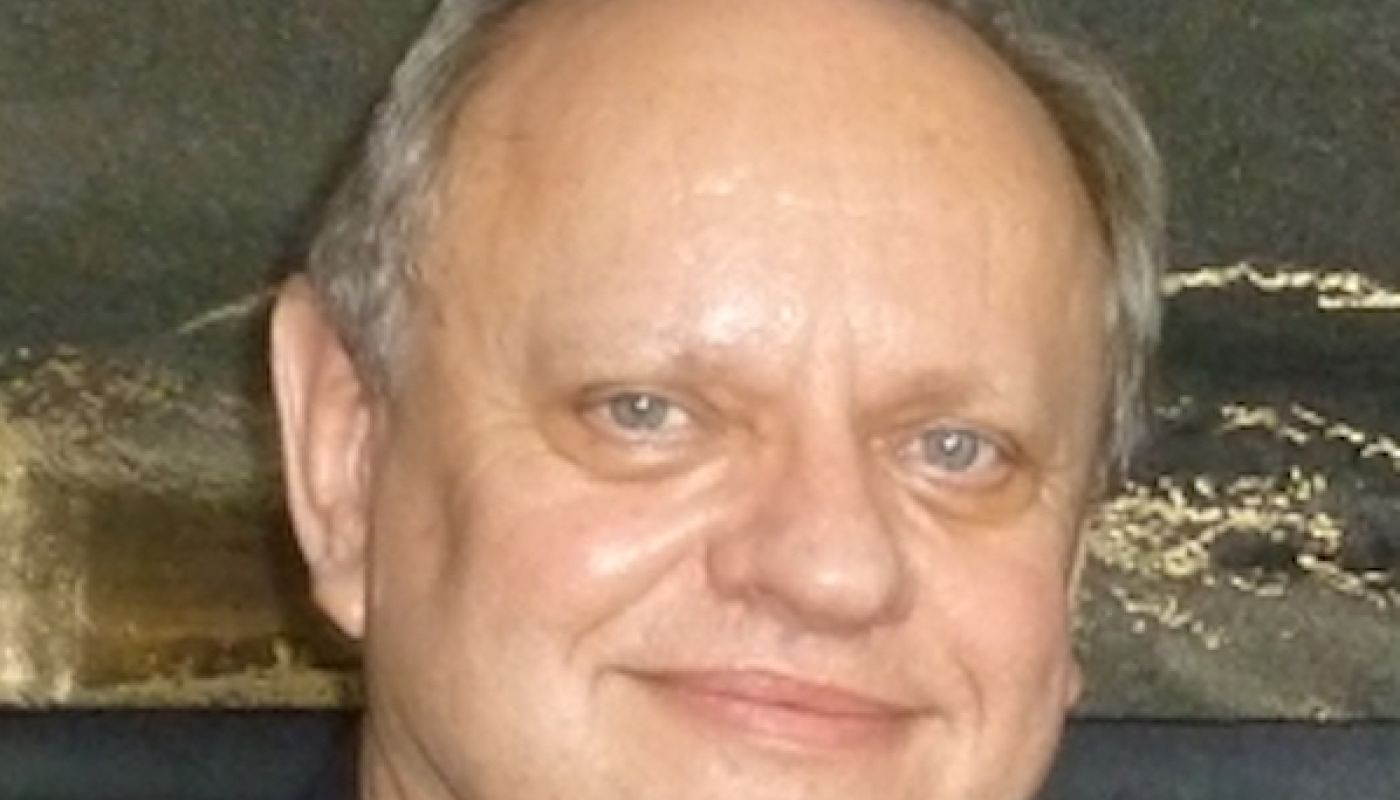
All seemed so much at odds with the man lauded as the most celebrated chef in the world. He met his end quietly, having changed his diet to one in which vegetables and light dishes were the principal ingredients, and without telling too many about his situation, having disposed of the holdings in his many restaurants to a consortium of British and Luxemburg investors. As such, Robuchon’s death came as a complete surprise to many.
But this was how I will always remember this great chef. He was modest to a fault. Quietly spoken. Bereft of ego. He was a stickler for precision and hugely demanding of his staff. He was in many ways moulded by what he should really have been and the couple of years that set him on the path to becoming a great chef.
Born in Poitiers to a strict Catholic family of very modest circumstances – his father was a mason, his mother a cleaner – Robuchon was sent at the age of 12 to a seminary in the Deux-Sèvres with the intention of becoming a priest. But it was here that he was first influenced by the practice of preparing meals, and the camaraderie of doing so, a combination that persuaded him that his talents lay elsewhere.
It was to this period that Robuchon referred constantly when I first interviewed him in the early 1990s. By then he had already found fame, at Jamin in Paris’s chic 17th arrondissement, the first restaurant where I was given a loaf of bread as were leaving for our breakfast the following morning. It was obvious quite how important this period had been in his illustrious career.
It was also this era that focused Robuchon’s attention on one other defining trait of his cooking skills: the importance he was to attach to ingredients that had been considered of relatively poor renown until then. I am thinking primarily of his treatment of cauliflower while at Jamin and the manner in which he was subsequently to transform how all chefs regarded the humble potato.
The first was a dramatic pairing of a light cauliflower mousse topped with a large helping of caviar, a combination that I can still remember enjoying to this day. The second dish of pommes purées required a specific method of cooking the potatoes, strong muscles to push the potatoes through a vegetable mill, and masses and masses of melted, salted butter. Whether this dish was potatoes with butter or butter with potatoes was a moot point. But it was fantastic.
But in this regard, and by sticking firmly to the principle that no dish should incorporate more than three ingredients, Robuchon was to change the philosophy that lay behind top French cooking. And having done so, Robuchon retired from the kitchen at the age of 50 to concentrate on a daily TV programme. He was to return in 2003 to change how we eat, and have an enormous impact on the design of restaurants around the world to an even greater extent.
It was in that year that, simultaneously in Paris and Tokyo, Robuchon opened his L’Atelier du Robuchon, a way of eating that was to transform not just the layout of restaurants but also how customers were to use them. Borrowing the counter that is such a central feature of Japan’s sushi bars and Spain’s tapas bars, Robuchon conceived of a restaurant space where the food could be great – because it only had to travel a few metres from the kitchen not just directly to the customer but also in full view – and one where everybody could be convivial. This was a major breakthrough and was to lead to Ateliers being opened in quick succession in numerous other locations including Hong Kong, Bangkok, New York, London – and Las Vegas, of course.
This was a radical, but profitable, departure. The proximity of the customers meant that the restaurant needed far fewer waiting staff; at first, and wherever possible, no reservations were taken; and the appearance of so much good food inevitably led to customers being induced to spend more than they had planned.
It was a very clever move and one that has had long-lasting consequences. How many restaurants today open far more confidently offering bar seating and with a no-booking policy?

Robuchon’s other stroke of genius was the name he chose for these restaurants. L’Atelier, workshop in English, is a word that sounds so much better and more significant in its original French. It was also a very clever method of conveying to all those who ate there that while Robuchon had overall control, the day-to-day running was in the hands of much younger chefs. He also retained a very good eye for spotting young, principally French, chefs and bringing the best out of them to open his restaurants.
In 1999 the magazine Gault & Millau voted Robuchon ‘the chef of the century’. But in the timing of this honour they were perhaps mistaken. Or maybe it was just the impetus that Robuchon needed. I believe that in creating L’Atelier du Robuchon, this humble man may just have done enough to establish himself as ‘the chef of the 21st century’.