この記事は、できるだけ早くお届けするためにまずAIで翻訳したものです。今後はAIに教育を行うことでその精度を上げること、それと並行し翻訳者が日本語監修を行った記事と、AI翻訳のみによる和訳記事を明確に分けることで、読者の皆様の利便性を最大限に高めることを目指しています。表現に一部不自然な箇所がある場合があります。ご了承ください。
クセニヤ・ヴォロスニコワ (Xeniya Volosnikova) について クセニヤ・ヴォロスニコワはカザフスタン出身のワイン・マーケター兼コミュニケーション専門家である。ワインへの関心と情熱が彼女をヨーロッパに導き、そこでワイン・ツーリズム・マネジメントの修士号を取得し、DipWSETワイン資格を修了した。また、ヴァイナカデミカー (Weinakademiker) やイタリアン・ワイン・アンバサダーなど、その他の資格も取得している。クセニヤはワインについて執筆し、マーケティング・リサーチを行い、ワイン・イベントを企画することを楽しんでいる。最近立ち上げたイントロバート・ワイン・ポッドキャスト (Introvert Wine Podcast) のホストでもあり、カザフスタン初のマスター・オブ・ワインになるという大胆な夢を抱いている。
テルティ・クルクへの頌歌
異例だった。
2017年、カザフスタンで初めてテルティ・クルクを試飲したのは、ウクライナのシャボ・ワイナリー (Shabo winery) によるポートフォリオ・テイスティングでのことだった。このブランドは輸出範囲の拡大を目指しており、近隣市場から始めるのは理にかなっていた。特に両国間には既に長年の貿易関係があったからだ。残念ながら、ウクライナのワインのイメージは、ソビエト連邦向けに非常に平均的な大量生産ワインを何十年も造り続けてきたことで損なわれていた。そのため、高品質で期待していたものとは異なるワインを発見できたのは新鮮だった。
正直に言うと、何を期待すべきかさえ分からなかった。ウクライナ・ワインを試飲するのも、テルティ・クルクというブドウ品種に出会うのも初めてだった。あのテイスティング以来、もっと詳しく知りたいと思い続けている。メルロー、シャルドネ、カベルネ・ソーヴィニヨンが支配する世界で、何か珍しいものを見つけるのは常にエキサイティングだ。言語学者として、このブドウの名前にも興味をそそられた。明らかにスラヴ語族ではなく、テュルク語族にルーツを持つ名前だったからだ。その背景には物語があるような気がした。
テルティ・クルクはウクライナ固有の品種とされており、南部地域に最も多く植えられている。この名前は古いトルコ語で「狐の尻尾」を意味し、現在ではtilki kuyruğuに相当する。テルティ・クルク (Telti Kourouk)、テルティ・キリク (Telti Kyryk)、ティルキー・ライルク (Tilky Rairuk) など、様々な綴りが存在する。同じ翻訳を共有しているにもかかわらず、イタリアのコーダ・ディ・ヴォルペ (Coda di Volpe、イタリア語で「狐の尻尾」) とは遺伝的なつながりはない。この類似性は、おそらく両方の場合でブドウ房の形を指しているのだろう。
テルティ・クルクの最古の記録は16世紀にさかのぼる。当時、現在のウクライナ南部はオスマン帝国の支配下にあった。現在のビルホロド・ドニストロフスキー (Bilhorod-Dnistrovskyi、旧アッケルマン) として知られる地域では、テルティ・クルクを含む様々なブドウ品種が栽培されていた。このブドウの名前はテュルク語にルーツを持つが、この地域外では栽培されておらず、地元のワイン生産者の献身がなければ失われていたかもしれない。例えば、シャボ・ワイナリーはテルティ・クルク専用の保存プログラムを開発し、現在43.5ヘクタールという最大の栽培面積を維持している。
ほとんどの資料は、テルティ・クルクがウクライナ固有のブドウ品種であり、オスマン帝国時代にまでさかのぼる名前を持つこの地域の固有種であることを確認している。しかし、その遺伝的ルーツは南コーカサス、特にアルメニアまでさかのぼる可能性も高い。ブドウの初期の栽培化の過程で生まれたと考えられるが、正確な親品種は不明のままだ。その起源についてさらなるDNA分析と深い研究を見てみたいものだ。
学べば学ぶほど、そして試飲すればするほど、このブドウに恋をしていった。私は常にリースリング、シュナン・ブラン、シャルドネのような多様性のある品種のファンだった。モーゼルの低アルコール甘口ワインから、シャンパーニュの伝統的製法によるスパークリング・ワイン、アルザスやロワールのボトリティス・ワインまで、あらゆるものを生み出すことができるブドウだ。テルティ・クルクも同様の適応性を持っている。晩熟品種として、絶妙な遅摘みワインや天然の半甘口ワインを生み出すことができる。早摘みすれば、スパークリング・ワインのベースに理想的だ。そして、オーク熟成の白ワインを楽しむなら、テルティ・クルクはシャルドネのように樽熟成との相性が抜群だ。
そのテイスティング・プロファイルはスタイルと同じくらい多様だ。遅摘み表現では蜂蜜と熟したマルメロ、フレッシュで若々しいスタイルではレモングラスと白桃の香りがする。アルコール度数は、ワインメーカーの目標に応じて11.5%から13%の範囲だ。ミディアムからフルボディの傾向があり、微妙なフェノール感が骨格を与えている。これが生き生きとした鮮やかな酸味によって美しくバランスされている。個人的には、いつも特徴的な野生ハーブの香りに気づく。これが私の心をオデーサ近郊の風の強い平原へと運んでくれる。
混沌とした気候パターンの時代において、テルティ・クルクの回復力はその魅力を高めている。うどんこ病、べと病、干ばつに耐性がある。砂質土壌で繁栄し、フィロキセラに対してもある程度の耐性を示す。その強い幹は、オデーサ地域の激しい風に耐えることができる。これらは何世紀にもわたって発達した適応だ。50年樹齢の接ぎ木されていないブドウの樹の稀な植栽があり、これらが卓越したワインを生み出している。自然に収量があまり高くないことが、大量生産重視の生産者の間での人気を制限したかもしれないが、シャボやベイクシュ (Beykush) のような品質重視のワイナリーの注目を確実に集めており、両者ともそのスタイル的可能性を実験している。
私にとって、テルティ・クルクはワイン世界の多文化的で多様な精神を体現している。テュルク語の名前を持ち、ウクライナで栽培されるこのブドウは、私の心の中で特別な場所を占めている。それは回復力、適応性、独自性の象徴だ。このブドウが認知を得て、より多くのウクライナのワイナリーに受け入れられ、国際市場に到達しているのを見るのは嬉しい。まだ試したことがないなら、これがそのきっかけだ。
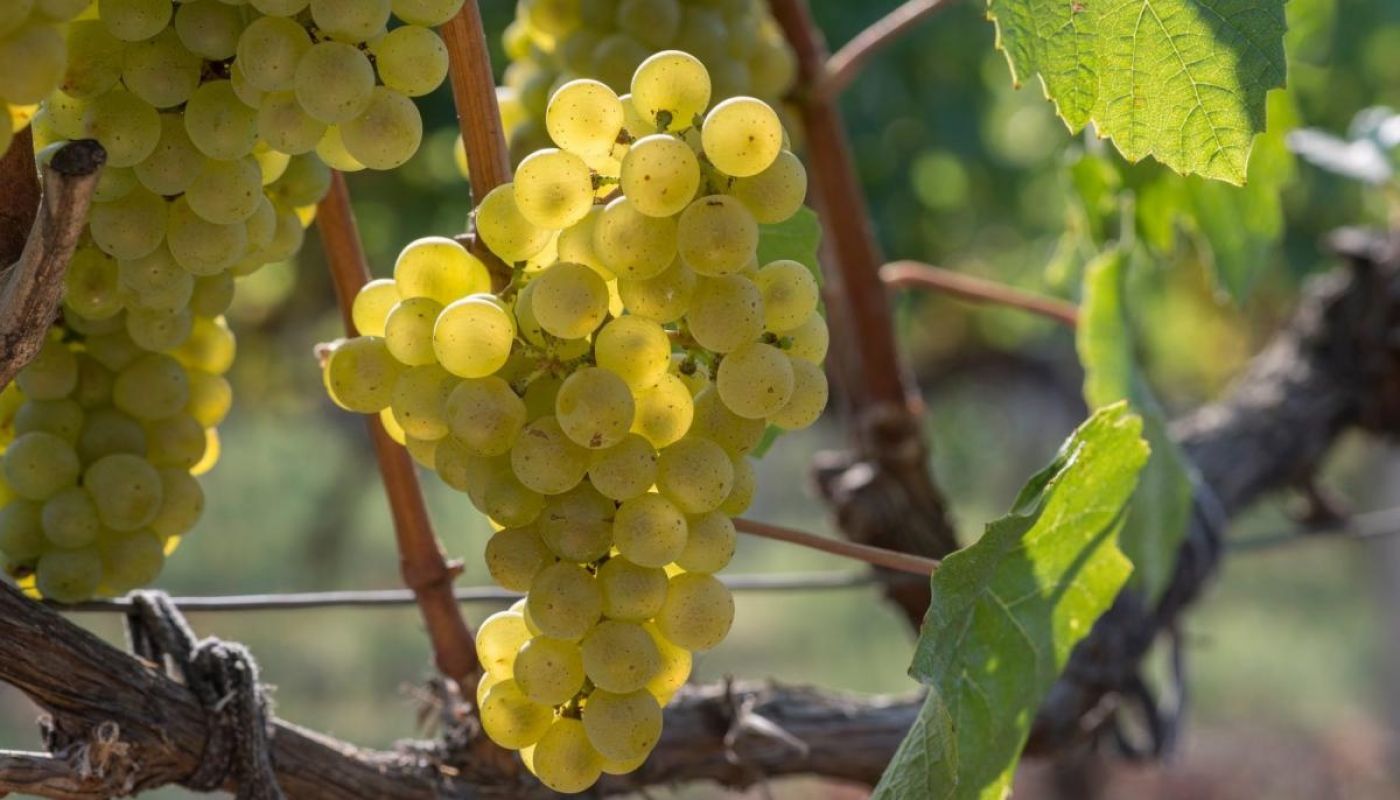
写真:テルティ・クルクの房、クレジット:ワインズ・オブ・ウクライナ (Wines of Ukraine)