この記事は、できるだけ早くお届けするためにまずAIで翻訳したものです。今後はAIに教育を行うことでその精度を上げること、それと並行し翻訳者が日本語監修を行った記事と、AI翻訳のみによる和訳記事を明確に分けることで、読者の皆様の利便性を最大限に高めることを目指しています。表現に一部不自然な箇所がある場合があります。ご了承ください。
ナターシャ・スムキナ(Natasha Sumkina)について:サンクトペテルブルク出身で現在はバスク地方を拠点とする私は、人生を変えるためにワインについて学び始めた。そして実際に人生は変わった。わずか5年で、DipWSETを取得し、ワイン輸入マネージャーとして働き、テイスティング・クラブを設立し(愛犬の名前にちなんで命名)、ブログとポッドキャストを立ち上げ、海中ワイナリーでテイスティングを指導したこともある。言語学のバックグラウンドを持つ私にとって、ワインは一つの言語だ。まだ学習中の言語であり、人とのつながりや共感、インスピレーションを生む方法で共有したいと願っている。
この作品は母に捧げる。いつも新しいことに挑戦するよう励ましてくれてありがとう。
最初の一口
記憶というものは面白い。先週末のことは忘れてしまう。たった今会った人の名前もぼんやりしている。しかし、ワインの香りを一度嗅げば、突然15年近く前のパリにいる自分がいる。
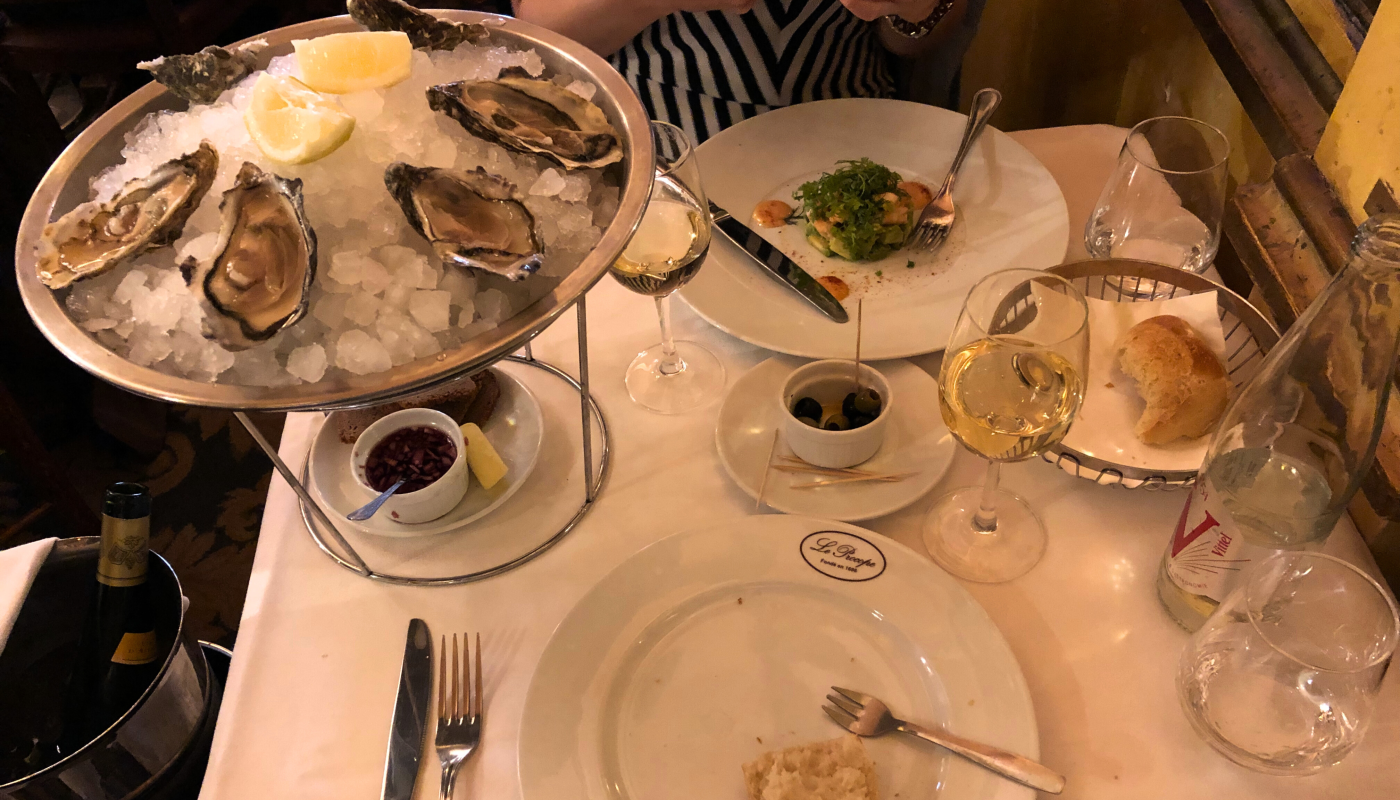
そこはカフェだった。白いテーブルクロス、テーブルに散らばった牡蠣の殻、ライ麦パンの厚切り、柔らかなバター、レモンのスライス、小皿に入った酢を覚えている。蜂のように忙しく行き交うウェイター。18世紀の装飾、ナポレオンの帽子、壁に掛けられた啓蒙思想家や革命家の肖像画。パリ最古のカフェだと言われている。
「ワインを1本注文しましょうか?あなたが気に入りそうなワインを知っているの」
「もちろん、お任せします」
グループの一人がウェイターを呼び、ワインの名前を囁いた。私はまだ10代で、母と一緒にパリを訪れるのは3回目だった。ワインについては全く知識がなく、正直なところ何を注文するかなど気にしていなかった。これまでのワインとの出会いはあまり成功していなかった。実際に理解し楽しめる牡蠣やバターの方にずっと魅力を感じていた。
ウェイターが細長い緑色のボトルを持って戻ってきた。黄色と金色のラベルが光の下で輝いている。その形は優雅で、見慣れないもの、エキゾチックですらあった。そんなボトルは見たことがなかった。興味をそそられた。
グラスにワインが注がれる。キャンドルの光を受けて輝く、淡い金色の液体だった。
「いえ、私はいりません、お母さん」
「さあ、一口だけでも試してみて。素晴らしいワインよ!」
反抗的な10代の体裁を保とうとしながら、しぶしぶグラスを手に取った。ゆっくりと鼻に近づけて香りを嗅ぐ。大人がそうするのを見たことがあったので、半ば馬鹿にしながら、半ば好奇心から真似をした。
あら。これは実際に…いい香り。
懐疑的な気持ちは全て消え去った。今度は純粋に好奇心を抱いた。ワインは花のような香りがした。祖母の夏の庭のような。雨上がりのバラ。6月のジャスミン。
一口飲むと、何かが変わった。
突然、味蕾が生き生きとしてきた。脳が喜びで手を叩き、ワインへの心の頌歌を作り上げているのを感じることができた。
気づいた。私は実際にワイン好きなのかもしれない。
しかし無教養に見られたくなかった(ばかげていることは分かっている、まだ18歳だったのだから)ので、それが何かを尋ねる代わりに、ボトルを手に取ってラベルを読もうとした。そして見事に失敗した。ドイツ語だった。しかしウェイターがフランスのワインだと言うのを聞いていた。じっと見つめ続けた。アルザスと書いてある。
宝の地図を見るようにラベルを研究した。名前は読めなかったが、曲線と色の全てを記憶に刻み込んだ。その映像は深く焼き付いて、その後何年もの間、パリの店でも世界の反対側の免税店の棚でも、そのボトルを瞬時に見つけることができた。
おそらくそこから始まったのだろう。まだ理解していないものへの静かな執着が。後に大学でドイツ語を学び、ついにその名前の発音を覚えることになる。その数年後、翻訳者を辞めてワインを学ぶという大きな決断を下すことになる。
そしてついに、私の目を開かせてくれたブドウを理解することになった。その名前が「スパイスの効いた」という意味で、華やかなアロマ・プロファイルへの言及であることを学んだ。ヴォージュ山脈とライン川に挟まれたアルザス地方で栽培され、その気候と多様な土壌がパワーと香りの両方を与えていることを知った。私が「祖母の庭」と呼んでいたものが、実際にはバラ、ライチ、桃、マンゴー、シナモン、蜂蜜といった香りと味わいの万華鏡であることを発見した。
そのボトルは私と共にあり続けた。何年も後、ついにそのルーツを辿り、かつて魔法のように感じられたものの層を剥がして、その背後にある科学と伝統を明らかにすることになった。
しかし、その後は白い目で見られるようになった。それが私のお気に入りのブドウだと言うと笑われた。
甘すぎる。うるさすぎる。酸味が低い。料理とのペアリングが難しすぎる。あまりにも…分かりやすすぎる。
だから何だというのか。
適切に造られれば見事なワインだ。生産者が熟度とフレッシュさのバランスを取ることができれば。タイ料理、フォアグラ、ミュンスターのような刺激的なチーズと素晴らしく合う。
特に、その紛れもない個性を愛している。ブラインド・テイスティングでは贈り物のような存在だ。他の何かと混同することは決してない。そして「ニュートラルな白ワイン」の型を、栄光に満ちた香り高い破壊球のように粉砕する。
確かに賛否両論を呼ぶ。だからこそ愛しているのだ。
ある人には魅力的で、他の人には過剰すぎる。ジェイ・ギャツビーのように。ウェス・アンダーソンのように。あるいはブリジャートンのように。
今日、私はワインの専門家だ。何千ものワインをテイスティングしてきた。そのほとんどを忘れてしまう。特にその名前を。
しかしグスタフ・ローレンツ(Gustave Lorentz)のゲヴュルツトラミネールを忘れることは決してないだろう。パリで初めて私に囁きかけ、今でもほとんどのワインより雄弁に語りかけてくるワインを。香り高く、忘れがたく、完全に自分自身であるワインを。
















