
Given there is no objective, precise way of measuring wine quality, it’s hardly surprising that wine producers and promoters are tempted to overstate their case.
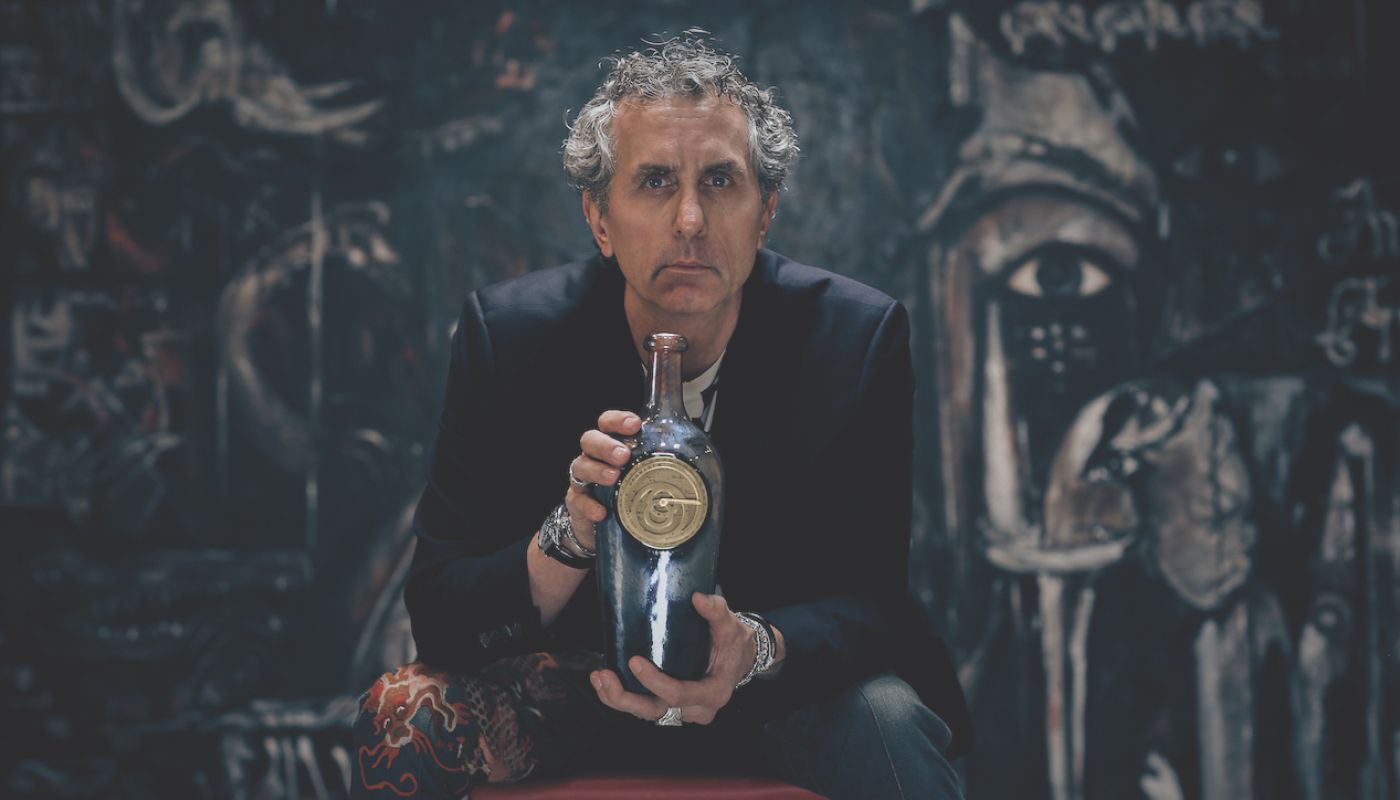
My favourite sales pitch recently was sent on behalf of ‘The Hérmes of Wine, proprietor and visionary Lawrence Fairchild [who] takes a page from art and fashion to create the centerpiece of wine cellars (clients have literally designed cellars around his bottles)…’ I’m intrigued by that spelling of Hermes or Hermès. What followed was the cunning suggestion, ‘Lawrence never sends sample bottles and I know he would for you if you are interested!’
The email went on: ‘The coolest dressed wine alchemist in Napa, Lawrence’s cult-following collectors of his eye-catching designed bottles and unmatched wines (always rate 96–100 points by Robert Parker), are released for purchase only five times a year, and sell out in minutes.’ This is intriguing since Robert Parker hasn’t rated any wine for the last four years.
Lawrence’s wines are released in limited editions of hand-blown bottles. Only 350 bottles of his Perrarus 2 Cabernet were made, for instance, each priced at $3,500 to $8,500 and sold by lottery. Limited to one per person, natch.
But these are bargains compared with a new wine from Spain’s La Mancha, until recently regarded as the country’s least-glamorous wine region. Hilario García is offering each of his 250 bottles of Aurum Oro red at €25,000 each, proudly proclaiming it as the most expensive wine on the planet. He claims the wine, made from 200-year-old vines (which are admittedly pretty senior), will never spoil because he has treated the vines with ozone.
Señor Garcia clearly hasn’t heard of Liber Pater, a 2015 red bordeaux launched last year at €30,000 a bottle, the justification being partly that it is made from vines planted directly into the soil, rather than being grafted on to the phylloxera-resistant American rootstocks that became de rigueur throughout much of the wine world in the wake of the predations of the phylloxera louse towards the end of the nineteenth century. Much more unusual, however, is that the wine is made from ancient grape varieties long disappeared from Bordeaux vineyards – although sometimes there are good reasons why certain varieties are abandoned.
I’m not thrilled that prices for the established trophy wines of France, Italy and California have skyrocketed in recent years, putting them out of the reach of most wine drinkers, but I understand why. They are in relatively short supply and there are more and more billionaires in the world who need billionaires’ drinks.
But it does stick in my craw to see four- and even five-digit prices being asked for bottles with hardly any reputation at all. In my decades writing about wine I have seen most of these new hopefuls come and then go. It seems to me that wines ought to earn ambitious price tags over time.
But there are well-established wines whose inflated prices mean that I would not dream of buying them myself – though clearly someone must.
An obvious example is another red bordeaux, Carruades de Lafite, the second wine of first growth Ch Lafite. The similarity of its label to that of the real thing, and Chinese wine-buyers’ reverence for the name Lafite, means that Carruades even from the weak, short-lived 2013 vintage fetches about £300 a bottle, four times what equally good and sometimes better wines from neighbouring vineyards without the Lafite cachet do.
I am a huge admirer of Krug Grande Cuvée, the multi-vintage blend into which so much work goes each year, and the single-vintage version can be almost as good, and tends to be priced higher simply because the tradition in other, lesser houses is to sell their non-vintage blends at lower prices than their vintage-dated champagnes. These glorious champagnes sell for between £100 and £250 a bottle and I can just about understand why Krug Grande Cuvée costs that much. What I cannot understand is why Krug’s two single-vineyard champagnes, the all-Chardonnay Clos du Mesnil and the all-Pinot Noir Clos d’Ambonnay, cost many multiples of this – about £800 and £2,000 a bottle respectively. Krug is all about blending, in my book.
Still in France, there is an increasingly popular sort of Châteauneuf-du-Pape known as Cuvées Spéciales. These tend to be souped-up versions of a wine that, with its exceptionally high alcohol, tends to be pretty souped-up in the first place. They can have alcohol levels way in excess of 15% and too many of them exaggerate a certain facet of the appellation rather than presenting a beautifully balanced expression of the many grape varieties and terroirs that go into a fine Châteauneuf such as that of Clos des Papes, an estate that eschews special cuvées and simply makes one great red and one great white every year – each astonishingly ageworthy.
Then there is Provence rosé. I have to take my hat off to Sacha Lichine and his team for establishing the Whispering Angel brand (now blended from multiple sources all over Provence), from scratch to world, or at least US, domination, but with his top bottling Garrus he also started a decidedly unhealthy competition for who can make the most expensive example of what started out as a casual holiday lubricant.
Let us pass lightly over the Armand de Brignac, Ace of Spades champagne decorated with Swarovski crystals, and cross the Atlantic to California where the market still seems to be able to bear prices most European wine producers can only dream of. But even in the inflated California wine market there are wines that stand out because their prices are simply barmy. I’ve never understood the appeal of Sine Qua Non wines, which strike this European palate as way overdone, but I call as principal witness the Sauvignon Blanc white wine made by the team responsible for cult Cabernet Screaming Eagle, whose iconic red is a regular record-breaker at charity auctions. Top-quality Cabernet Sauvignon can continue to mature for decades and is a regular in the secondary market. Sauvignon Blanc, particularly one grown somewhere as relatively warm as Oakville in the Napa Valley, is a comparatively simple drink for fairly early consumption. Yet Hedonism in London is currently listing Screaming Eagle’s Sauvignon Blanc 2014 at £6,180 a bottle. A bottle waiting for a thirsty oligarch?
Mind you, Bordeaux has a couple of wines with quite a dollop of Sauvignon Blanc in them that are pretty ridiculously priced simply because of their rarity value. The whites of Chx Haut-Brion and La Mission Haut-Brion regularly sell for hundreds of pounds a bottle, even more than their great and much longer-lived red stablemates.
And finally a not-quite-wine whose prices are also a reflection of rarity rather than value: Tokaji Essencia. This viscous grape juice from Hungary is only just alcoholic and only just thinkable in terms of its price, which could be over £500 – for a half-bottle.













