See almost 100 tasting notes on recent NZ releases.
French wine producers and purist wine collectors have long held that it is simply not done to compare the accepted wine classics with wines made elsewhere in their image. They tend to mutter about the futility of comparing apples and oranges. My colleague Steven Spurrier was spurned by the French wine establishment for years after he organised the famous California v France tasting in Paris in 1976.
I find such comparisons hugely interesting and illuminating and I think it has been shown over the years that what the French are frightened of – denting the reputation and sales of their precious iconic bottles – simply does not happen. If my experience is anything to go by, the gap between the best of France and the best of the rest continues to narrow. And yet demand for Bordeaux's first growths and Burgundy's grands crus has never been stronger. Everyone knows that a TopShop handbag will hold a wallet just as effectively as one from Louis Vuitton, but that does nothing to do shorten the queues for the latter.
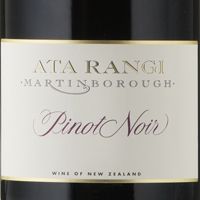
What's important is the conclusion drawn from a blind tasting in which a great French wine is outperformed by an upstart at a fraction of the price. The other evening over dinner our host poured six Pinot Noirs of which one came from each of Burgundy's two smartest domaines, Romanée-Conti and Comte Georges de Vogüé, one was the 1995 Isabelle from Au Bon Climat, producer of some of California's most burgundian Pinots, and the rest from three of New Zealand's most revered Pinot Noir producers, Ata Rangi, Dry River and Felton Road. All the wines had had the benefit of considerable time in bottle; vintages varied from 2000 (Dry River and Felton Road's Block 5) back to 1991 in the case of Ata Rangi, which acquitted itself very creditably next to the more youthful and energetic DRC 1992 Romanée-St-Vivant.
The fact that more people round the table preferred the New Zealand 1991 to the world-renowned 1992 burgundy at more than £400 a bottle does nothing to diminish my admiration for Domaine de la Romanée-Conti and my frustration at not being able to afford it, but it does encourage me to devote more cellar space to the top Pinot Noirs of New Zealand.
Long term Pinot Noir and short term Sauvignon Blanc are far from the only wine styles that New Zealand can boast about nowadays, however. Tasting a wide range of new releases and old favourites from New Zealand wineries recently reinforced my impression that, while the recent grape glut has sent average grape prices tumbling to the levels of the 1990s, the range of styles of wines available today from both North and South Islands is much more successful and exciting than it was as recently as five years ago. I even tasted a couple of promising Marlborough examples of Austria's signature grape Grüner Veltliner, from Tinpot Hut and Forrest, that really did seem to have some of the spice and herbs of that variety.
Because acidities this far from the equator tend to be naturally high (one of New Zealand's major advantages over Australia), aromatic white wines are a natural fit and the 2010 Rieslings and Pinot Gris I tasted were generally of much higher quality than a few vintages previously. The balance of sugar and acidity is now much more likely to be deliberate and successful rather than evidence of using sweetness to mask heavy-handed winemaking. Felton Road, for instance, make a range of Rieslings, from bone-dry Clare Valley-like to the Bannockburn bottling that is more like a German Spätlese and a much more complex Block 1 bottling that finishes dry enough to suggest a perfect match with Thai food.
It seems that New Zealand growers, like their counterparts in Oregon, see even more potential in Pinot Gris than in Riesling, with the other Alsace variety Gewurztraminer trailing a very distant third. The only Gewurz on offer at a recent showcase of new releases in London, Seifried's 2010 from Nelson, showed just how fine a good New Zealand version can be. The 2010 Pinot Gris ranged from Spy Valley's full-throttle Alsace-like version from Marlborough to another distinctive wine from the small Nelson wine region in the north west of the South Island, Woollaston's super-natural Tussock.
New Zealand Viognier still tastes like work in progress; I wonder whether it is left on the vine long enough to develop its characteristic richness? (Although it is worth noting that in its north Rhône homeland it also seems to have been sent to WeightWatchers recently.) But at last New Zealand winemakers seem to be investing real interest and effort in their considerable quantity of Chardonnay grapes, so well suited to the climate there. There are few copies of white burgundy – though this is hardly surprising in view of today's widespread levels of dissatisfaction with prematurely aged white burgundy among collectors. Instead there are well-balanced, zesty wines with strong stone-fruit characters; sleeker Chardonnays more focused on the mineral spectrum of aromas; and some really nervy wines that taste almost like dry Rieslings. Many of these New Zealand Chardonnays, even from the bloated 2009 and 2008 vintages, taste as though they will repay cellaring, so refreshing is their acidity.
It was notable in fact when tasting through the range of new releases from the winery formerly known as Montana – now called Brancott Estate with the eye of its owners, Pernod Ricard, on the American market (third most important for New Zealand wine after Australia and the UK) – how much crisper and drier the wines are now than only a few vintages ago. And this applies equally to Chardonnay, Sauvignon Blanc and Pinot Noir. This is clearly how New Zealand's dominant wine company sees the future.
The latest vintage of the country's most famous wine, Cloudy Bay Sauvignon Blanc 2010, seemed sweeter and grassier in comparison, whereas that made by Cloudy Bay's ex-winemaker Kevin Judd under his own Greywacke label is much more austere and ambitious and looks as though it will last as long as the other whites made at Dog Point winery in Marlborough that is effectively a centre for Cloudy Bay's most celebrated dropouts.
The future of New Zealand Pinot Noir seems assured, as the vines age and the wines become more complex (although there are few I would guess will age quite as gracefully as that Ata Rangi 1991), but the quality of some Syrah and Bordeaux blends is also seriously encouraging.
Just one caveat: much is made of New Zealand wine's aim to be fully sustainable by 2012. Why not start by outlawing needlessly heavy bottles?
Some current NZ favourites:
Felton Road, Block 3 Pinot Noir 2009 Central Otago
Ata Rangi Pinot Noir 2009 Martinborough
Schubert, Block B Pinot Noir 2008 Wairarapa
Bellbird Spring Pinot Noir 2009 Waipara Valley
Kennedy Point Syrah 2008 Waiheke Island
Felton Road, Block 1 Riesling 2010 Central Otago
Spy Valley Pinot Gris 2010 Marlborough
Man O'War Chardonnay 2009 Waiheke Island
Spy Valley, Envoy Chardonnay 2008 Marlborough
Watch out for a second tranche of tasting notes based on the generic NZ tasting held last week in London. See also a substantial set of tasting notes on fine NZ wines here.