Antonia Caserta writes My name is Antonia Caserta and I am an experienced wine professional and writer living in Florence, Italy. Originally from Connecticut and born to Italian parents, it was my love of Italy from a young age and desire to embark on an Italian wine-focused path that led to my big move to Bologna in 2011 to pursue an MBA in Food & Wine at the University of Bologna. For the last ten years I have been tasting and sipping my way through Italy, learning the ins and outs of Italian wine. I have worked in various facets of the wine business from wine retail, digital, wine education, content creation and translation, marketing and export both in the USA and Italy. I am a certified sommelier with the Associazione Italiana Sommelier and hold WSET certification. Curious about all things, I am an avid learner. I love traveling and spending time in quiet contemplation, in nature and with my family and friends.
Regenerative Viticulture in Campania: Alepa Winery
In the summer of 2021, sometime right after the languorous August days that drive respite-seeking Italians to the seaside and just shy of the beginning of harvest season, I embarked on a wine road trip through Campania. My aim was to find female producers who work with integrity, vision, and respect for the land, and who, in the midst of nurturing vines and making wine, had reinvented themselves. Their personal stories are ones of transformation and renewal, moving through their vineyard in the same way they move through their life, with intention and purpose.
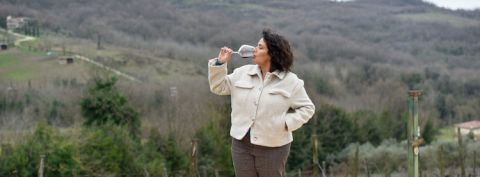
One such female producer I visited was Paola Riccio of Alepa winery, located in the Caiatine hills just beyond the Royal Palace of Caserta, about 30 kilometers north of Naples. Paola radically changed her life 20 years ago when she moved from the city to the countryside, where she began to live in rhythm with nature and was inspired to create wines that told of her story and her roots. Paola does not have a background in agrarian studies or winemaking and everything she now knows she learned by rolling up her sleeves and tapping the experience and generosity of local elders, those vignerons who have vines and wines in their veins. Eventually, as her expertise grew and her vision became clearer so did her intuition and instinct.
Regenerative viticulture, as a defined, unified concept and on a large scale, is still a somewhat new idea in Italy and not yet widespread. At its core regenerative practices are about respect, revitalization, restoration, harmony and balance. To find where these practices are being carried out, we must dig a bit deeper and search for those smaller, artisanal producers who have always worked the land according to these principles. They do not, however, call them regenerative or sustainable or organic. It’s just farming and grape-growing to them.
Paola nurtures this same philosophy, passed down by elders, in her vineyards. She does not see any other way of working and has stood firm in her ideals from the beginning, before buzzwords and trends, even when others deemed her foolish. Paola does not confine herself to a category but rather uses an all-encompassing term that I very much like, “ethical viticulture”. It goes beyond saying herbicides, pesticides, and other such products should not be used in the vineyard. It is a concept rooted in respect for the land, of course, but also one that celebrates the local viticultural traditions and practices as well as the exchange that takes place when farmers and vignerons share their knowledge and expertise.
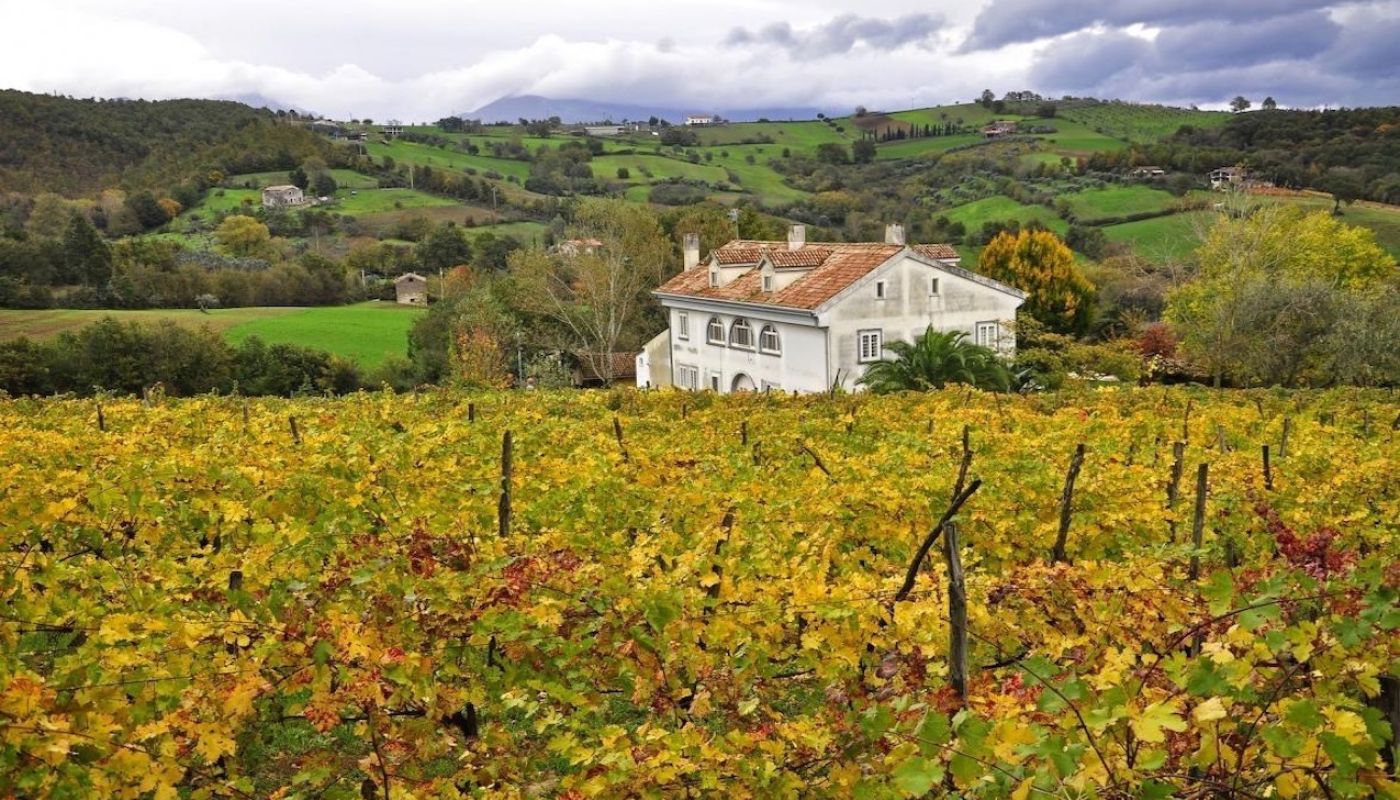
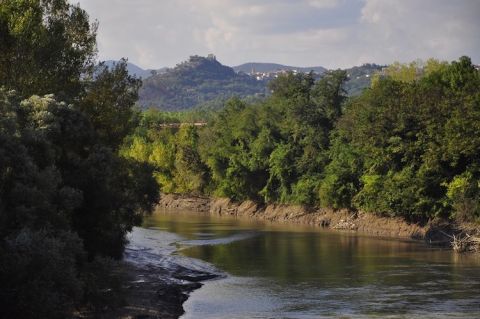
Alepa (pictured above) sits on just a few hectares of land on the outskirts of the village of Caiazzo, where the Volturno River snakes through the Caiatine hills and creates fertile, verdant lands rich in biodiversity. The Matese mountains sit as a backdrop and on a clear day, if one faces south from the hillside, the sea glistens on the horizon. Paola produces about 9,000 bottles per year and works with Falanghina, Greco, and Cabernet Sauvignon but it is the variety, Pallagrello Bianco and Pallagrello Nero, native to this particular area and which risked being forgotten some years ago, that are her pride and joy.
Since she embarked on this path over two decades ago, Paola has been following her intuition, conviction and ideals and this is reflected in the many practices she carries out in her vineyards and wine cellar. Paola uses native yeasts, spontaneous fermentation, and locally produced barrels made of chestnut wood for aging, as tradition dictates. Walking around her estate you can spot geese weaving in and out of the rows of vines. Paola’s interaction with them is amusing but their purpose goes beyond entertainment - they are there to help with the weeding. She composts all plant waste for reuse later on to enrich the soil during the growing season and does not subject her soil to tilling, utilizing cover crops and occasionally mulching with natural green manure at three to four year intervals should it be needed. When Paola took over the family estate, she decided to plant Pallagrello Bianco and Pallagrello Nero, at a time when no one was giving much thought and attention to recuperating native varieties and producing wine from them. It is evident that these practices are not just trends for Paola but the foundation for her work and a way to keep rural winemaking traditions alive.
One practice is particularly emblematic of the work Paolo has set out to do and of her idea of ethical viticulture. Tying vines with willow branches is something of an art and Paola has become the custodian of this rural tradition. This practice requires great preparation as the branches must be pruned at the beginning of the year and then all leaves must be removed by hand. The bare branches are then bundled and kept submerged in water so as to remain malleable until their use months later. It is an ancestral practice that exemplifies not only the the sustainable aspect of viticulture but also the human one. As Paola points out, it reinforces the sense of a rural community as farmers and vignerons exchange favors and assist each other. Neighbors allow Paola, and other winemakers, to prune branches from their willow trees should more be needed. Cold and damp wintery afternoons are softened by the lighter work of removing leaves and bundling branches, giving way to relaxing and light-hearted conversations among workers and those from the surrounding farms who are lending a hand. The willow tree, which grows along ditches, is also renewed through the act of pruning and, as the tree itself is reinforced, the ditches are better able to guide the rainwater and aid in drainage. Of course later, when the vines are pruned and prepared, the actual tying, which takes skill and experience, can take place.
Paola is quick to note that, although this particular practice creates double the work, it is an integral aspect of vineyard management for her and one that she has always believed in. The type of agriculture that Paola practices, be it ethical, as she calls it, or regenerative, is as much about actual, scientific practices as it is about intention and purpose. Sustaining and nurturing are part of it, of course, but if we take it one step further, it really becomes about living in service to nature, honoring her rhythms and becoming finely attuned to that which subtly moves around us.
All photos are reproduced here by kind permission of Alepa.