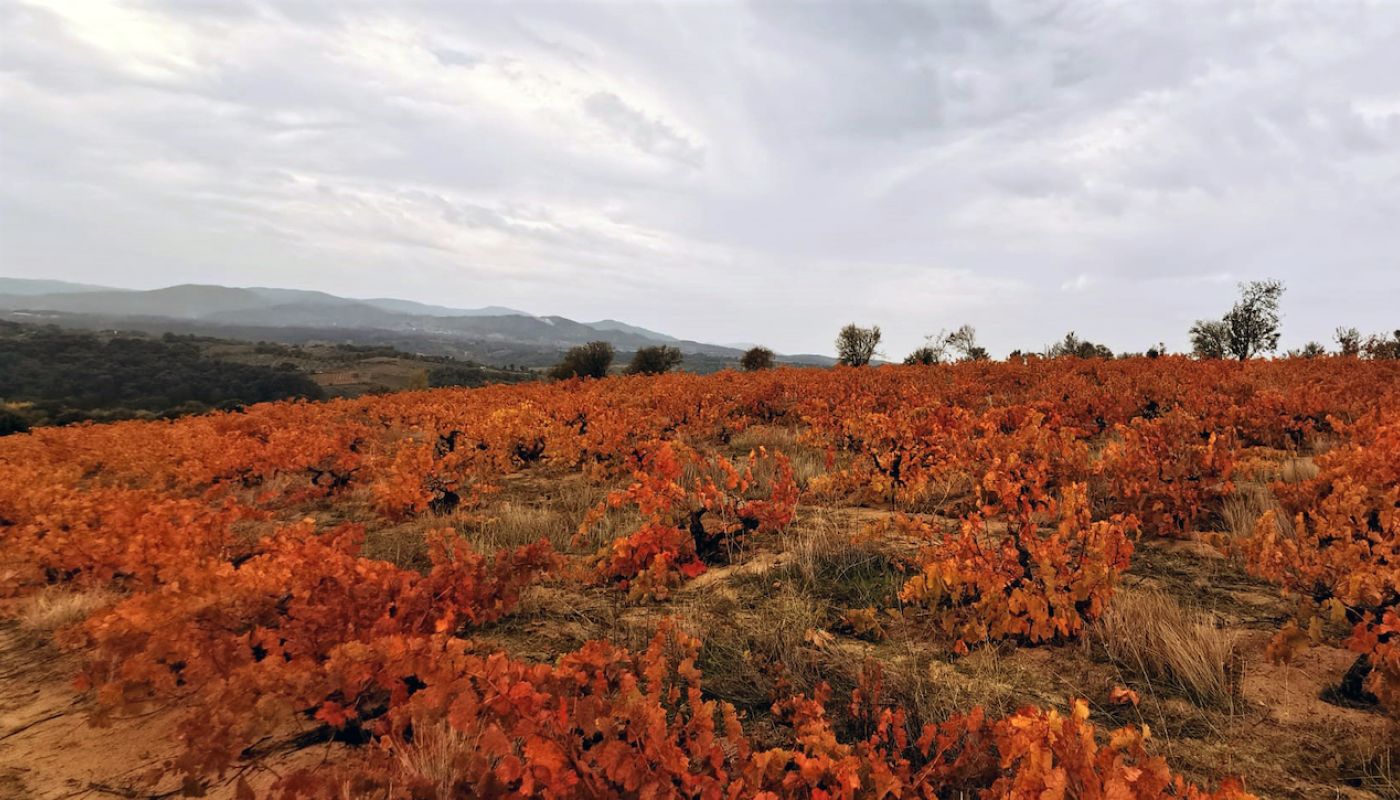
Turkey’s vineyards are in danger. Over the last 30 years, the country has lost as much vineyard area as all the vineyards of Australia, the world’s sixth most important wine producer. This phenomenon is not only dramatic but continuing; the latest OIV data reveal that from 2016 to 2020 alone, the area of vineyards lost in Turkey was equal in size to the entire vineyard area of New Zealand.
This shrinkage is the result of many factors, including a reluctance to commit to wine over other uses of the vine. With less than one million hectolitres (26 million US gallons) of wine produced per year, Turkish bottlings are not always readily available to or known by the average international wine consumer.
It’s not that there’s a lack of fruit. Turkey’s vineyard area is the fifth largest in the world. Even after the forced population exchange of the 1920s, when the non-Muslim communities allowed to produce and sell wine during the Ottoman Empire were moved out, a healthy Turkish economy ensured that most large vineyards were maintained. Sadly, today’s short-sighted agricultural policies mean many growers either turn to table-grape varieties (with most grapes eaten fresh or dried and bound for the production of vinegar or molasses) or uproot their vineyards to grow crops that find buyers at higher prices. The result? Only 3% of Turkey’s harvest is used for winemaking, as opposed to 57% in most wine-growing regions, and 96% in France and Spain.
Turkey’s wine industry has also been hampered by a lack of commitment to its unique indigenous varieties, though this is changing thanks to enthusiasm for them from certain wine commentators and a handful of visionaries pushing innovation. Most of the country’s 185 registered producers have preferred to work with international varieties grown in their own vineyards and a few local varieties to satisfy local demand. Recognising that Turks drink an annual average of less than one litre per capita, however, some producers eager to grow awareness of Turkish wine began presenting examples to international experts around 2009.
The resulting enthusiasm among critics for local varieties was unexpected by many. I remember the shock when Jancis highlighted the south-east Anatolian grape Öküzgözü in her 2009 article Young Turks of note, written after a visit to Turkey. Or a few years later, when a Kalecik Karası wine was selected as a competition finalist by a Master of Wine. At that same competition, an annoyed Turkish producer asked, ‘Why is there so much interest in these local varieties?’ It was clear that Turkey had to focus on its own grape varieties and wine styles if it wanted success in export markets.
Support by established critics isn’t the only reason this investment in local varieties has gained momentum over the last decade. The constant depreciation of the Turkish lira makes it difficult to import cuttings, let alone plant a new vineyard, so more producers are relying on contract vineyards, many of which grow local varieties. (Corks, oak barrels and much winemaking machinery must also be imported but Şişecam produces some excellent bottles and most producers here use Turkish glass.) There is also an increasing interest in indigenous varieties among the expanding Turkish wine community, thanks to the thousands of young people trained by multiple WSET course providers. Even the 2013 law which barred internet sales and any form of promotion of wine, including producer websites, seems to have backfired. The intensive use of social-media platforms for the promotion of wine has created an engaged and open-minded community.
This demand means an increasingly diverse selection of unknown grapes is appearing with every harvest, with new and emerging winemakers leading the charge on experimentation. A good 60 local varieties are used commercially in winemaking today. (When Wine Grapes was published in 2012, it included only 26 of these.) Many of these varieties were previously unknown even to the Tekirdağ Viticulture and Research Institute, with its collection vineyard of more than 1,450 local varieties.
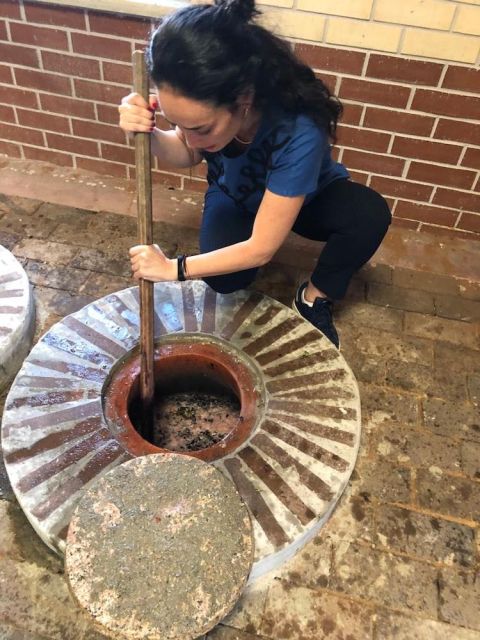
Production has been spurred by vintners such as Mesashuna Wines in Artvin in the eastern Black Sea region and influenced by the varieties and ancient winemaking techniques of neighbouring Georgia. Also on the radar, Kerasus Wine in the eastern Black Sea province of Giresun has been experimenting with Vitis labrusca grapes foraged from the damp Black Sea forests and making natural wines in amphora. When both get their production permits soon, they will join Turkey’s natural-wine pioneer Udo Hirsch, whose fascinating story I told in last year's writing competition.
The innovations continue in Şırnak – the south-east province which has long been known for conflict rather than winemaking – where Midin Wines source their grapes from old vines grown by the Syriac-Assyrian community who live in the village of Midin. Dark-skinned varieties Raşegurnik, Midin Karası, Gavdoni and Kittil Nafs and the pale-skinned Bilbizeki are vinified commercially only by Midin Wines today. (Other local white grapes used by Midin Wines, Mazrona and Karkuş, have long been used by the Shiluh winery of the Christian Syriac community in the neighbouring province of Mardin.) Thanks to this, the villagers can sell their grapes for higher prices than as table grapes, thus keeping the old vineyard areas alive.

Çağlar Bozçağa, a second-generation restaurateur in the Aegean resort town of Bodrum, makes wines from grapes picked from old arborial vines at high-elevation villages. And a family producing 170,000 tons of dried and table grapes annually in the south-east province of Gaziantep, is preparing to make wine from their centenarian Horoz Karası and Hatun Parmağı vines.
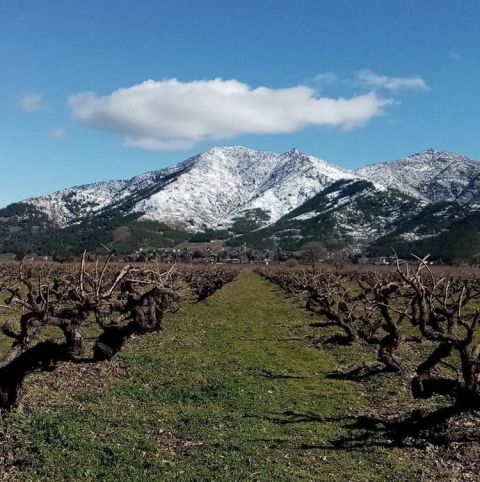
Other forward-thinking producers such as Paşaeli are committing to unconventional approaches. Paşaeli has long worked with the obscure varieties of Thrace, recently fermenting them with ambient yeasts. Likya winery releases a new wine nearly every vintage based on a variety local to the Elmalı plateau near Antalya where the winery is based. Having made a name for bordeaux varieties, Chamlija in Thrace has intensified its efforts on the local Papaskarası grape and launched a new series to revive the long-forgotten cultivars of the Hüyük region in Central Anatolia's Konya province.
Other long-term efforts beyond uncovering ancient vineyards and local varieties are also now evident in Turkey. Sabiha Apaydın, the wine director of the famous Mikla restaurant in Istanbul, is organising the Root Origin Soil conference this year, for the second time. This connects global academics, writers, producers and consumers united in their aim to raise awareness of Anatolia’s rich heritage of vine varieties and winemaking, and to pass the knowledge on to future generations.
Last year, as a small group of such people, including me, established the Heritage Vines of Turkey initiative in order to preserve and sustain old vineyards, whose numbers have been significantly reduced as a result of the changing demographic structure of Anatolia but also due to the belief that yields decrease as they age. The group aims to draw attention to these vineyards in order to ensure that the grapes obtained from them find the economic value they deserve. This includes requesting an appointment with the Tobacco and Alcohol Department to discuss including a distinguishing seal on old-vine wine labels. More than nine months have passed since the request and, despite regular reminders, there has not yet been a positive official response.
This institution, now part of the Ministry of Agriculture, seems more concerned with collecting the maximum amount of tax than with regulating the extensive Turkish vineyards and wine production. Turkish wine circles are accustomed to this attitude and have been moved to take direct action. That’s why, in 2019, we established Yaban Kolektif, Yaban meaning ‘the wild one’, with Levon Bağış, a wine educator and deep-rooted advocate of Turkey’s wine heritage.
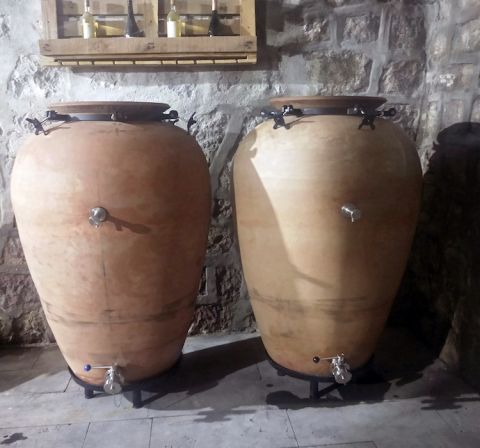
Yaban Kolektif is a nomadic collective that produces small quantities of wine in different wineries each harvest. Its priority is to reveal the true potential of endangered varieties to the international trade and consumer, and turn them into a viable commercial product for Turkey. Since the collective’s first harvest in 2019, wines are produced by a rotating roster of participating wineries, representing varied varieties (six so far) and styles to best represent the breadth of Turkish wine and obtain maximum possible feedback with each harvest.
The group also distributes grapes they purchase for their programmes to selected home winemakers, eager for feedback from multiple mindsets and sources. The result in just three years has been encouraging, with the collective’s wines setting trends for other producers and, in the case of the Sungurlu white wine variety, new plantings saving the wine from extinction after a century of shrinkage.
Despite the continued obstacles, Turkey is poised for a bright future thanks to its diversity of vine varieties, a changing and more adventurous international palate, and the young Turks pushing change in its winemaking community.
















