Abbie Bennington writes Abbie Bennington is a wine educator, journalist, and judge with over 15 years of industry experience following a career as a senior producer at BBC News at Ten. She holds the WSET Diploma and is Chair of the respected wine education body: The Association of Wine Educators. A certified WSET Educator, she also serves as an Accredited Tutor for Bordeaux and Rioja and is an Advanced Cava Specialist. Abbie runs her own wine tasting business, ABVTastings, and regularly contributes to leading wine industry publications including: Decanter, The Buyer, Harpers, and The Drinks Business, reporting from wine regions around the world.
The ‘Zin’ crowd
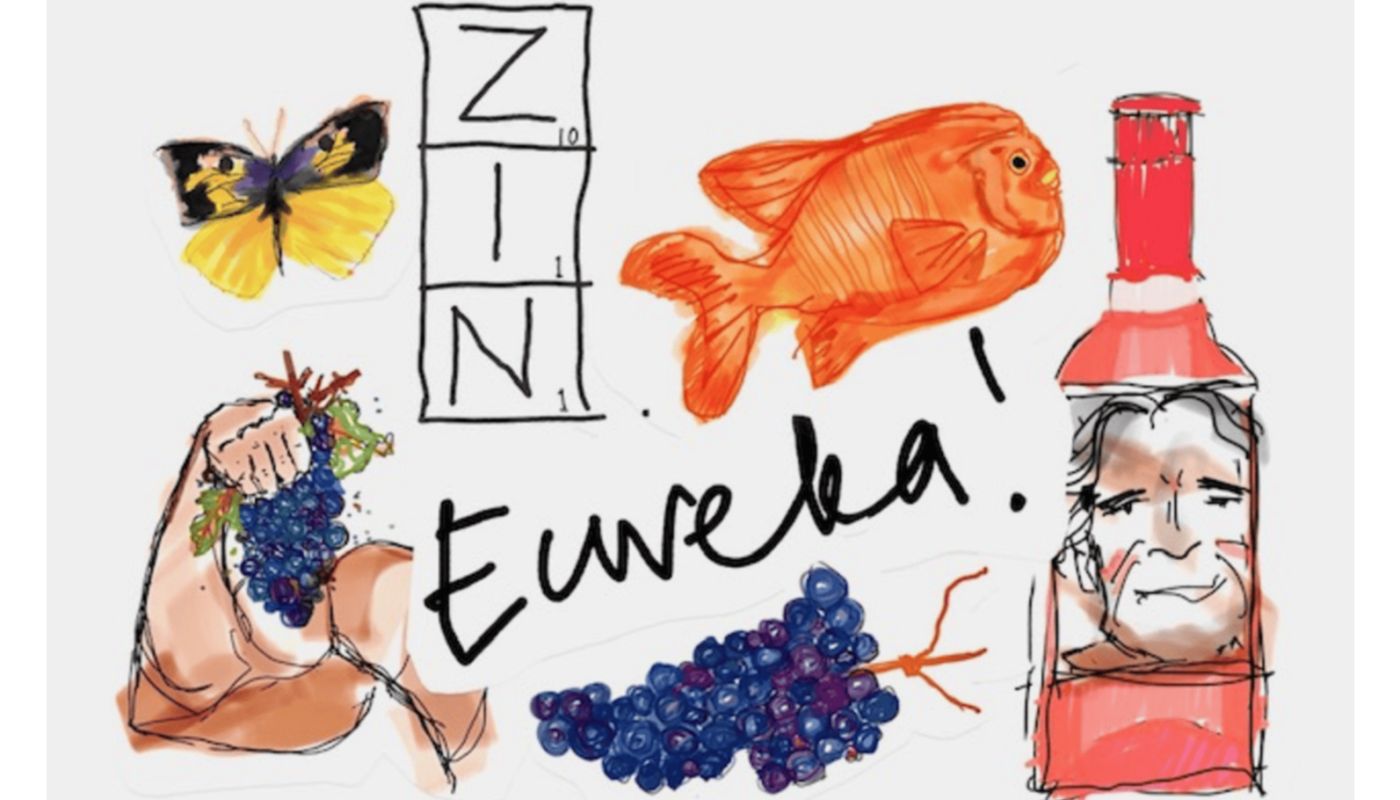
Zinfandel scores 22 points in Scrabble—bested by the mighty Gewürztraminer at 29 but remains one of the highest scorers by varietal name alone. In numerology, 22 symbolises balance and harmony, music to any winemaker’s ears. But beyond maths and mysticism, Zinfandel is a capricious red: an uneven ripener, a fermentation flirt, and a grape with a well-documented love/hate relationship with yeast.
So, what’s ‘zin’ it for those who grow, make, and persist with this maddening, magnificent variety? And why, despite all odds, does it deserve an ode?
There are, at last count, 146 recorded lyrics that namecheck Zinfandel—most unfit for print before the watershed. My own reverence began with less fanfare. While working in BBC News, a bottle of unapologetically weighty red crossed my untrained palate, Howell Mountain Vineyards “Old Vine” Zinfandel. A wine that changed my world, cherry cola, spices and intense red and black fruit lingered on the palate like a stolen kiss. Tasting this wine marked my first step beyond the BBC News at Ten desk and my second into the world of wine. Until then, Zinfandel had existed only as a saccharine, pink blush on the periphery of supermarket shelves, the drink of wine newcomers and a style shunned by the self-proclaimed sophisticated.
To ignore white Zinfandel is to sidestep the pink elephant in the room. Much maligned, misleadingly named, yet undeniably impactful, this wine style schooled a nation of drinkers Stateside and beyond. An unintentional creation, born of a stuck fermentation at Sutter Home in 1970s California, it became the gateway for millions of Americans into the world of wine. Today the category is in serious decline as palates change but as a style, it celebrates its fiftieth birthday this year; a milestone worthy of recognition. Mock it if you will but dismiss it at your peril.
Zinfandel is nothing if not a chameleon in California. In the fog-kissed Russian River Valley, it leans toward bright raspberry and black pepper. In the sun-blasted Sierra Foothills, it swells with ripe blackberries and the all-American term ‘baking spice’. Lodi, where century-old vines cling to sandy soils, produces plush, concentrated wines with old vine mystique. Few grapes wear terroir so transparently or as wildly as Zinfandel (Pinot Noir being one exception), cue the audible gasps!
Zinfandel has long drawn celebrity fascination. In 2006, Arnold Schwarzenegger made headlines as Governor of California by vetoing bill ‘SB1253’, which would have declared Zinfandel the official historic grape of the state. In a would-be Eureka! moment (fittingly, the California state motto), Zinfandel might have stood alongside the likes of the California Dogface Butterfly (statute of 1972) or the Garibaldi marine fish (statute of 1995—not to be confused with the English biscuit or the Italian General). Alas, the Family Winemakers of California objected to singling out one variety among many; citing potential favouritism over state grown varieties such as Cabernet Sauvignon or Chardonnay, the most planted varietals in California. As a result, it was ‘hasta la vista, baby’ for Zinfandel's legislative glory.
Yet Zinfandel needs no statute to prove its historical mettle. It oozes old–new world charm. From gold rush plantings in the 1850s to the sandy soils of Lodi that let it dodge phylloxera’s wrath, Zinfandel is arguably California’s most culturally rooted variety. Some vines, now over a century old, have earned a vital place in California’s viticultural heritage. This, a rarity in a country, that arguably continues to evolve in part its wine identity. These old vines, gnarly and defiant, yield fruit with haunting concentration, proving that depth can indeed come with age.
Historically, Zinfandel rarely grew alone. In California’s early vineyards, it was the anchor of chaotic field blends—surrounded by Carignan, Petite Sirah, and other mixed red varietals. Today, winemakers like Ridge, Bedrock, and Turley embrace this heritage, reviving vineyard voices that echo the past through co-fermentation and low-intervention winemaking. Zinfandel, once dismissed as rustic, is now a storyteller of California's vinous history.
Though long believed to be a native of Southern Italy (as Primitivo), DNA sleuthing in the late 1990s traced Zinfandel’s true lineage to the Croatian grape Crljenak Kaštelanski. Once a mystery, Zinfandel—genetically identical to the ancient Croatian grape Tribidrag—is now recognised by some as one of the oldest historically documented grape varieties still in commercial production.
Winemakers call it Zin, Zinni, or the Zinster (maybe the last was more poetic licence on my part)—a grape with personality to match its nicknames. It’s notorious for uneven ripening, which can result in clusters containing underripe berries alongside near raisins. Fermentations can stall. Acids fluctuate. Alcohol levels soar. Left unchecked, it rockets past 16% alcohol and risks the negative connotation in some wine camps of ‘jamminess’. Winemakers often employ every trick in their arsenal to goad the best from each harvest and yet each vintage brings its own surprises—Zin never sits still.
In short, Zinfandel is chaos in a vineyard row—and yet, it continues to inspire loyalty, creativity, and even obsession amongst its followers.
So, here’s to Zinfandel: the wildcard, the misfit, the grape that refuses to be boxed in. High-scoring in Scrabble, heavy-lifting in history, and ever teetering between elegance and excess. It may never have earned its state title, but in the hearts of its champions—and in the hands of those who dare to work with it—Zinfandel reigns.
Image credit: Helen Ellery.